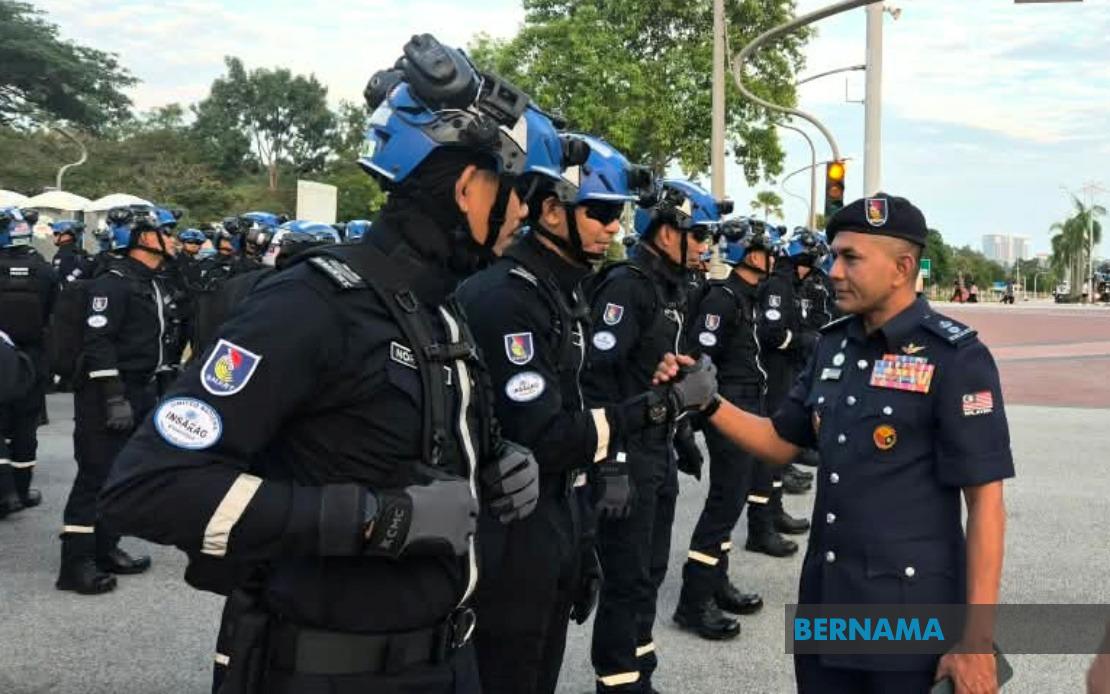
The Special Malaysia Disaster Assistance and Rescue Team (SMART) has positioned itself for immediate deployment to Nepal following the devastating floods that struck the South Asian nation, but the mission remains contingent on receiving the green light from Nepalese authorities. Senior Fire and Rescue Officer 1 Abdul Manaf Che Isa confirmed during the National Day 2026 celebrations at Dataran Putrajaya on August 31 that the team is operationally ready to commence rescue and recovery efforts, though coordination between multiple Malaysian government agencies is still being finalized.
The disaster unfolded on August 26 when massive flash floods and landslides tore through Nepal's Rasuwa District with little warning, triggering a regional humanitarian crisis that extended beyond Nepal's borders into China's adjacent Tibet region. The death toll has climbed to 804 people across both regions, with nearly 3,300 individuals still unaccounted for, according to reports from the Anadolu Agency. The scale of the catastrophe underscores the urgent need for international assistance and explains Malaysia's proactive mobilization of its specialized response capabilities.
Prime Minister Datuk Seri Anwar Ibrahim announced Malaysia's commitment to the relief effort, declaring that the MADANI Government had determined to dispatch the SMART contingent to support ongoing search and recovery operations. This represents a significant commitment of resources and expertise, reflecting Malaysia's tradition of responding swiftly to humanitarian crises within the Asian region. The decision came amid growing international concern about the scale of the disaster and the capacity of local authorities to manage the operation independently.
Beyond the rescue mission itself, Malaysia has articulated a dual-track approach to the crisis. The SMART team has been explicitly tasked with locating Malaysians whose status remains unknown following the flooding and ensuring their safe return home. Additionally, the team will coordinate with the Malaysian Embassy in Nepal to oversee distribution of humanitarian assistance and provide welfare support to affected Malaysian nationals. This comprehensive approach reflects recognition that disaster relief extends far beyond immediate rescue operations into the realm of consular protection and community support.
Financial assistance forms another pillar of Malaysia's response framework. Anwar indicated that the government would contribute USD1 million toward Nepal's relief and reconstruction efforts, providing crucial support for humanitarian organizations, shelter provision, medical care, and longer-term recovery initiatives. This monetary commitment complements the deployment of specialized personnel and demonstrates Malaysia's willingness to share the burden of recovery with the Nepalese government and international partners.
The coordination challenge facing Malaysian officials is considerable. Deployment of the SMART team requires alignment across multiple institutional actors, including the Foreign Ministry (KLN), the National Security Council (MKN), and the National Disaster Management Agency (NADMA). Each organization brings distinct responsibilities to the response framework—diplomatic clearance, security assessment, and operational coordination respectively. Abdul Manaf emphasized that these consultations were underway in parallel with preparations for field deployment.
At the time of the Wisma Putra statement on August 29, Malaysian authorities had identified 36 citizens reported uncontactable in China and 55 in Nepal following the disaster. These figures represented individuals whose whereabouts remained unknown and whose welfare could not be confirmed through standard communications channels. The search for these individuals has become a priority humanitarian concern for Malaysia's diplomatic mission and adds personal urgency to the broader rescue operation.
The 112-person SMART contingent assembled for the National Day parade, led by Captain Plaveanus Bernard, represents Malaysia's elite disaster response capacity. These personnel receive specialized training in challenging rescue environments, including collapsed-structure recovery, water rescue, and medical stabilization. Their presence at the Putrajaya ceremony served as both a public demonstration of national preparedness and a symbolic reaffirmation of Malaysia's commitment to regional cooperation during crises.
Nepal's receptiveness to external assistance remains critical to mission success. The Nepalese government must evaluate its operational capacity, coordinate with international partners arriving on its territory, and designate specific geographic areas where external teams can most productively contribute. This decision-making process, while understandable from a sovereign perspective, introduces temporal uncertainty into Malaysia's deployment timeline. Every day of delay potentially reduces the window for locating survivors in the immediate aftermath of the disaster.
From a Southeast Asian perspective, Malaysia's readiness to activate SMART represents the regional mechanism for mutual disaster assistance that underpins ASEAN solidarity frameworks. While Nepal stands outside ASEAN, the principle of rapid humanitarian response to catastrophic natural disasters reflects shared understanding that such events transcend national borders and demand coordinated international action. Malaysia's positioning as an experienced responder with demonstrated capabilities has elevated its profile as a reliable partner in regional emergencies.
The flooding's impact extends beyond the immediate death toll and missing persons statistics. Infrastructure damage, disease risks in flooded areas, psychological trauma among survivors, and displacement of populations constitute secondary humanitarian challenges requiring sustained attention. Malaysia's contribution to post-disaster recovery, signified through both personnel deployment and financial support, acknowledges these longer-term dimensions of the crisis rather than limiting engagement to immediate rescue operations.
For Malaysian readers, this deployment carries particular resonance given the nation's vulnerability to annual monsoon flooding and landslides. The expertise being mobilized to assist Nepal directly mirrors capabilities that would be activated during domestic disasters. The team's deployment represents a tangible expression of the mutual aid principle that undergirds international disaster management, where nations sharing similar geographic vulnerabilities and climatic exposures stand ready to support one another during crises.
As Malaysia awaits confirmation from Nepal's government, the SMART team remains positioned at an advanced state of readiness. Equipment has been inspected, personnel briefed, and coordination mechanisms activated. The timing of deployment will ultimately hinge on diplomatic approval, yet the unmistakable message is that Malaysia stands prepared to contribute meaningfully to Nepal's humanitarian response and to assist fellow Malaysians caught in one of the region's deadliest recent natural disasters.

