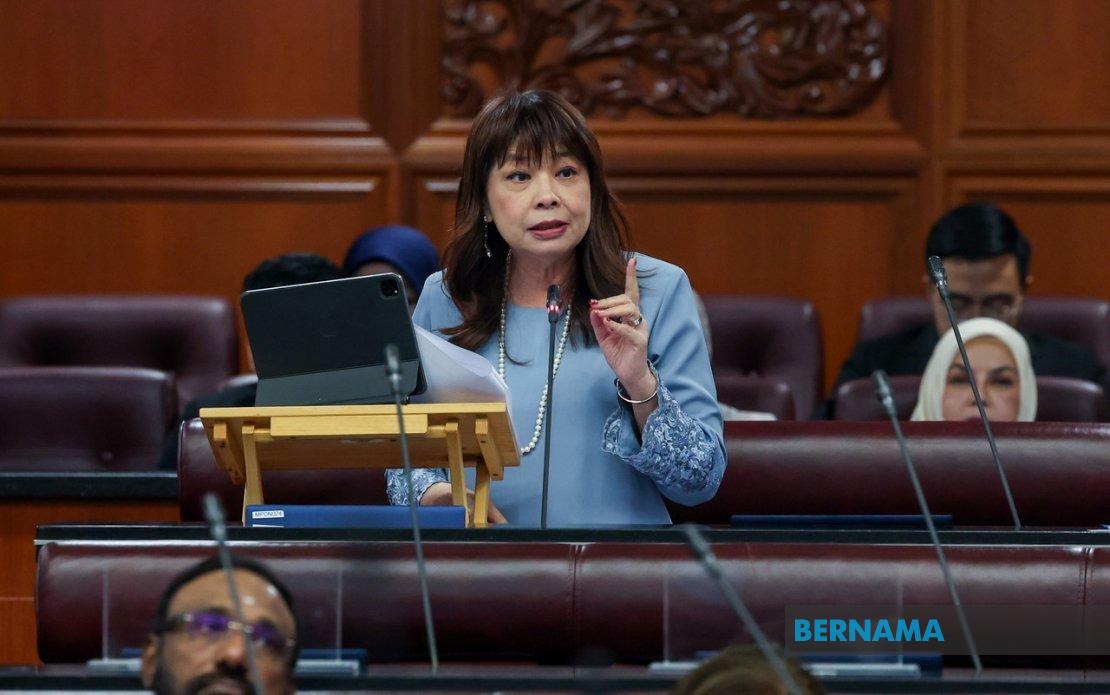
Malaysia's Talian Kasih 15999 hotline has fielded 9,327 calls concerning domestic violence over the past three years, according to Deputy Minister of Women, Family and Community Development Lim Hui Ying during parliamentary questioning on June 30. The figure represents a significant portion of the 127,000 total calls the service has received for various social and welfare issues during the same timeframe, underscoring the scale of support needs across Malaysian communities.
The resolution rate for domestic violence complaints has been consistently strong, with Lim reporting that all cases logged from 2022 through May 2025 have been fully addressed. During the first five months of this year alone, the hotline fielded 470 calls, with 406 cases already resolved and the remaining 64 actively being processed. This demonstrates the ministry's operational capacity to handle incoming complaints and take decisive action within reasonable timeframes, a critical factor in protecting vulnerable individuals from ongoing harm.
When asked by Datuk Muslimin Yahaya from Perikatan Nasional's Sungai Besar constituency about the effectiveness of Talian Kasih and its intervention outcomes, Lim outlined the multi-layered protective measures her ministry deploys. Beyond initial counseling and support, the service facilitates access to legal remedies including Emergency Protection Orders and Interim Protection Orders, while also arranging placement in secure shelters for those facing immediate danger. These coordinated responses signal an integrated approach to victim safety rather than reliance on a single intervention method.
The parliamentary response reveals a notable shift in the demographics of domestic violence cases seeking help through official channels. While women have traditionally represented the overwhelming majority of domestic violence survivors, Lim emphasized that the ministry is now witnessing an increasing trend of men coming forward as victims of domestic abuse. Though male victims remain numerically smaller than female victims, the upward trajectory indicates evolving social attitudes around masculinity, vulnerability, and willingness to report abuse that was previously unreported or underreported.
This emerging visibility of male victims has important implications for policy and resource allocation. Many Southeast Asian countries, including Malaysia, have historically framed domestic violence through a gendered lens focused primarily on female victims. The recognition that domestic violence transcends gender boundaries requires services to adapt their approaches, messaging, and support infrastructure to serve all affected populations without judgment or bias. Lim's assertion that the ministry protects citizens "of all races and genders without prejudice" signals an institutional commitment to inclusive service delivery, though implementation across diverse communities will require sustained effort and cultural sensitivity.
The growth in help-seeking behavior itself warrants examination. The 9,327 calls over three years may reflect genuine increases in domestic violence incidence, or alternatively, heightened awareness of available support services and reduced stigma around reporting. Public campaigns promoting Talian Kasih, media coverage of domestic violence issues, and peer networks sharing information about the hotline all contribute to call volumes. Distinguishing between these factors is crucial for policymakers to allocate prevention resources effectively and understand whether interventions are reducing abuse or simply increasing detection of existing problems.
The caseload data also highlights the ongoing demand for Malaysia's domestic violence infrastructure. With nearly 3,200 calls annually averaging across the three-year period, the hotline represents a frontline resource for individuals in crisis situations. The relatively high resolution rate suggests adequate follow-up mechanisms, though the remaining 64 unresolved cases from early 2025 indicate that some situations require extended engagement or involve complex circumstances requiring specialized intervention or legal proceedings.
For Malaysian readers concerned about family safety and protection, understanding the availability and scope of Talian Kasih remains important. The service operates as an accessible entry point for anyone experiencing or witnessing domestic violence, regardless of gender or background. The range of outcomes available through the hotline—from immediate shelter placement to legal orders to longer-term support—provides multiple pathways for individuals at different stages of crisis or decision-making about their situations.
The parliamentary exchange also underscores how domestic violence statistics inform broader policy discussions about social welfare priorities. The 127,000 total calls to Talian Kasih across all categories of complaint illustrates the volume of social distress in Malaysian society and the role government hotlines play in providing immediate response. Budget allocation, staffing levels, and training standards for such services directly affect response quality and victim outcomes, making the ministry's operational capacity a public accountability issue.
Looking forward, the emerging recognition of male victims opens conversations about comprehensive domestic violence prevention that moves beyond traditional gender frameworks. Prevention efforts might address root causes such as conflict resolution skills, stress management, and cultural norms around power dynamics in intimate relationships. Evidence-based interventions in schools, workplaces, and community settings can potentially reduce incidence rates across all demographics, ultimately reducing the volume of crisis calls and enabling resources to focus on support rather than just crisis response.
The Malaysian experience with Talian Kasih contributes to broader Southeast Asian dialogue about domestic violence services and victim protection. As regional countries increasingly recognize domestic violence as a public health and human rights issue, the Malaysian model of integrated hotline services, legal protections, and shelter facilities provides useful reference points. Sharing data and best practices across the region can strengthen collective capacity to support vulnerable populations and reduce the toll of family violence on individuals and communities.

