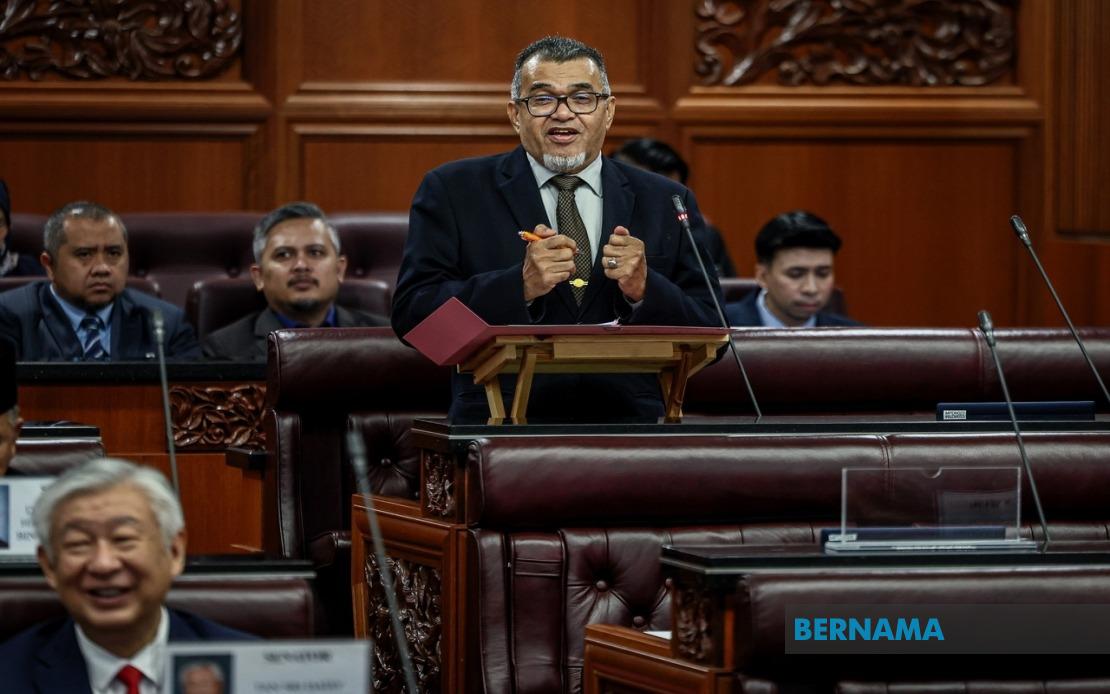
The rapid expansion of drone operations across Malaysia has reached a significant milestone, with the Civil Aviation Authority of Malaysia (CAAM) recording 250,000 registered unmanned aircraft across the nation. These devices serve diverse purposes, from personal recreational use to commercial applications in agriculture and surveying, reflecting how quickly aviation technology has penetrated Malaysian society. Speaking in the Dewan Negara on July 29, Deputy Transport Minister Datuk Hasbi Habibollah highlighted this growth trajectory as evidence of the sector's momentum and the urgent need for coherent governance structures to manage its development responsibly.
The sheer volume of drone registrations underscores a fundamental challenge facing Malaysian policymakers: balancing innovation and economic opportunity against legitimate safety and security concerns. A fragmented regulatory approach would create friction for operators and leave critical gaps in oversight. Rather than implementing reactive controls after incidents occur, the government recognises that a proactive, comprehensive framework is essential. This philosophy extends beyond simple registration requirements, acknowledging that an integrated Low Altitude Economy—operating aircraft at altitudes below traditional aviation corridors—involves complex interactions between technology, infrastructure, and multiple government agencies with overlapping jurisdictions.
To address this complexity, the government is currently constructing the Low Altitude Economy regulatory framework through a structured timeline. Public consultation is scheduled to commence in August, providing stakeholders—including drone manufacturers, operators, environmental groups, and security agencies—with an opportunity to submit feedback and shape the emerging rules. Following this input phase, ministerial approval is targeted for September, allowing final refinements before the framework's official launch by December. This compressed schedule reflects both the urgency of establishing clear rules and political commitment to supporting this emerging sector.
Datuk Hasbi emphasised that the regulatory architecture will necessarily involve multiple agencies beyond CAAM, each bringing essential expertise. Safety and security considerations cannot rest with aviation authorities alone. Law enforcement agencies must address concerns about drone usage near critical infrastructure or in sensitive airspace. Environmental and telecommunications regulators need involvement in frequency management and spectrum allocation. Local authorities require input on where operations should be permitted within populated areas. This multifaceted coordination explains why creating a potential dedicated control centre—a question raised by Senator Datuk Wu Him Ven regarding the ministry's planning—remains under evaluation as part of the broader framework assessment.
A crucial distinction in Malaysia's regulatory approach involves dividing responsibilities among agencies according to their expertise. The Malaysian Communications and Multimedia Commission (MCMC) holds authority over drone frequency allocations, ensuring that unmanned aircraft do not interfere with critical communications networks or create spectrum conflicts. The Standards and Industrial Research Institute of Malaysia (SIRIM) handles technical standards and compliance certification matters. Meanwhile, CAAM's role focuses on operational registration and validation—recording pilot information, intended locations, altitude parameters, and the specific purpose of each flight. This division prevents duplication while ensuring comprehensive coverage of all relevant dimensions.
To support and accelerate the framework's development, the government has strategically established multiple regulatory sandbox sites across Malaysia where companies can test innovations and operational concepts within controlled environments. MRANTI Park in Kuala Lumpur serves as a central testing ground, while Iskandar Malaysia in Johor provides a secondary location for regional development. Academic partnerships through Universiti Selangor and Universiti Malaysia Perlis integrate research and development with practical implementation, fostering knowledge transfer between industry and institutions. These sandbox environments function as real-world laboratories, generating empirical evidence about what works operationally and what requires refinement before national rollout.
Beyond the immediate drone registration and Low Altitude Economy framework, the government is pursuing a parallel initiative focused on Advanced Air Mobility—a broader category encompassing larger, more sophisticated unmanned systems and eventually crewed electric vertical takeoff aircraft. The concept of operations for AAM is scheduled for unveiling in October, strategically timed with the Transport Expo Asia (TXA) 2026. This international exhibition provides Malaysia with an opportunity to showcase regulatory maturity and technological ambition on a regional stage, potentially positioning the country as a leader in Southeast Asian aviation innovation. The timing also allows the government to demonstrate tangible progress on multiple fronts simultaneously, building confidence among investors and technology companies considering Malaysia as a hub for advanced aviation development.
For Malaysian businesses and entrepreneurs, these regulatory developments carry significant implications. The clear timeline and structured consultation process reduce uncertainty that might otherwise deter investment in drone-related ventures. Agricultural operators—who represent a substantial portion of the current 250,000 registered drones—gain clarity on permitted applications and operational parameters. Logistics companies exploring drone delivery concepts can plan investments with greater confidence. International technology firms eyeing the Southeast Asian market may view Malaysia as an attractive entry point given transparent, professional regulatory development. The sandbox sites and standards bodies provide concrete infrastructure for market entry and product validation.
Regionally, Malaysia's approach to Low Altitude Economy governance may influence how neighbouring countries structure their own frameworks. Singapore's highly regulated airspace and stringent drone policies represent one model; Indonesia's vast geography and challenging communications infrastructure present different scenarios. Thailand and the Philippines grapple with similar questions about balancing innovation with security. By developing a framework that is simultaneously clear, comprehensive, and flexible enough to accommodate future technological changes, Malaysia could establish a template for other Southeast Asian nations. ASEAN-wide harmonisation of drone regulations would ultimately benefit all member states through reduced compliance costs for multinational operators and improved cross-border commercial possibilities.
The practical mechanics of Malaysia's registration system reveal a well-considered approach to information management. Operators must supply detailed operational parameters—the specific locations where drones will be deployed, the person responsible for each flight, altitude restrictions, and the business or personal purpose driving the operation. This granular data collection enables CAAM and partner agencies to identify patterns, assess emerging risks, and respond to problematic activities through informed targeting rather than blunt prohibitions. Over time, this database becomes invaluable for policy refinement and evidence-based regulation. It also creates an audit trail that enhances accountability and discourages misuse of drone technology for smuggling, surveillance, or other illicit purposes.
Looking forward, the convergence of rapid drone uptake, structured regulatory development, and serious commitment to advanced air mobility represents a critical juncture for Malaysian aviation policy. The next six months—from August consultation through December framework launch—will shape the industry's trajectory for years ahead. Success requires balancing competing interests: innovation advocates seeking minimal restrictions, security agencies demanding robust oversight, environmental groups concerned about noise and safety, and operators wanting predictability. The government's decision to establish multiple regulatory sandboxes and involve diverse agencies reflects understanding that this balance cannot be struck through top-down decree alone. As Malaysia moves toward framework implementation, international observers will watch whether this coordinated approach produces outcomes that simultaneously enable economic growth and maintain public safety and security.

