Malaysia's education system is grappling with mounting safety and welfare challenges that demand systematic intervention across the nation's entire school network. The Ministry of Education announced a sweeping Student Protection Policy designed to establish standardised safety protocols and safeguarding mechanisms in all 10,258 schools, signalling growing concern about the complexity of modern educational environments and the multifaceted threats students now encounter.
According to Education Director-General Datuk Mohd Azam Ahmad, the scale of incidents affecting students has become alarming. The ministry processes daily reports documenting student injuries, with some days recording more than 10 fatalities or serious incidents requiring emergency response. This grim reality contrasts sharply with the serene exterior many schools present to parents and the general public—what appears as a tranquil institution conceals an underlying current of crisis requiring immediate structural response. The disconnect between public perception and operational reality has prompted the ministry to move beyond ad-hoc interventions toward institutionalised protection frameworks.
The new policy, formalised through a July 1 circular known as Surat Pekeliling Ikhtisas (SPI), represents a significant administrative shift in how Malaysian schools address student welfare. One critical requirement mandates that all school personnel and external parties engaging with school communities sign a Letter of Compliance acknowledging the Student Protection Policy. This contractual commitment aims to embed safeguarding responsibilities into institutional culture and individual accountability, moving student protection beyond voluntary good practice toward enforceable obligation.
Education officials recognise that 21st-century schools operate in fundamentally different contexts than their predecessors. Students today navigate a digital landscape that exposes them to external influences, peer pressures, and predatory behaviours at substantially younger ages than previous generations experienced. The acceleration of adolescent challenges—from cyberbullying to substance exposure to sexual coercion—has created conditions where traditional pastoral care systems prove inadequate. Teachers, once primarily tasked with subject delivery, now function as frontline responders to mental health crises, emotional distress, and safeguarding emergencies.
Recognising this expanded educator role, the policy explicitly acknowledges that teaching has transcended academic knowledge transfer. Educators now bear responsibility for character development, emotional support, and psychological wellbeing guidance—functions requiring training, resources, and clear protocols that many schools currently lack. By establishing the Student Protection Policy with defined guidelines, the ministry seeks to professionalise these expanded responsibilities and provide educators with frameworks enabling them to address contemporary challenges without operating in procedural ambiguity.
The policy's scope extends across multiple interconnected domains reflecting the holistic nature of modern student welfare. Mental health support frameworks represent a cornerstone, addressing the rising prevalence of anxiety, depression, and psychological distress among Malaysian youth. Reproductive and social health education components acknowledge that students require accurate information and supportive guidance regarding physical development and healthy relationships. Prevention initiatives targeting child sexual violence and substance abuse reflect specific vulnerabilities the ministry has identified as requiring proactive intervention rather than reactive crisis management.
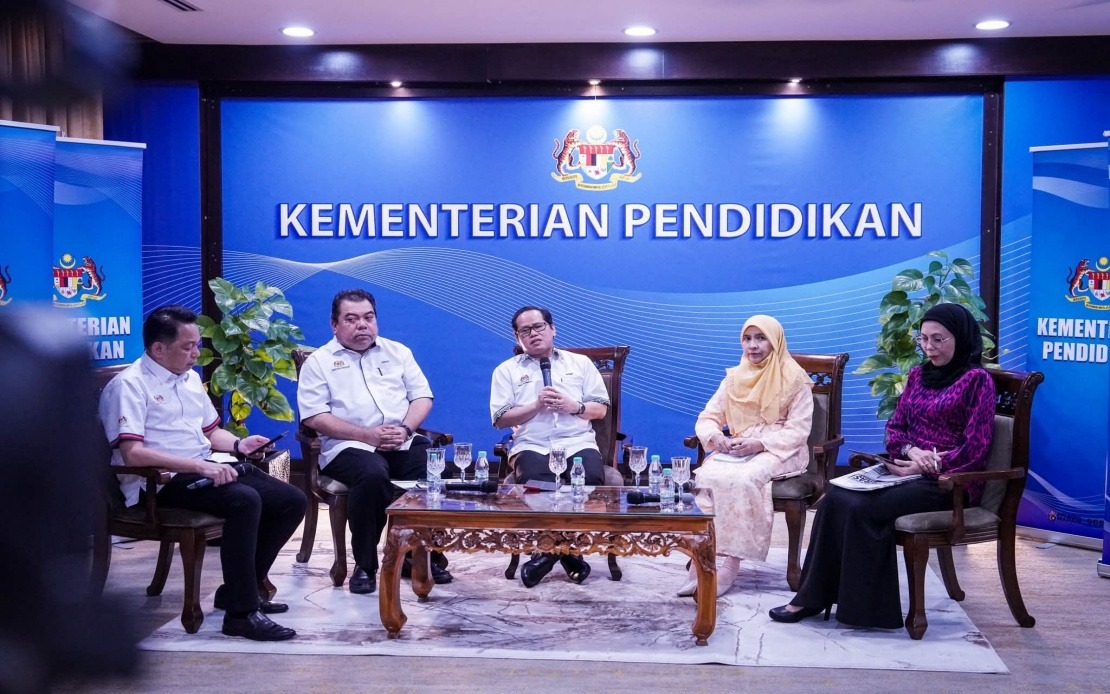
The dialogue session featuring Children's Commissioner of the Human Rights Commission of Malaysia Dr Farah Nini Dusuki alongside key MOE division directors signals the policy's multidisciplinary foundation. Incorporating human rights expertise ensures the protection framework balances institutional interests with individual rights and dignity. This inclusive approach acknowledges that student protection remains meaningless if implemented through authoritarian or surveillance mechanisms that themselves compromise wellbeing and autonomy.
Teacher welfare emerges as an integral policy component, reflecting understanding that educator burnout and stress undermine institutional capacity to protect students effectively. When teachers operate under unsustainable pressure without adequate support systems, their emotional and psychological resources become depleted, diminishing their capacity for patience, attentiveness, and responsive care. By prioritising teacher welfare alongside student protection, the ministry recognises interdependency: student safety depends partly on educator wellbeing.
The policy's inclusion of student voice mechanisms represents a progressive element often absent from traditional safety initiatives. Empowering students to articulate concerns, report incidents, and participate in safety planning transforms them from passive recipients of protection into active stakeholders in their own wellbeing. This approach acknowledges that students possess valuable insight into actual school experiences and emerging threats that adults might overlook, and that inclusive decision-making enhances both the legitimacy and effectiveness of protective measures.
For Malaysian schools and families, this policy represents both opportunity and challenge. Opportunity emerges from institutional commitment to systematic safety and standardised protocols ensuring consistent protection regardless of school location or resources. The challenge lies in implementation—translating policy frameworks into lived practice requires sustained funding, comprehensive staff training, cultural shifts toward transparency rather than concealment, and genuine institutional will to prioritise student welfare above reputation management or liability avoidance.
The policy's emphasis on protocols and guidelines addresses a critical gap in Malaysia's educational landscape. Without clear procedures, schools respond to crises inconsistently, with outcomes depending on individual administrator judgment rather than evidence-based best practices. Standardised protocols enable faster, more appropriate responses while reducing the discretionary decision-making that sometimes prioritises institutional protection over student interests. For a system managing over 10,258 institutions, such standardisation represents essential infrastructure.
Regional context matters considerably. Throughout Southeast Asia, educational institutions struggle with safeguarding challenges intensified by digital connectivity, socioeconomic pressures, and sometimes insufficient regulatory oversight. Malaysia's comprehensive policy approach potentially influences regional education systems grappling with similar challenges. Should the policy successfully reduce incident rates and improve student outcomes, neighbouring countries may adopt comparable frameworks, catalysing broader systemic improvements across the region.
Ultimately, the Student Protection Policy reflects institutional acknowledgment that Malaysian schools can no longer function as isolated academic environments disconnected from students' holistic development and contemporary safety threats. By establishing comprehensive, standardised, multidisciplinary frameworks encompassing mental health, relationship education, violence prevention, substance abuse awareness, and stakeholder accountability, the education ministry signals serious commitment to transforming school safety from aspiration into systematic practice across Malaysia's vast educational landscape.

