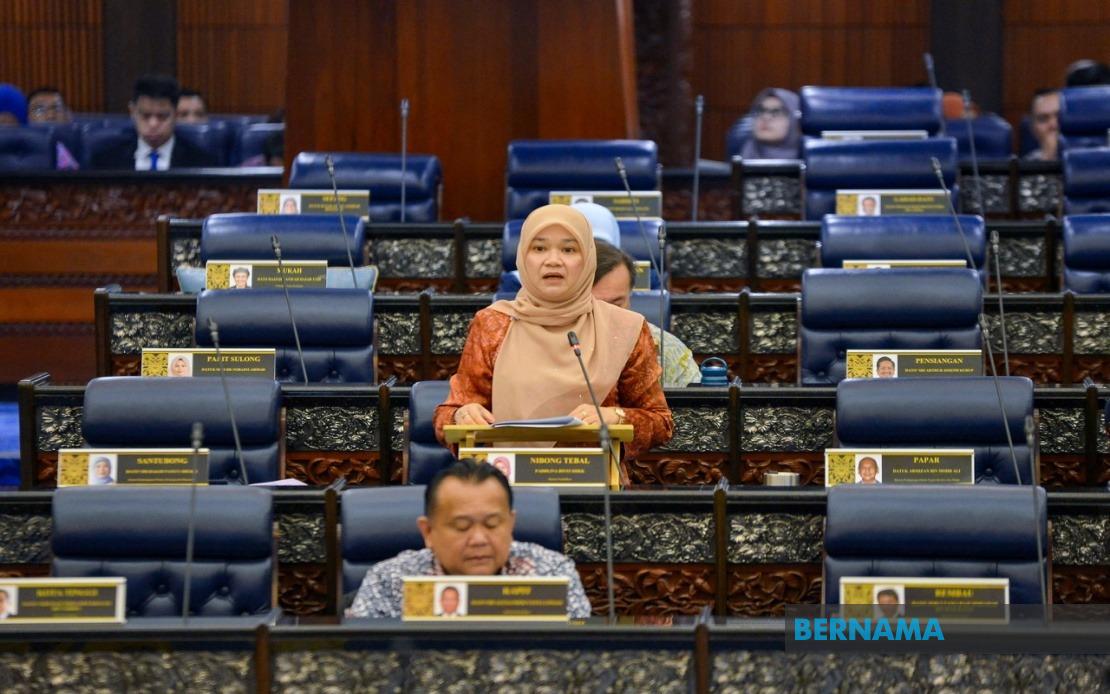
The Ministry of Education has announced a comprehensive overhaul of school safety frameworks, signalling a significant shift toward proactive rather than reactive approaches to protecting students. Education Minister Fadhlina Sidek outlined the multifaceted strategy during parliamentary questioning, emphasising that no two safety incidents can be addressed identically because each situation carries distinct contextual factors spanning physical infrastructure, student psychology, and emotional wellbeing. This nuanced stance reflects growing recognition within Malaysia's education sector that safety encompasses far more than installing barriers or surveillance systems—it requires attention to the holistic developmental needs of young people.
Central to the ministry's strengthened approach is the establishment of a dedicated oversight committee bringing together multiple government agencies and external organisations. This collaborative structure marks a departure from siloed departmental responses and instead creates an integrated command structure where expertise can flow freely between entities responsible for different aspects of school environments. By coordinating across agencies, the ministry aims to eliminate the fragmentation that has historically allowed safety gaps to persist in educational settings, particularly where responsibilities blur between building maintenance, health services, and student welfare.
The ministry has received technical support from the National Institute of Occupational Safety and Health, a partnership that brings occupational safety standards into school environments. This institutional collaboration ensures that guidance on building integrity, drainage systems, and fire safety protocols meets professional standards rather than relying solely on ad hoc internal compliance. Training programs for school-level safety coordinators funded through this partnership will equip administrators with practical skills to implement and monitor safety measures consistently across Malaysia's diverse school network.
Two key policy documents now serve as operational blueprints for institutions nationwide. The Safe School Management Guidelines and School Student Protection Policy, both launched on June 11, provide standardised frameworks addressing physical, social, and emotional dimensions of student safety. These policies acknowledge that a truly safe school protects children from accidents and hazards while simultaneously fostering environments where students feel secure reporting concerns and accessing support services without fear of retaliation or stigma.
Capital investment in physical security infrastructure is accelerating significantly. The ministry plans to install closed-circuit television systems in 333 schools during this academic year, a marked increase from 200 schools in the previous year. While CCTV deployment remains controversial in education circles due to privacy considerations, the ministry's expansion suggests officials view recorded footage as necessary deterrent and evidence-gathering tools. The rollout's scale indicates this is now considered essential infrastructure rather than an optional enhancement, reflecting heightened concerns about security vulnerabilities across the school system.
Night-time student safety receives dedicated attention through the appointment of 300 new hostel wardens beginning April 1. This recruitment drives directly address identified gaps in evening and overnight supervision when students are vulnerable and administrative oversight typically diminishes. The deliberate staffing expansion acknowledges that hostels require intensive human supervision that cannot be replaced by technology alone, and that students living away from home need consistent adult presence and accessible support systems during non-school hours.
Bullying has emerged as a particular concern prompting legislative and procedural updates. The Anti-Bullying Act 2026, which took effect on June 16, provides legal frameworks that the ministry is now translating into updated handling guidelines. These refreshed procedures will standardise responses to bullying reports, ensuring consistency across schools while protecting due process for both victims and accused students. The legislative foundation gives school administrators statutory authority to take decisive action, addressing previous complaints that bullying responses lacked sufficient formal backing.
The ministry's approach to bullying interventions involves certified counsellors working alongside school staff and parent organisations. Rather than adopting purely punitive measures, the framework emphasises comprehensive assessment accounting for contributing factors and the psychological needs of involved students. Parent-Teacher Associations and broader community involvement initiatives are positioned as essential partners in creating accountability and ensuring that interventions reflect school and community values.
This safety framework demonstrates Malaysia's education sector grappling with mounting pressures to create demonstrably secure learning environments. The combination of policy updates, infrastructure investment, inter-agency coordination, and staffing increases suggests the ministry recognises that addressing safety requires sustained commitment across multiple operational domains rather than isolated quick fixes. The expansion from 200 to 333 CCTV-equipped schools and recruitment of 300 new wardens represents substantial resource allocation that may offer templates for other Southeast Asian education systems facing comparable pressures.
For Malaysian parents and educators, the announced measures indicate the ministry is responding seriously to documented safety and bullying concerns. The emphasis on individualised case assessment rather than blanket protocols suggests recognition that school communities have varying needs and risk profiles. However, the effectiveness of these initiatives will ultimately depend on implementation consistency across Malaysia's geographically dispersed and resource-varied school network, where institutional capacity and commitment to compliance vary considerably. Sustained funding, ongoing training, and mechanisms for holding schools accountable to new standards will determine whether these policies translate into genuinely safer environments or remain regulatory documents on administrative shelves.
The comprehensive nature of the ministry's announced approach positions student safety as an institutional priority rather than a peripheral concern. Success requires not only hardware investments and policy frameworks but also cultural shifts within schools where safety concerns can be raised without fear and where systematic prevention is valued as highly as incident response. As Malaysia's education system implements these changes throughout the academic year, schools will require practical support and clear expectations about compliance timelines and performance metrics.

