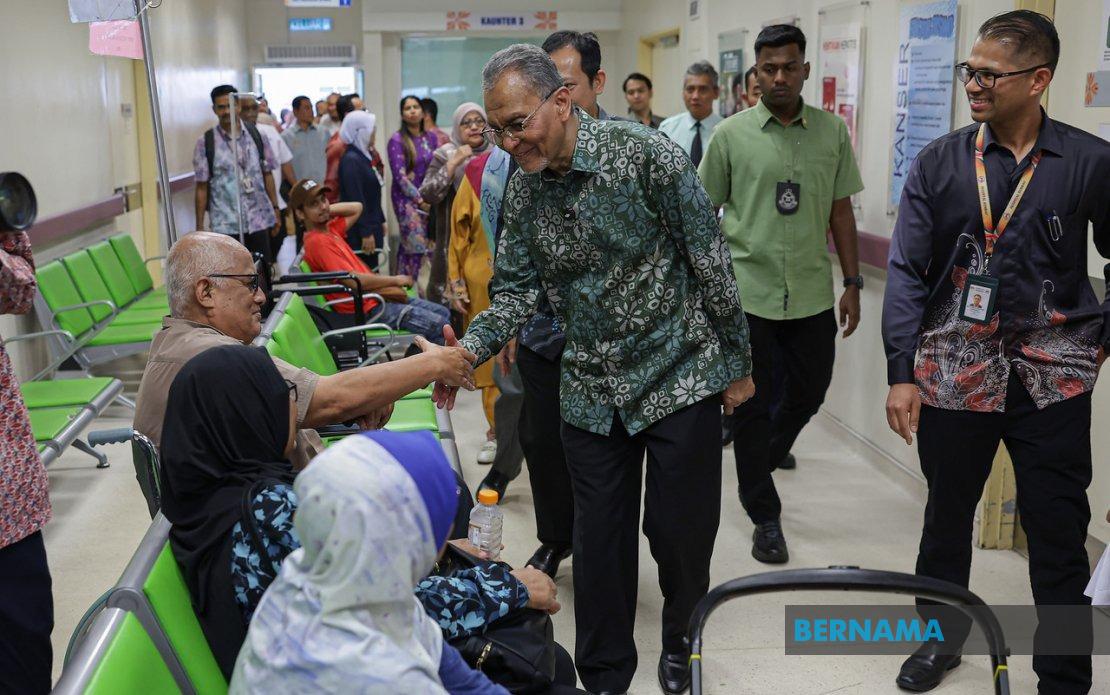
Malaysia's push to establish formal protections for worker mental wellbeing is accelerating, with the Ministry of Health targeting completion of a comprehensive workplace mental health policy by late September or October. Health Minister Datuk Seri Dr Dzulkefly Ahmad outlined the timeline during an event in Rembau, signalling the government's growing recognition that mental health must receive comparable attention to physical safety in Malaysia's workplaces. The policy represents a significant shift in how the country approaches occupational health, moving beyond traditional measures to address the psychological demands of modern work.
The development of this policy reflects mounting concerns across Southeast Asia about worker mental health, particularly as economic pressures and changing work patterns intensify burnout and stress-related illnesses. Malaysia's manufacturing sector, financial services industry, and growing tech economy all grapple with these challenges, making a unified national approach increasingly essential. By establishing clear guidelines and expectations, the government aims to create a baseline standard that employers nationwide must meet, helping level the playing field between large corporations with existing wellness programmes and smaller enterprises that may lack such provisions.
The consultation process itself involves a deliberately inclusive approach, bringing together the Ministry of Human Resources, the Department of Occupational Safety and Health, the Malaysian Employers Federation, and the Malaysian Trades Union Congress. This multi-stakeholder engagement reflects the complexity of workplace mental health, which touches on employment law, occupational safety, employer interests, and worker rights simultaneously. Each party brings distinct perspectives—employers concerned about productivity and implementation costs, unions prioritising worker protection, and government agencies responsible for enforcement and standards—requiring careful negotiation to produce workable guidelines.
Dr Dzulkefly's emphasis on a comprehensive approach suggests the final policy will extend well beyond simple counselling services, the minimum offering at many organisations. The government has signalled particular attention to work-life balance mechanisms and institutional support systems that help prevent mental health crises before they occur. This preventative orientation differs markedly from reactive models where employers only intervene after employees experience serious difficulties, representing a more mature understanding of occupational mental health in line with international best practices.
The policy will specifically address burnout and excessive workload, two interconnected problems that affect Malaysian workers across sectors. The health service itself struggles with these issues, with nursing and medical staff working unsustainable hours that compromise both their wellbeing and patient care quality. By establishing clear expectations around workload management, the government signals that productivity cannot come at the expense of worker mental health—a message particularly important in competitive Asian markets where overwork is often normalised or even valorised.
Beyond the mental health policy, Dr Dzulkefly outlined parallel reforms to hospital service delivery through a cluster model where specialist expertise from leading institutions extends to smaller regional hospitals. This approach addresses Malaysia's perennial challenge of unequal healthcare access between urban and rural areas, allowing remote communities to access specialist services without requiring expensive relocation. The cluster concept proves particularly valuable for vulnerable populations who cannot easily travel for care, including pregnant women, children, and elderly patients requiring ophthalmology or ENT services.
The hospital enhancement strategy deliberately avoids massive capital expenditure on new buildings, instead optimising existing infrastructure and capabilities. This pragmatic approach reflects budgetary constraints many health systems face and demonstrates that service improvement often depends on better organisation and resource deployment rather than construction alone. Malaysian hospitals, particularly in peninsular states, possess substantial existing capacity that upgraded coordination and specialist rotation can unlock more effectively.
Strengthening paediatric, obstetric, and gynaecological services emerges as a priority, addressing critical gaps in maternal and child health across the public system. Obstetric complications remain a leading cause of maternal mortality in developing economies, and ensuring all hospitals can manage emergency situations saves lives. Similarly, accessible paediatric services benefit infants and children in underserved areas who currently travel long distances for basic specialist care or forgo treatment entirely.
The government's dual focus on worker mental health and healthcare system reform reflects interconnected priorities. Healthier workers contribute to economic productivity while placing fewer demands on healthcare services, and healthcare workers themselves benefit from mental health protections that reduce occupational stress. These complementary initiatives suggest health policy in Malaysia is becoming more integrated, recognising that wellbeing encompasses both direct health interventions and the social conditions that support health.
Implementing these policies effectively presents genuine challenges. The workplace mental health framework must accommodate Malaysia's diverse economic sectors, from multinational corporations to small family businesses, without imposing uniform burdens that disadvantage smaller employers. Enforcement mechanisms need clarification—how will government monitor compliance, what penalties apply for violations, and how will workers access remedy if employers fail to meet standards? These implementation details will determine whether the policy becomes genuine protection or merely symbolic gesture.
The September-October timeline suggests government commitment to movement, though policy completion and effective implementation remain distinct milestones. Roll-out strategies, employer guidance materials, and worker education campaigns must follow the policy launch, with a substantial transition period as organisations align their practices with new requirements. Regional variation in implementation capacity means some states will adopt changes more readily than others, potentially creating uneven protections across Malaysia.
For Malaysian workers and employers, this policy development represents an important acknowledgment that mental health demands formal institutional attention comparable to physical safety. International experience from countries with established workplace mental health frameworks demonstrates that early intervention and prevention systems reduce both human suffering and economic costs from disability and lost productivity. Malaysia's decision to develop comprehensive guidelines signals alignment with global best practices while acknowledging local workplace realities.

