Malaysia's Ministry of Entrepreneur and Cooperatives Development (KUSKOP) is accelerating efforts to strengthen local small business operators in the digital economy through a comprehensive strategic framework designed to address mounting pressures from international competitors who benefit from lower operational expenses. The newly drafted MSME Strategic Plan 2030 represents a deliberate government pivot toward creating a more resilient and competitive ecosystem for micro, small and medium enterprises navigating the challenges of rapid digital transformation and shifting consumer behaviour.
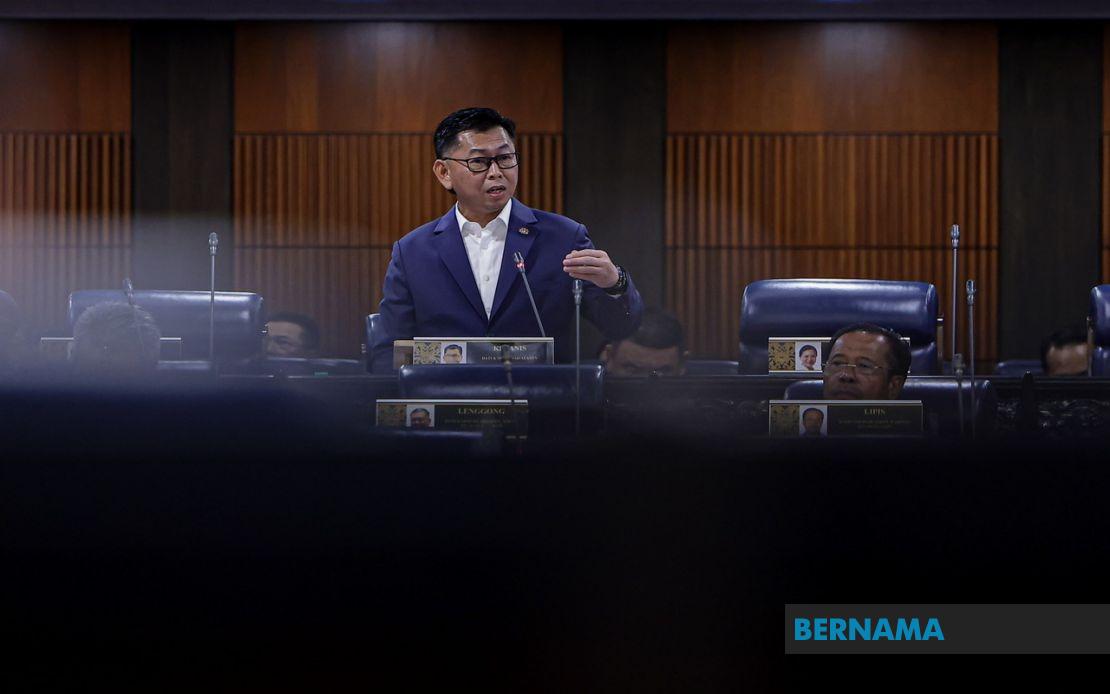
Deputy Minister Datuk Mohamad Alamin articulated the plan's core objective during parliamentary proceedings on June 24, emphasizing that the initiative seeks to fundamentally reshape how local entrepreneurs operate within digital markets. The strategy acknowledges a critical vulnerability affecting Malaysian SMEs: their inability to match the cost structures of foreign sellers who leverage economies of scale and minimal regulatory burdens in their home markets. Rather than imposing protectionist barriers, the ministry has opted for a market-enabling approach that focuses on capability-building and access provision.
The government has already deployed practical infrastructure designed to level the playing field for Malaysian traders. The MyMall platform, launched in 2022, exemplifies this intervention by offering e-commerce marketing capability without charging merchants for digital storefront space—a significant cost advantage for entrepreneurs with limited capital reserves. As of May 31 this year, the platform had attracted 5,776 registered traders and facilitated cumulative transactions worth RM24.5 million. While these figures demonstrate the platform's viability, they also underscore the substantial latent demand among Malaysian SMEs seeking accessible pathways to digital commerce.
The significance of MyMall extends beyond immediate transaction volumes. The platform's structure removes a traditional barrier to entry for rural and semi-urban entrepreneurs who might otherwise lack technical expertise or financial means to establish independent online operations. By concentrating marketing muscle and payment infrastructure, the platform achieves economies of scope that individual traders cannot access independently. This aligns with regional patterns where Southeast Asian governments are increasingly providing shared digital infrastructure to compensate for local firms' relative disadvantages.
Recognizing that broader e-commerce platforms alone cannot address all impediments, KUSKOP has pursued strategic partnerships with major international digital players. A collaboration between the ministry's development agency Tekun Nasional and TikTok Shop has furnished local entrepreneurs with professional livestream studio facilities—a resource that would otherwise require substantial capital investment. The deployment has proven notably effective, with 1,054 local digital entrepreneurs utilizing these facilities to generate sales reaching RM35 million. This partnership model suggests that government-brokered access to multinational platforms' infrastructure can meaningfully enhance competitiveness without requiring protectionist measures.
Financial enablement forms another crucial pillar of the strategy. Bank Rakyat, operating under the KUSKOP portfolio, has undertaken systematic digitalization of rural entrepreneurship through the Jajahan Rakyat programme. The initiative has assisted 627 entrepreneurs in transitioning toward digital business models, backed by RM610.6 million in financing support. This financial commitment reflects recognition that digital transformation requires not merely awareness or platform access, but substantive capital for technology adoption, inventory expansion, and operational scaling.
The policy orientation evident across these interventions reveals a strategic philosophy distinct from the protectionism sometimes advocated in debates surrounding foreign competition. Rather than restricting market access or imposing tariffs on digital services, KUSKOP is attempting to enhance local competitive capacity through infrastructure provision, technical facilitation, and capital access. This approach carries implications beyond Malaysia, resonating with broader Southeast Asian development challenges where small operators struggle to compete globally despite possessing quality products and entrepreneurial capability.
The MSME Strategic Plan 2030 situates these tactical initiatives within a longer-term transformation narrative. By explicitly targeting sustainable and adaptive business ecosystems, the framework suggests the ministry recognizes that one-off interventions will not suffice. Digital markets evolve continuously, with competitive advantages perpetually shifting toward platforms, technologies, and business models yet unimagined. A strategic plan extending to 2030 must therefore emphasize capabilities—digital literacy, supply chain coordination, data analytics competency—rather than merely providing static advantages.
However, questions persist regarding scalability and sustainability. The current initiatives, while meaningful, reach a limited proportion of Malaysia's estimated 900,000 MSMEs. Expanding MyMall to accommodate substantially more traders while maintaining effective operations, replicating livestream studio success across multiple regions, and scaling rural digitalization require resources and implementation capacity that will strain existing government structures. Moreover, reliance on strategic partnerships with multinational platforms introduces vulnerability to shifts in those companies' business priorities or terms of service.
The competitive pressure that prompted this strategic planning ultimately reflects Malaysia's integration into regional and global value chains. Local entrepreneurs increasingly encounter not merely domestic rivals, but sellers from throughout Southeast Asia, China, and beyond. Foreign traders operating from lower-cost jurisdictions do enjoy structural advantages that cannot be wholly eliminated through infrastructure provision alone. The government's realistic acknowledgment of operating cost constraints, coupled with pragmatic efforts to mitigate disadvantages through systematic support, suggests mature policymaking around genuinely difficult challenges.
For Malaysian entrepreneurs themselves, the strategic plan offers substantive opportunities despite remaining constraints. Access to MyMall, TikTok Shop facilities, and Bank Rakyat financing represents measurable progress compared to the unmediated competition that would otherwise prevail. Early adopters have already demonstrated the potential for meaningful sales generation through these platforms. As the plan develops through 2030, success will ultimately depend on whether KUSKOP can sustain and expand these initiatives while continuously adapting to evolving digital market dynamics and emerging technologies that reshape competitive conditions.