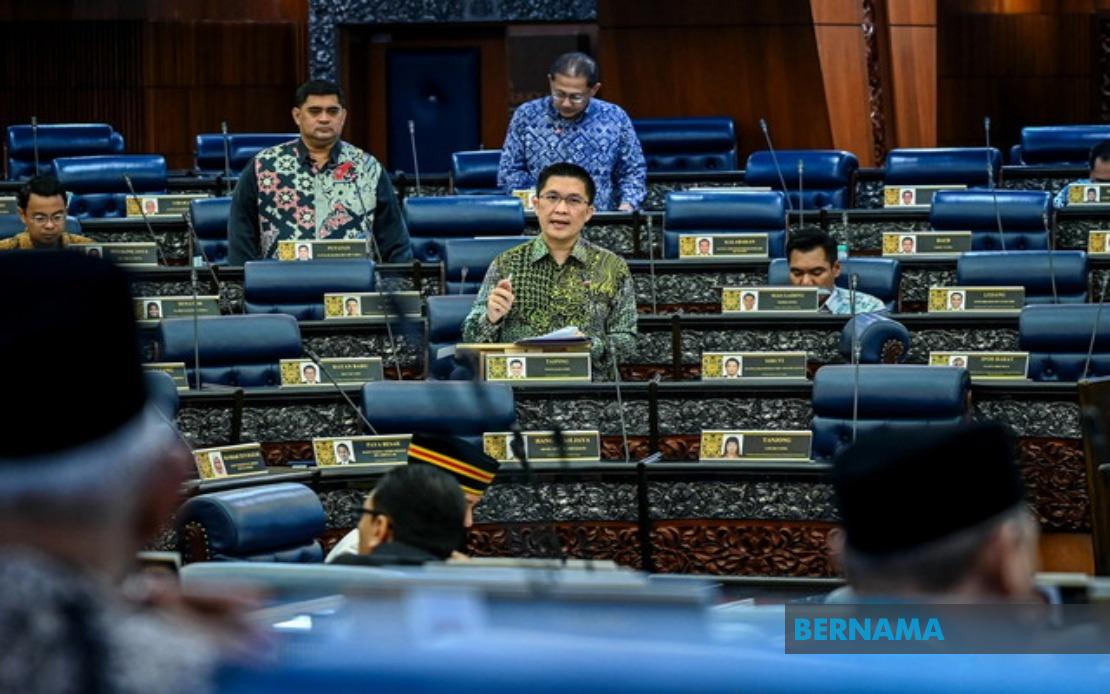
Malaysia's Education Ministry has achieved near-total staffing across its preschool network, with 99.8 per cent of teaching positions filled as of July 1, Deputy Minister Wong Kah Woh announced in Parliament this week. The accomplishment represents a substantial commitment to expanding early childhood education provision across the nation, with 10,478 qualified educators now deployed to support the ministry's growing preschool system.
The recruitment drive reflects deliberate policy expansion over recent years. Between 2023 and 2025, the ministry introduced 1,202 new preschool teachers into its workforce, signalling sustained investment in this foundational education level. Rather than completing recruitment in a single push, the Education Ministry intends to maintain a phased and systematic approach to teacher deployment, calibrating recruitment cycles with projected enrolment increases across different regions. This measured strategy aims to prevent oversupply in some areas while ensuring adequate staffing where demand is anticipated to rise.
The scale of the preschool operation is substantial. As of May 31, the ministry was operating 10,491 preschool classes nationwide, educating 217,026 children. These figures underline the significance of preschool provision within Malaysia's broader education framework, positioning early childhood learning as a key government responsibility rather than leaving it primarily to private providers. The expansion has real implications for working families, particularly those in middle and lower-income brackets, who benefit from accessible government-funded early learning options.
Quality assurance has accompanied the expansion. Recognising that teacher recruitment alone does not guarantee educational excellence, the Education Ministry has invested in strengthening its training ecosystem. The ministry has enhanced both pre-service programmes—training for prospective teachers—and in-service development for existing educators. These initiatives are designed to ensure Malaysia's preschool workforce meets contemporary early childhood education standards and possesses competencies aligned with recognised international benchmarks. The training programmes directly translate into improved learning environments within preschool classrooms.
The decision to open new classes follows evidence-based planning. The ministry conducts comprehensive assessments before establishing preschool facilities, evaluating factors such as the number of eligible-age children in each locality and documented parental demand. This approach prevents misalignment between supply and community needs, ensuring resources flow to areas where they generate genuine educational impact. For Malaysian policymakers and parents, this methodical expansion contrasts with ad-hoc expansion and suggests deliberate effort to serve underserved communities.
Looking forward, the ministry has committed to substantial growth. Wong announced plans to establish 300 additional preschool classes during the upcoming year, a significant expansion. More ambitiously, the government targets opening or establishing 1,040 new preschool classes across a five-year horizon. If achieved, this expansion would substantially increase access to government-funded early childhood education, potentially reshaping educational equity for young Malaysian children from disadvantaged backgrounds.
For six-year-old children who have missed the preschool window, the Education Ministry is exploring alternative pathways. The ministry plans to continue expanding preschool classes while simultaneously working with State Education Departments, the Community Development Department (KEMAS), and other relevant agencies to widen access through coordinated approaches. This collaborative strategy acknowledges that no single agency can address early childhood education provision alone, and that success requires coordination across multiple government tiers and departments.
The implications for Malaysia's broader development agenda are worth considering. Early childhood education correlates strongly with later academic performance, social development, and long-term earnings potential. By substantially expanding government preschool capacity and ensuring adequate teacher staffing, Malaysia is investing in human capital formation at the critical formative stage. For regions with high child poverty or limited private early learning options, government preschool expansion directly impacts social mobility prospects.
The 99.8 per cent staffing achievement also reflects successful recruitment execution in a competitive labour market. In Southeast Asia, attracting qualified teachers across all education levels remains challenging amid competing employment opportunities. Malaysia's ability to fill nearly all preschool positions suggests either effective compensation packages, improved working conditions, or enhanced professional recognition for early childhood educators—factors that merit examination as other nations consider their own teacher recruitment strategies.
Regional context adds perspective. Many Southeast Asian nations struggle to provide universal preschool access, with significant rural-urban divides in service availability. Malaysia's systematic approach to nationwide expansion and consistent teacher staffing positions the country relatively favourably within the region. However, the emphasis on continued phased expansion rather than declaring the mission complete suggests policymakers recognise gaps remain, particularly in remote or newly developed areas where demand may be emerging.

