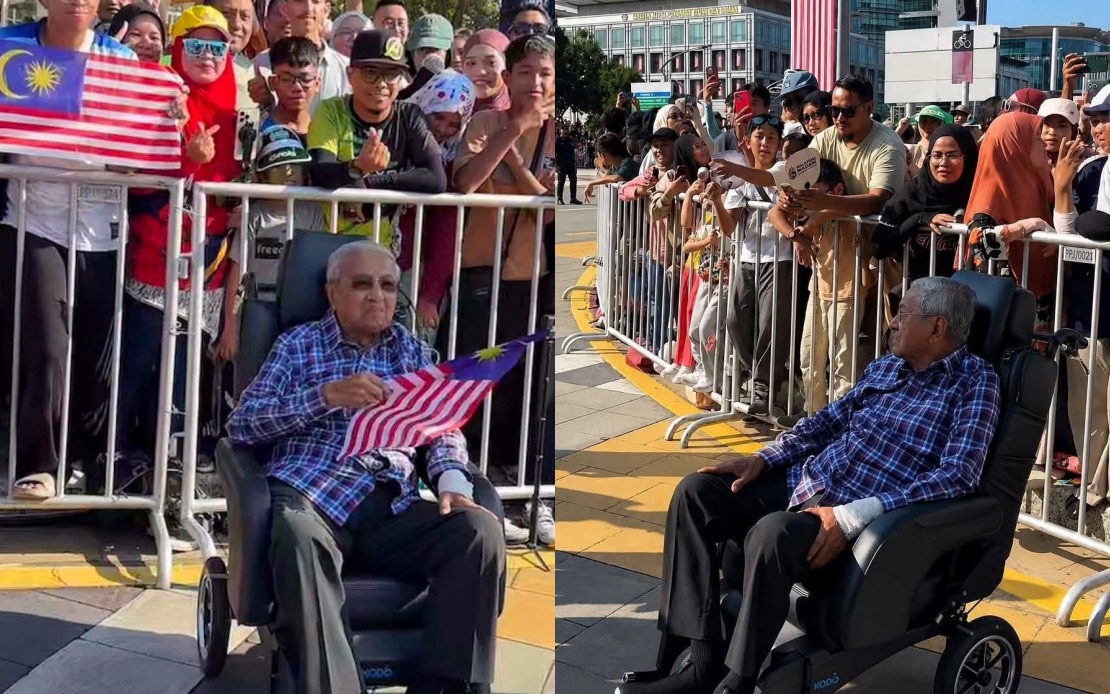
The Malaysian government has moved to clarify its invitation protocols for National Day celebrations, announcing that former prime ministers are no longer extended automatic invitations to these major state events. The clarification comes following public questions about former Prime Minister Tun Dr Mahathir Mohamad's attendance at this year's celebration held at Dataran Putrajaya, marking a shift in how Malaysia treats its retired leaders at official ceremonies.
The National Day Celebration 2026 Secretariat issued the formal statement outlining the established procedures that have governed such invitations since 2018. According to Datuk Abdul Halim Hamzah, chairman of the 2026 National Day and Malaysia Day Celebration Working Committee and secretary-general of the Communications Ministry, the decision represents a deliberate departure from previous practice. The shift reflects broader changes in how the government manages access to high-profile state functions, moving away from blanket courtesy invitations toward a more structured application-based system.
Under the current framework, responsibility for managing invitations to major federal government events rests with the Prime Minister's Department, specifically its Protocol and International Conference Secretariat Division, known by its acronym BIUPA. This centralisation ensures consistency in how such matters are handled across the government's calendar of official celebrations. The change means that while former leaders remain valuable national figures, their participation in state events now requires the same formal procedures as other citizens or organisations seeking official recognition.
The new system does not prevent former prime ministers from attending National Day celebrations altogether. Rather, it requires interested former leaders to submit formal applications through established channels, which are then reviewed and approved according to set criteria and protocols. This distinction is significant—it maintains respect for the office they once held while establishing clear procedural boundaries that apply equally to all applicants. The approach reflects a more modern, transparent approach to governance where even former chief executives must navigate the same bureaucratic frameworks as everyone else.
In Dr Mahathir's case, his presence at this year's Dataran Putrajaya event was facilitated through an application he submitted to the Prime Minister's Office. However, notably, his application pertained to the Overseas Rest Facility rather than directly to National Day attendance. According to government records, Dr Mahathir had notified the Prime Minister's Office that he was scheduled to be abroad from August 28 to 31, 2026, necessitating formal approval under the regulations governing overseas travel for former prime ministers.
Prime Minister Datuk Seri Anwar Ibrahim approved Dr Mahathir's application in accordance with the provisions governing the Remuneration of Former Prime Ministers, which fall under the Members of Parliament (Remuneration) Act 1980. This legislative framework establishes the benefits and entitlements that former prime ministers retain after leaving office, including provisions for official travel and facilities. The approval demonstrates that while automatic invitations have been discontinued, the government maintains institutional recognition of former leaders' status through these established entitlements.
The 2018 protocol change represents a significant evolution in Malaysia's approach to state ceremonial affairs. Prior to this date, it appears that former prime ministers could expect routine invitations to National Day events as a matter of courtesy and protocol. The shift toward requiring applications suggests a desire to make such decisions more deliberate and case-specific, potentially taking into account current political relationships, diplomatic considerations, and the appropriateness of particular individuals' participation in specific events.
This development carries implications for how Malaysia manages the ceremonial roles of its former leaders at a time when the country has experienced considerable political turbulence and frequent changes in government. Between 2018 and the present, Malaysia saw the fall of the Barisan Nasional government, the rise and fall of Pakatan Harapan, and subsequent political realignments. The protocol change may reflect institutional attempts to prevent former leaders from dominating state occasions or creating uncomfortable political dynamics at official functions.
For Southeast Asian observers, Malaysia's approach offers a case study in how democracies balance respect for former executives with the practical needs of contemporary governance. Unlike some neighbouring countries where former leaders command substantial political influence or maintain extensive patronage networks, Malaysia's system attempts to establish clear boundaries while preserving the dignity of the office. The application-based approach mirrors practices in several mature democracies, where former presidents or prime ministers typically receive invitations on a case-by-case basis rather than as automatic courtesy.
The clarification also addresses broader questions about institutional memory and the role of experienced former leaders in public life. By requiring applications, the government can consider whether particular former prime ministers have contributions to make to specific events or ceremonies. This allows for flexibility—a former PM might be invited to commemorate a particular achievement or period in their tenure, while being appropriately excluded from events where their presence might complicate current political messaging or relationships.
The BIUPA division's central role in managing these invitations suggests that Malaysia is attempting to professionalise and standardise its protocol decisions. Rather than leaving such matters to ad-hoc decisions by individual ministries or offices, centralising the process ensures consistency and reduces the potential for political favouritism or oversight. This bureaucratic approach, while potentially less personalised, provides institutional protection against allegations of bias or discrimination in how different former leaders are treated.
Moving forward, this protocol establishes clear expectations for any former prime minister seeking to participate in major national celebrations. The framework respects their historical importance while treating them as subjects of the same formal processes that govern official event management. As Malaysia continues to evolve its democratic institutions and political landscape, such procedural clarity contributes to more predictable and transparent governance, demonstrating that even respect for senior statesmen operates within defined institutional frameworks rather than personal discretion.

