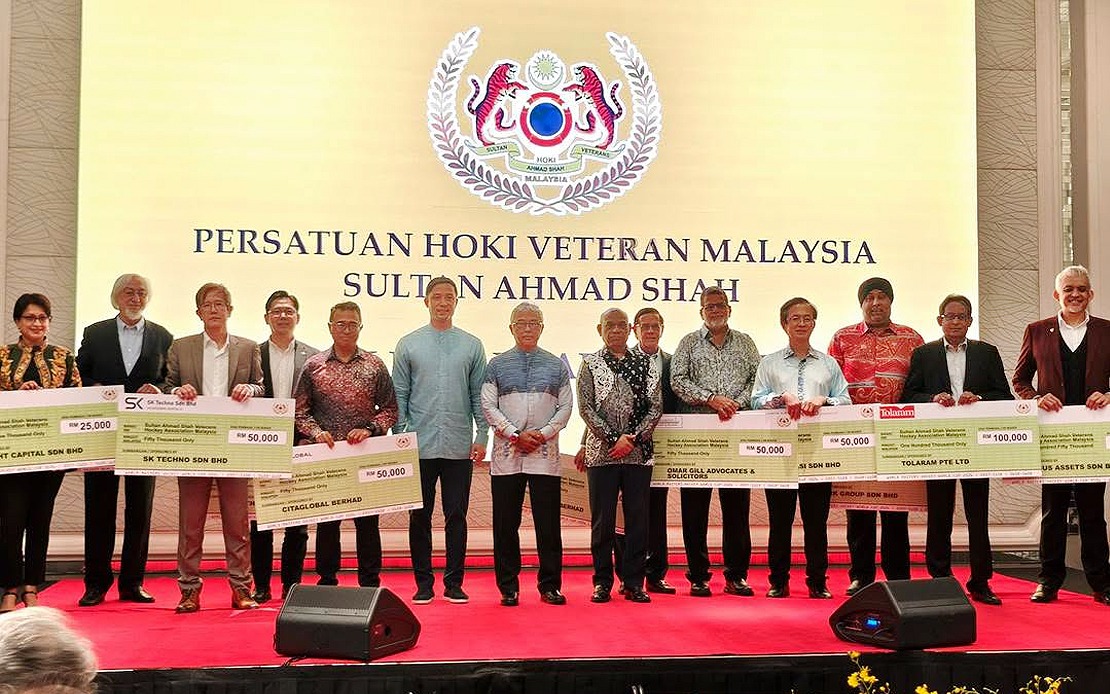
Malaysia's veteran hockey programme has received a substantial financial injection of RM1.36 million to support the national squad's participation in the 2026 Masters Hockey World Cup, one of the sport's most prestigious international competitions. The funding announcement came during a Royal High Tea Ceremony in Kuala Lumpur, attended by the Sultan of Pahang, Al-Sultan Abdullah Ri'ayatuddin Al-Mustafa Billah Shah, who serves as patron of the Sultan Ahmad Shah Malaysian Veteran Hockey Association.
Tengku Arif Temenggong Tengku Fahad Mu'adzam Shah, president of the SAS association, outlined how the funds would be strategically deployed to maximise Malaysia's competitive prospects across the tournament's five age categories. The financial package has been assembled through collaborative contributions from various stakeholders committed to supporting the nation's veteran athletes. This comprehensive funding approach reflects growing recognition within Malaysian sports circles of the importance of sustaining competitive pathways for experienced players who wish to represent their country internationally.
Beyond covering the essentials of accommodation and international travel, the funding allocation extends to tournament preparation expenses that veteran players require to maintain competitive fitness and tactical readiness. Equally significant is the association's commitment to providing direct financial assistance to former national team players who face economic barriers to participation. By removing these obstacles, Malaysian organisers aim to reassemble a squad comprising the nation's most accomplished veteran competitors, ensuring the strongest possible representation on the global stage.
The 2026 edition will unfold across multiple venues throughout the summer months. Players aged 40 will compete at HC Schiedam in Schiedam, Netherlands, during the opening phase from July 22 to August 1. The 45-year-old and 50-year-old categories will also contest matches at HC Rotterdam in the Netherlands during this same period. Older competitors will face their challenges in August, with 60-year-old athletes heading to HC Olympia in Brasschaat, Antwerp, Belgium, while those aged 65 will play at BHV Push in Breda, Netherlands, between August 6 and 16. This geographical distribution across two countries reflects the tournament's scale and the logistical complexity involved in hosting simultaneous competitions across multiple age divisions.
The Masters Hockey World Cup represents the pinnacle of international competition for veteran players, drawing elite squads from around the world who compete with the same intensity and preparation as their younger counterparts. The tournament's biennial cycle ensures consistent opportunities for national associations to field competitive teams. The 2026 staging marks the eighth iteration of the championship since World Masters Hockey was formally established in 2012, following the strategic merger of the International Masters Hockey Association (IMHA) and the World Grand Masters Association (WGMA). This consolidation unified the global veteran hockey movement under a single governance structure, elevating standards and competitive quality across all age divisions.
For Malaysia, participation in such prestigious international tournaments carries broader significance beyond immediate sporting outcomes. The veteran hockey programme demonstrates the nation's commitment to providing competitive pathways throughout an athlete's lifetime, not merely restricting opportunities to younger players. This philosophy aligns with global trends in sports development that recognise the talent, experience, and dedication of older competitors. By investing in veteran hockey, Malaysia positions itself within an international community of nations prioritising inclusive sporting participation across age demographics.
The composition of Malaysian contingents across five distinct age categories suggests a healthy depth of veteran talent within the national system. Each age division presents unique competitive dynamics and physical demands, requiring specialised preparation and squad composition. The fact that Malaysia can field competitive teams across this spectrum indicates sustained engagement with the sport among former national players, many of whom maintain significant technical skills and competitive drive despite advancing age. This longevity of athletic engagement often reflects both individual dedication and strong organisational support from governing bodies.
From a regional Southeast Asian perspective, Malaysia's investment in veteran hockey underscores the nation's broader sports infrastructure ambitions. While major international attention typically focuses on Olympic and world championship competitions featuring younger athletes, the development of veteran sports programmes reveals maturity in a nation's sporting ecosystem. It demonstrates capacity to nurture talent across generational lines and recognition that international sporting achievement extends beyond single competitions. Other Southeast Asian nations may observe Malaysia's approach as a model for comprehensive sports development strategies.
The funding mechanism itself, drawing on contributions from multiple parties rather than relying entirely on government budgets, reflects contemporary approaches to sports financing in the region. Public-private partnerships and collaborative fundraising enable greater financial flexibility and spread responsibility across stakeholders with shared interests in supporting athletic excellence. This diversified funding approach may prove increasingly important as nations seek to maximise their international sports presence amid competing fiscal priorities. The Malaysian veteran hockey model demonstrates how targeted coordination among multiple contributors can achieve significant outcomes for specific sporting objectives.
Looking ahead to July and August 2026, Malaysian veteran hockey competitors will have benefited from months of preparation supported by this substantial financial commitment. The squad composition across age categories will represent years of accumulated experience and competitive history. Success in international veteran competition depends not only on current fitness and technical proficiency but also on team cohesion and familiarity among squad members who may have represented Malaysia together across decades. The funding support enables coaches and administrators to focus on tactical development and team integration rather than scrambling to cover basic logistical expenses. Such stability and professional preparation often distinguish successful international campaigns from those struggling with inadequate resources.

