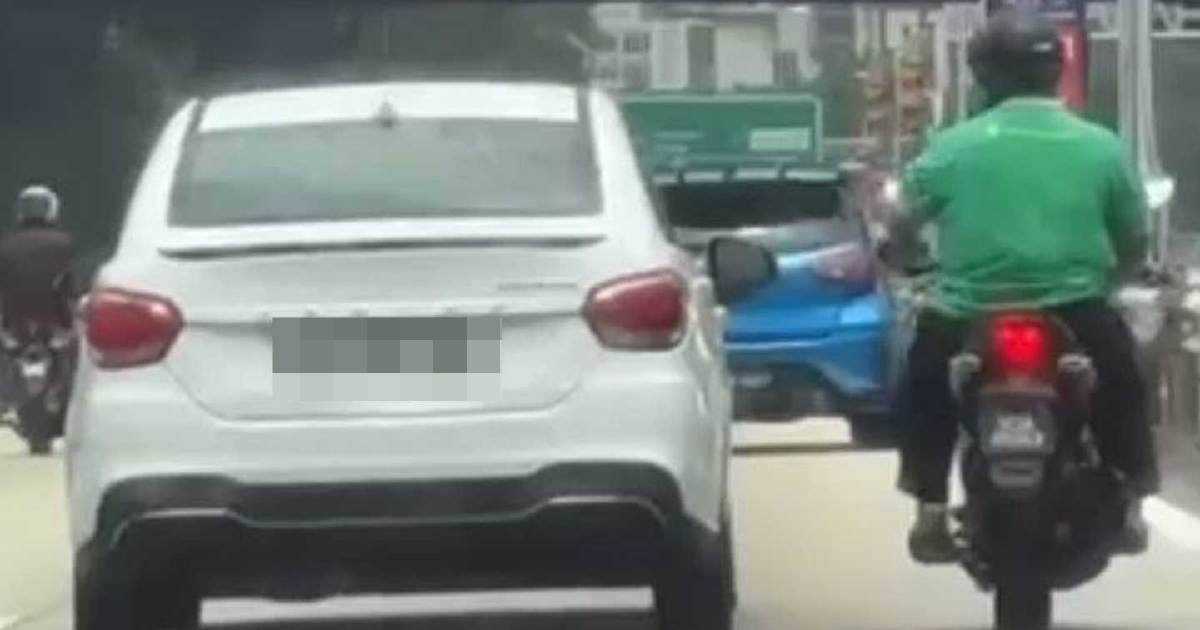
Authorities in Kuala Lumpur arrested a technician in his 30s yesterday following allegations that he hurled a stone at another motorist's vehicle during a heated road dispute on the Kuala Lumpur-Seremban Expressway near Sungai Besi. The incident underscores a worrying trend of aggressive behaviour erupting among drivers on Malaysia's major highways, where minor traffic conflicts frequently escalate into dangerous confrontations.
Road rage incidents have become an increasingly common sight on Malaysian expressways, reflecting growing pressures on urban transportation networks and heightened tensions among commuters navigating congested routes. The Kuala Lumpur-Seremban Expressway, which connects the capital to Negeri Sembilan, carries substantial daily traffic volumes, creating an environment where minor disagreements between drivers can quickly spiral into physical confrontations. The involvement of a stone—a weapon that poses genuine risk to vehicle safety and occupant welfare—demonstrates how quickly such disputes can transform into incidents with serious potential consequences.
The arrest highlights the police's ongoing efforts to tackle unruly conduct that endangers fellow road users and threatens public safety on expressway corridors. Authorities view such incidents seriously, recognising that aggressive behaviour and weaponised objects constitute threats not merely to the immediate parties involved but to all motorists sharing the roadway. The location near Sungai Besi, an area with significant traffic flows, suggests this incident could have easily triggered secondary accidents or wider disruptions had circumstances been slightly different.
Malaysian traffic enforcement agencies have repeatedly warned motorists against engaging in aggressive displays or retaliatory actions during road disputes. Official guidance consistently emphasises that maintaining composure and avoiding direct confrontation remains the safest course when tensions rise between drivers. Police have encouraged victims of road rage to report incidents rather than respond with reciprocal aggression, which typically compounds dangers and may trigger legal consequences for all parties involved.
The broader context of such incidents reflects challenges facing Malaysian road culture as vehicle ownership rises and urban congestion intensifies. Rush-hour pressures, time constraints, and the stressful nature of navigating crowded expressways create environments where patience wears thin. When disputes arise over lane changes, merging, or perceived discourteous driving, some individuals resort to confrontation rather than de-escalation—a pattern that authorities and road safety advocates have sought to address through awareness campaigns and enforcement.
From a legal perspective, throwing objects at vehicles constitutes an assault under Malaysian law and can result in serious criminal charges. Such actions jeopardise not only immediate safety but can lead to arrest, prosecution, and potential imprisonment depending on circumstances and severity. The individual arrested now faces potential charges, though formal allegations would be confirmed through police investigations and prosecutorial review. The case may serve as a cautionary example of how momentary anger during traffic disputes can have lasting legal and personal consequences.
For Malaysian commuters, particularly those who regularly use expressway corridors like the KL-Seremban route, such incidents reinforce the importance of defensive driving practices and emotional regulation behind the wheel. Safety experts recommend focusing on smooth acceleration, maintaining safe distances, and avoiding eye contact with aggressive drivers—all measures designed to de-escalate potential confrontations. These strategies prove especially valuable in high-stress environments where multiple vehicles navigate complex traffic patterns simultaneously.
The incident also reflects broader societal patterns regarding conflict resolution and personal accountability on public roads. Unlike private disputes, road altercations occur in spaces where multiple citizens depend on shared infrastructure and mutual respect for safety conventions. When individuals prioritise momentary grievances over collective wellbeing, the entire transportation network suffers potential disruption and increased accident risks.
Police and traffic authorities continue monitoring expressway corridors for dangerous driving behaviour and aggressive conduct. Enhanced patrol presence, fixed traffic cameras, and witness reporting systems all contribute to enforcement efforts aimed at deterring such incidents. Public cooperation in reporting dangerous behaviour strengthens enforcement capacity and sends clear messages that aggressive conduct will face consequences.
As Malaysia's transportation infrastructure continues evolving to accommodate growing vehicle numbers, road culture must similarly mature toward greater tolerance and professionalism among motorists. This particular case, though involving one individual's alleged poor judgment, reflects systemic challenges affecting millions of daily commuters. Addressing road rage requires multifaceted approaches combining effective law enforcement, public education, improved infrastructure design, and cultural shifts toward valuing safety over ego during moment-to-moment conflicts on shared roadways.

