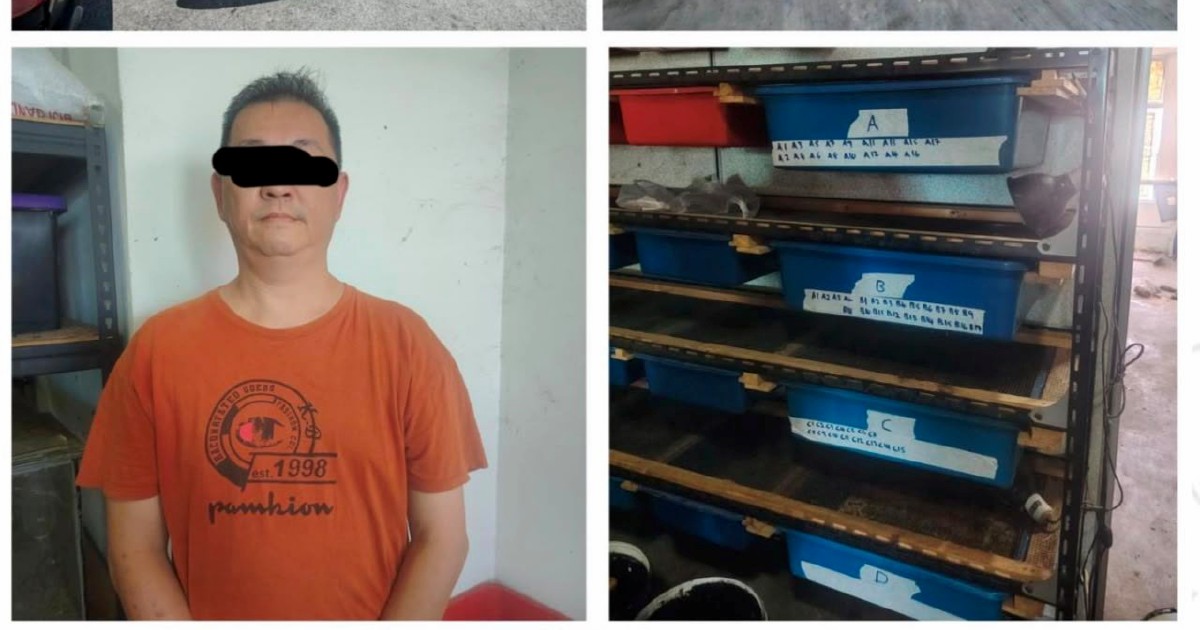
Police in Kedah have arrested a man and seized 89 protected turtles and tortoises following coordinated enforcement operations conducted yesterday at two separate locations in the districts of Lunas and Kulim. The raids represent part of ongoing efforts by law enforcement to combat the illegal trade in endangered reptiles, a persistent problem across Southeast Asia that threatens biodiversity and violates international conservation agreements.
The recovery of nearly 90 animals in a single operation underscores the scale of wildlife trafficking that continues to flourish despite increased regulatory measures. Protected reptile species are highly sought after in underground markets, both domestically and internationally, where collectors and breeders engage in illegal transactions that bypass proper licensing and wildlife permits required under Malaysian law.
Malaysia's wildlife regulations, enforced through the Department of Wildlife and National Parks (Perhilitan), establish strict protocols governing the possession, breeding, and sale of protected species. Turtles and tortoises fall under these protections due to their ecological importance and vulnerability to overexploitation. The arrest signals renewed commitment to enforcement, though critics argue that penalties remain insufficient to deter organised trafficking networks that operate with apparent impunity across the region.
The Lunas and Kulim areas have previously emerged as hotspots for illegal wildlife activities, reflecting their proximity to transport corridors that facilitate movement of contraband toward ports and border crossings. The concentrations of such raids in specific localities suggest that intelligence gathering by authorities has identified these communities as particularly vulnerable to trafficking operations, or that enforcement resources are being strategically deployed based on intelligence.
The condition and species composition of the rescued animals remain important details for assessing both the scope of the operation and the welfare challenges facing authorities. Seized reptiles often require specialised care, including temperature control, proper dietary provision, and medical assessment. Facilities designed to house confiscated wildlife are frequently overwhelmed, creating bottlenecks in the investigative and prosecution process.
Beyond immediate enforcement, the incident highlights systemic vulnerabilities in Malaysia's wildlife protection framework. The reptile trade ecosystem involves multiple actors—smugglers, local dealers, overseas buyers, and facilitators—operating across borders. International coordination with enforcement agencies in neighbouring countries remains crucial, as trafficking routes often leverage weak enforcement in other nations before reaching destination markets in China, Southeast Asia, and occasionally Western countries.
For Malaysian policymakers and conservation advocates, such operations provide opportunities to strengthen both upstream prevention and downstream prosecution. Enhanced penalties for trafficking, improved inter-agency coordination, and greater public awareness campaigns about the consequences of illegal wildlife trade could collectively amplify deterrence. Recent legislative amendments in some countries imposing severe prison sentences have demonstrated partial success in raising the cost of involvement in trafficking networks.
The rise in turtle and tortoise trafficking reflects changing consumer preferences in Asia, where traditional medicine applications and the exotic pet trade continue to drive demand. Species endemic to Malaysia or found in regionally significant populations face particular pressure, as collectors target animals with limited ranges and small remaining populations. This concentration of harvest pressure can rapidly deplete wild stocks, disrupting ecological relationships and triggering cascading effects in affected ecosystems.
The arrested individual's processing through the judicial system will likely take months, during which evidence of intent to sell, breeding records, and financial transactions must be documented and analysed. Successful prosecution depends on investigators establishing clear links between the suspect and specific animals, as well as demonstrating knowledge of their protected status. Increasingly, wildlife trafficking cases involve sophisticated record-keeping and communications through encrypted platforms that complicate evidentiary collection.
This enforcement action arrives amid broader regional challenges regarding wildlife trafficking. Southeast Asia's position as both a source region for trafficked species and a transit corridor for contraband heading toward consuming markets in East Asia makes effective enforcement particularly complex. Cooperation between Malaysian authorities and counterparts in Thailand, Indonesia, and other neighbours requires sustained diplomatic engagement and resource sharing arrangements.
Civil society organisations tracking wildlife crime have noted that while high-profile seizures receive media attention, the vast majority of trafficking operations proceed undetected or result in minimal penalties that fail to disrupt organised networks. Achieving meaningful impact requires not only tactical enforcement successes but also strategic interventions addressing underlying demand drivers and the economic incentives that motivate participation in trafficking chains.
Moving forward, the sustainability of Malaysia's turtle and tortoise populations—both endemic species and migratory marine turtles—depends on complementary conservation and enforcement strategies. Protected area management, community engagement in enforcement, international trade regulation, and demand reduction initiatives must work in concert to address this multifaceted challenge effectively.

