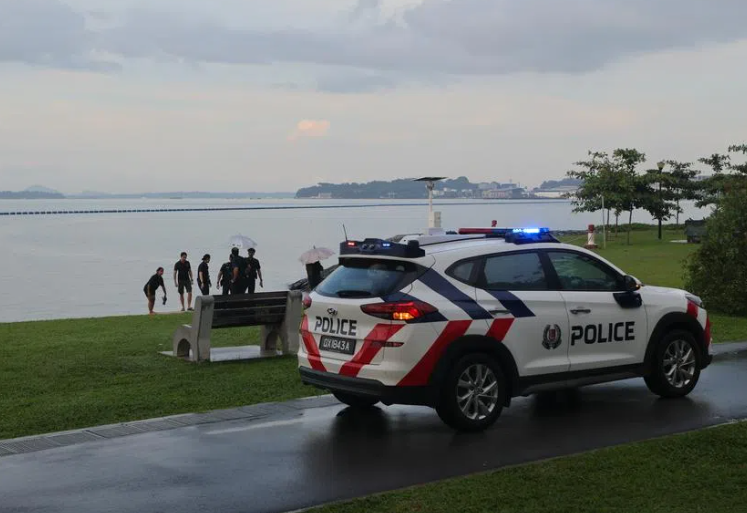
A recreational water sports outing turned tragic on Sunday when a 24-year-old man was fatally struck by lightning while paddleboarding off Pasir Ris Beach in Singapore. The incident, which occurred around 4.50pm on July 5, left six other participants requiring emergency hospitalization. Police confirmed the fatality on July 6, stating that the victim was transported to hospital in an unconscious state and subsequently died from his injuries. Preliminary investigations indicate no suspicious circumstances surrounding the death.
The group had ventured approximately 100 metres into the water for what appeared to be a routine recreational session combining kayaking and paddleboarding activities. According to eyewitness accounts, conditions seemed deceptively safe at the time of the strike, with clear skies overhead when the lightning suddenly descended. Muhammad Fairuz, a 40-year-old delivery rider who was fishing on the beach, described witnessing the moment of impact and feeling electrical current travel through his fishing rod—a reminder of lightning's indiscriminate reach and the voltage involved in such strikes.
Emergency response was swift and coordinated. The Singapore Civil Defence Force transported five victims to Sengkang General Hospital, while two children were taken to KK Women's and Children's Hospital. Among the hospitalised group, five were conscious when transported, though their conditions and injuries remained undisclosed. The rapid deployment of emergency services, including the characteristic red Light Fire Attack Vehicle visible in footage from the scene, underscored Singapore's established protocols for water-based emergencies and lightning incidents.
The rescue effort itself demonstrated the instinctive heroism of bystanders. Fairuz and another fisherman immediately launched their own kayaks to retrieve the unconscious paddleboarder from the water, understanding the critical importance of swift recovery and early intervention. This coordinated civilian-first responder action likely made the difference between immediate recovery prospects and prolonged exposure to potentially dangerous water conditions. The remaining members of the original group managed to paddle themselves back to shore following the strike.
Lightning incidents in tropical and subtropical regions warrant particular attention given regional weather patterns. Singapore experiences an average of 176 lightning days annually according to data from the Meteorological Service Singapore, with measurements taken at the Changi climate station. A lightning day is defined as any day when at least one lightning occurrence is detected, meaning the city-state's residents face regular exposure to electrical storms throughout the year. This frequency demands heightened public awareness about safety precautions during outdoor water activities.
The fatality adds to a troubling pattern of weather-related workplace and recreational incidents in Singapore. Just two months prior in May, a worker at a fish farm lost his life after being struck by lightning—a sobering reminder that vulnerable employment situations may increase risk exposure. In December 2023, three workers were hospitalised following a lightning strike near their worksite, demonstrating that these incidents transcend casual recreational activities and regularly affect industrial and agricultural workers throughout the region.
For Malaysia and other Southeast Asian nations, Singapore's experience underscores the shared vulnerability of the region to electrical storms during monsoon seasons and afternoon thunderstorms. Water sports participants, fishermen, farmers, and outdoor workers across the region face comparable risks, yet public safety campaigns addressing lightning awareness remain inconsistent. The incident raises questions about whether beaches and water sports venues in Malaysia and neighbouring countries have adequate warning systems, evacuation protocols, or lightning detection equipment to alert users of incoming electrical storms.
Meteorological services across Southeast Asia have sophisticated storm tracking capabilities, yet translation of this technical capability into practical public safety measures often lags. The challenge extends beyond merely detecting lightning; effective intervention requires public education about seeking shelter, abandoning water activities when electrical storms approach, and understanding that clear skies do not guarantee safety from distant lightning activity. The Pasir Ris incident occurred with clear overhead conditions, illustrating how lightning can strike from weather systems beyond immediate visual range.
The broader implications for tourism and recreational industries across the region warrant consideration. Water sports including paddleboarding, kayaking, and jet skiing have grown exponentially in popularity throughout Southeast Asia over the past decade. As participation increases, so too does statistical probability of weather-related incidents. Operators, local authorities, and safety organisations must develop comprehensive frameworks addressing lightning risk, similar to existing protocols for rip currents or marine life encounters. Insurance implications and liability questions will likely emerge as weather-related fatalities gain prominence in recreational contexts.

