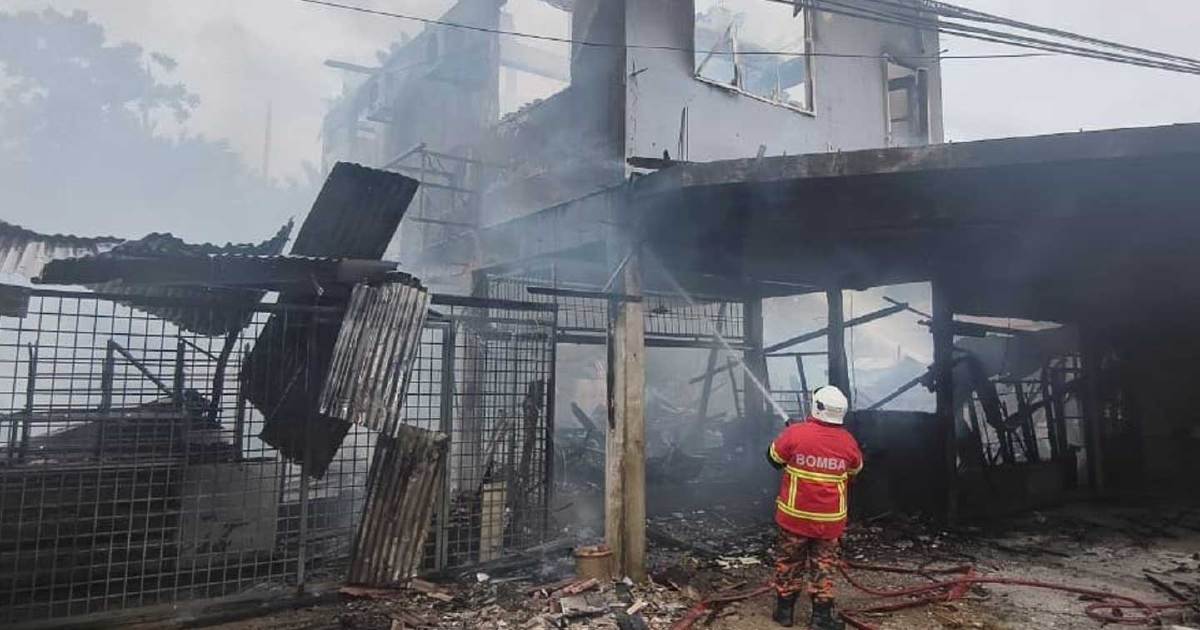
A 36-year-old man arrested in connection with a house fire in Kedah has been ordered held by the court for five days while investigations continue. The suspect, apprehended in Jitra, faces allegations that he deliberately set fire to his mother's residence located in Kampung Sungai Baru, a residential community in the district.
The remand order represents a standard investigative procedure in Malaysia's criminal justice system, allowing law enforcement authorities to conduct intensive questioning and gather evidence during the crucial early stages of the case. During this five-day detention period, police will pursue multiple investigative leads, including forensic analysis of the fire scene, examination of accelerant residues, and witness statements from neighbours and family members who may have observed the incident or its aftermath.
House fire cases involving family members present particular investigative complexities for Malaysian authorities. Determining whether a blaze resulted from accidental causes, negligence, or deliberate action requires meticulous examination of the physical evidence at the scene, including burn patterns, point of origin, and the condition of doors, windows, and other structural elements that might indicate forcible entry or deliberate containment measures.
The Kampung Sungai Baru community in Jitra, located in the northern Kedah region, has experienced this unexpected tragedy at a time when fire safety awareness remains a critical public health concern across Malaysia. Statistics consistently demonstrate that domestic fires represent a significant proportion of reported fire incidents nationally, with many stemming from disputes, financial pressures, or mental health crises affecting family relationships.
Local residents and extended family members may provide crucial testimony regarding the circumstances preceding the fire, including any visible conflicts between the suspect and his mother, patterns of behaviour that might suggest premeditation, or statements the suspect may have made about his intentions. Police will likely coordinate with fire department investigators who examined the scene to establish the fire's origin point and the sequence of events leading to its outbreak.
The five-day remand period also allows investigators to pursue background checks and interview additional witnesses who may have information relevant to the case. Understanding the family's domestic situation, any previous disputes, financial difficulties, inheritance concerns, or documented mental health issues can provide critical context for understanding the suspect's alleged actions and motivations.
Malaysian courts have repeatedly emphasised that setting fire to property, particularly residential dwellings, constitutes an extremely serious offence under the Penal Code, carrying substantial prison sentences upon conviction. Beyond the legal consequences, such incidents profoundly affect entire families and communities, destroying homes, possessions, and sometimes taking lives in the process.
The case highlights broader concerns about family violence and dispute resolution in Malaysian society. Social welfare services and community mediation programmes play vital preventive roles, offering intervention before escalating tensions between family members reach dangerous levels. Neighbours, relatives, and friends who observe warning signs—including substance abuse, financial desperation, or escalating family conflicts—have responsibilities to alert appropriate authorities or seek professional assistance.
Investigators will examine whether the suspect had prior contact with police or social services, previous incidents involving violence or property damage, or documented mental health conditions that might be relevant to understanding his psychological state at the time of the alleged offence. Forensic psychologists can provide expert assessments regarding his mental capacity and culpability under Malaysian law.
The remand decision signals that magistrates identified sufficient prima facie evidence to warrant continued detention while investigations progress. This standard does not presume guilt but instead reflects judicial assessment that reasonable grounds exist to suspect the person's involvement in the alleged crime and that detention serves investigative purposes.
For the broader Jitra community, the incident serves as a reminder of the importance of fire safety precautions, early warning systems in homes, and the availability of psychological support and mediation services before family disputes escalate to dangerous levels. Domestic fire prevention campaigns should emphasise the importance of smoke alarms, clear escape routes, and family emergency plans that protect all residents.
As investigations continue over the coming days, police will compile comprehensive reports documenting physical evidence, witness testimony, and forensic findings that will inform whether formal charges will be filed and what specific offences may be pursued. The judicial process will ultimately determine the appropriate legal consequences based on evidence presented in court.

