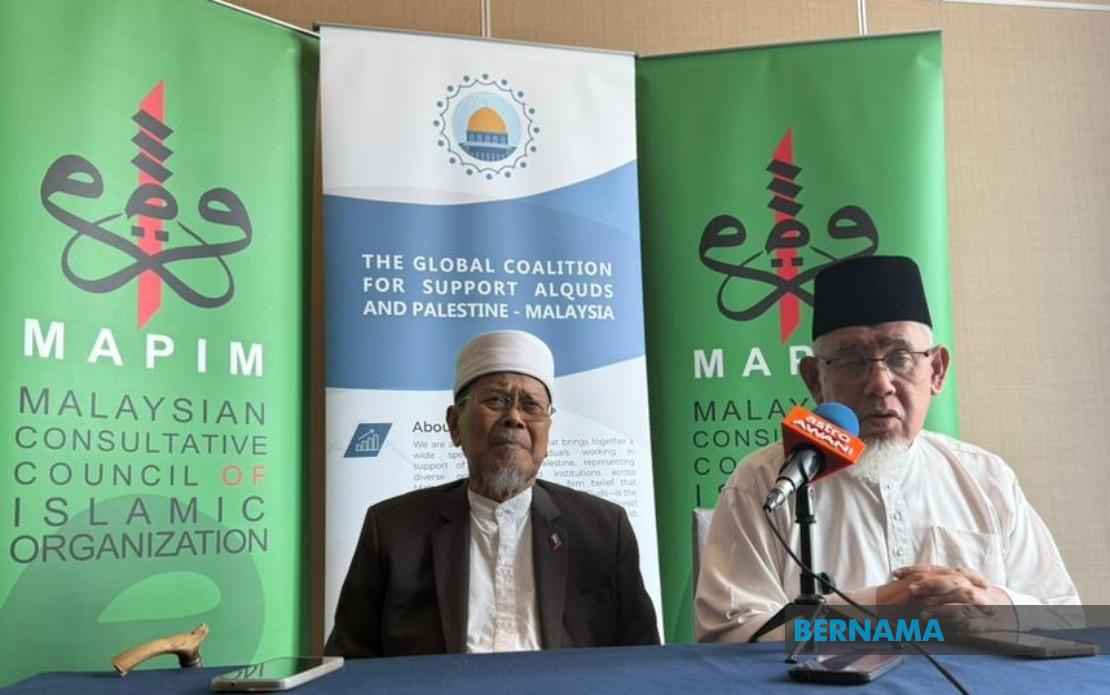
Malaysia's leading Islamic civil society body is mounting an emergency relief operation to Nepal following one of South Asia's deadliest natural disasters in recent years. The Malaysian Consultative Council of Islamic Organisations (MAPIM) announced plans to deploy a humanitarian mission on September 5 to provide immediate assistance to communities devastated by catastrophic flash floods triggered by an avalanche in the Himalayan region.
The scale of the disaster that struck Nepal on August 26 remains staggering. The avalanche-induced flooding unleashed torrents of rock, ice, mud and other debris that tore through mountain valleys with devastating force, obliterating villages and critical infrastructure along one of Asia's most frequented trekking corridors. Initial death tolls exceeded 469 people, with more than 1,400 individuals reported missing, among them nearly 540 foreign nationals caught in the path of destruction. The geographic vulnerability of Nepal's mountain communities, combined with limited early warning systems and difficult terrain, compounded the tragedy significantly.
For Malaysia, the disaster carries particular urgency. The Ministry of Foreign Affairs confirmed that 57 Malaysian nationals remained unaccounted for as of late August 27, based on reports compiled from concerned family members, friends and employers seeking information about their whereabouts. This figure underscores the substantial Malaysian presence in Nepal's tourism sector and mountaineering community, making the Malaysian response both a humanitarian imperative and an issue of direct national concern.
MAPIM president Mohd Azmi Abdul Hamid disclosed the relief mission during remarks at the Regional Mosques Conference 2026 held in Ipoh. He explained that the organisation had already established preliminary contact with Nepal's diplomatic mission in Malaysia to gather situational assessments and coordinate logistics. The initial deployment will involve four MAPIM volunteers tasked with conducting on-ground needs assessments in the most severely affected zones and establishing frameworks for delivering targeted humanitarian support.
The Malaysian approach emphasises strategic partnership and resource optimisation. MAPIM is actively engaging multiple Malaysian non-governmental organisations to participate in the relief effort, aiming to maximise the effectiveness and scope of assistance reaching affected communities. The humanitarian organisation MyCare has confirmed participation, alongside collaboration with two Nepal-based NGOs with established local networks and understanding of ground conditions. This multi-organisational approach reflects growing recognition that complex disaster response requires coordinated action across organisational boundaries and geographic locations.
Emerging needs assessments have already identified priority requirements for the relief mission. Medical supplies represent the most critical immediate need, given the likelihood of trauma injuries, unsanitary conditions breeding infectious disease, and the remoteness of affected mountain communities from adequate healthcare facilities. Following medical support, the distribution of food packages to displaced and surviving victims constitutes the second priority, addressing the acute risk of hunger and malnutrition affecting populations separated from normal supply chains and markets by flood damage.
The timing of Malaysia's response reflects the broader engagement of the international community in Nepal's crisis. The first seventy-two hours following a major disaster are typically decisive for rescue and immediate relief operations, with mortality rates from preventable secondary causes accelerating sharply thereafter. By mobilising within days of the incident, MAPIM positions Malaysian assistance to address the critical window when intervention has maximum lifesaving impact.
Mohd Azmi indicated that formal details regarding MAPIM's mission would be submitted to Prime Minister Datuk Seri Anwar Ibrahim for government awareness and coordination. This procedural step ensures that Malaysian relief efforts align with official diplomatic channels and the broader national response coordinated through the Ministry of Foreign Affairs, strengthening effectiveness and avoiding duplication. Government backing also facilitates logistical support, including potential customs clearances for relief supplies and official recognition that may open additional funding and resource mobilisation pathways.
The MAPIM initiative carries symbolic weight extending beyond immediate relief provision. In articulating the mission's purpose, MAPIM president emphasised that the deployment expresses Malaysian society's solidarity with Nepal and demonstrates the broader humanitarian commitment transcending national boundaries. For regional observers, the response signals Malaysia's positioning as a responsible Southeast Asian actor invested in supporting vulnerable neighboring countries during catastrophic emergencies. This dimension becomes particularly relevant given Nepal's geographic proximity to major Southeast Asian regional powers and the precedent being established for mutual disaster assistance networks.
For Malaysian readers, the situation in Nepal also illuminates broader vulnerabilities affecting tourism and mountaineering industries throughout the Himalayan region. The disaster underscores the elevated risks faced by Malaysian nationals engaging in high-altitude expeditions and trekking activities, prompting reflection on safety protocols, emergency preparedness, and travel advisories. The relief mission itself provides a practical channel through which Malaysian organisations can contribute meaningfully to addressing consequences of natural disasters that increasingly affect communities across Asia due to climate change impacts on mountain environments.
The unfolding response from MAPIM and partnering organisations will likely influence how Malaysian civil society approaches future regional disaster situations. The model being tested in Nepal—combining rapid volunteer deployment with NGO partnerships and government coordination—may establish templates for Malaysian humanitarian engagement throughout South and Southeast Asia. For affected Nepali communities, the Malaysian presence in relief efforts represents concrete expression of international fraternity during an exceptionally dark period.

