Malaysia's Majlis Amanah Rakyat (MARA) has initiated a comprehensive review of its standard operating procedures for student outings at Mara Junior Science Colleges (MRSM) in the wake of an incident involving two missing students. The move comes after two Form Four pupils from MRSM Alor Gajah in Melaka disappeared on August 11, triggering a four-day search that ended when they were discovered near Pasar Seni in Kuala Lumpur. The incident has reignited questions about student welfare and supervision protocols at the prestigious science colleges, which serve as a pipeline for Malaysia's brightest young minds into tertiary education and professional careers.
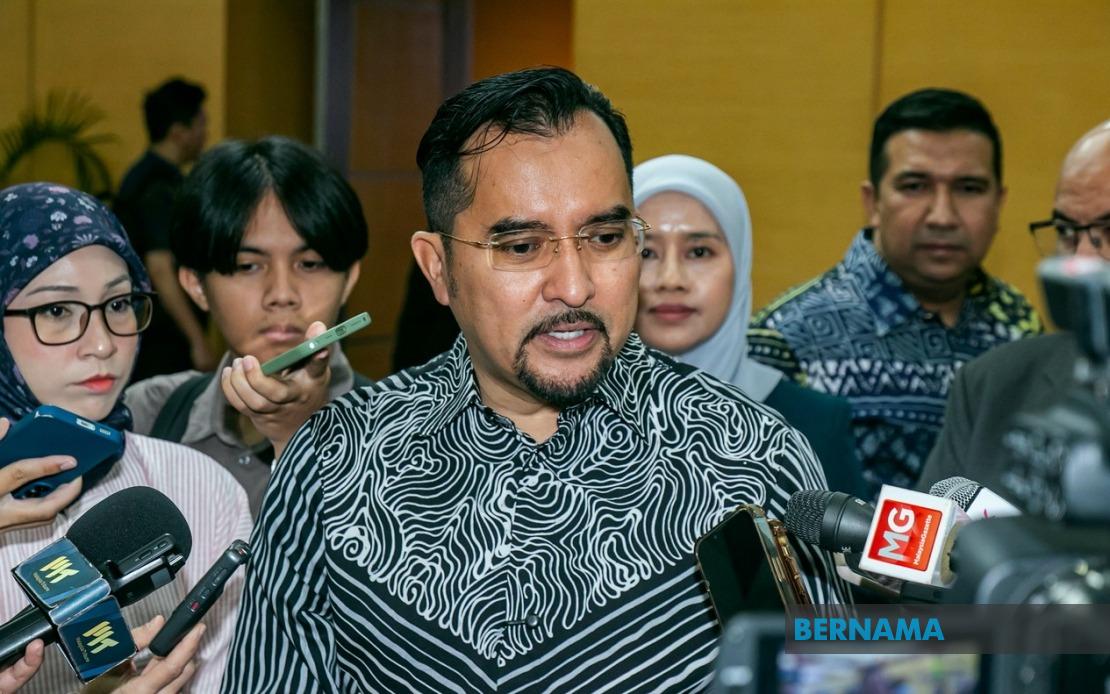
Datuk Dr Asyraf Wajdi Dusuki, MARA's chairman, characterised the incident as an isolated occurrence rather than a systemic failure warranting sweeping policy overhauls. Speaking to journalists following MARA's 2026 pre-departure programme for sponsored students, he emphasised that knee-jerk regulatory responses could undermine the personal development benefits that controlled independence affords young scholars. This stance reflects a delicate balancing act for MARA—maintaining rigorous educational standards whilst avoiding institutional cultures perceived as overly paternalistic or restrictive. The dual tension between duty of care and student autonomy lies at the heart of the ongoing debate surrounding college management practices.
Under existing arrangements at MRSMs, students have traditionally enjoyed scheduled freedom to venture into nearby towns approximately once or twice monthly, provided they adhere to predetermined conditions and travel without mandatory teacher supervision. These outings form part of a broader educational philosophy that treats residential science colleges not merely as academic institutions but as formative environments where adolescents learn self-reliance, judgment, and social responsibility. Asyraf Wajdi's remarks suggest MARA intends to preserve this framework rather than introduce blanket restrictions that might infantilise students or strip away opportunities for character development through managed risk-taking.
The two missing students, both aged sixteen, had initially sought treatment at a health clinic before their disappearance came to light. Upon discovery after four days, one of the pupils required hospital admission following a panic attack, indicating the psychological toll of the experience. This detail underscores vulnerabilities that can arise even amongst academically gifted cohorts, where emotional or psychological distress may precipitate poor decision-making regardless of institutional safeguards. MARA's decision to involve police investigators and conduct preliminary inquiries reflects appropriate institutional response protocols, though Asyraf Wajdi indicated that investigation findings remain confidential pending completion of formal procedures.
The incident has broader implications for how Malaysian boarding schools balance institutional transparency with operational autonomy. Police engagement in the investigation and the hospital admission of one student indicate a situation sufficiently serious to warrant multi-agency attention, yet MARA's leadership appears confident that existing systems require calibration rather than fundamental restructuring. This perspective carries weight given that the vast majority of MRSM students transit their college years without serious incident, and that excessive oversight can itself generate resentment or rebellion amongst intelligent young people chafing against perceived constraints.
For parents and prospective MRSM students, MARA's approach signals commitment to evidence-based policy adjustment rather than reactive panic. The institution's willingness to examine procedures whilst resisting overwrought responses demonstrates institutional maturity and confidence in underlying frameworks. However, the review process itself will likely incorporate stakeholder input from parents, educators, and student representatives, potentially yielding procedural refinements around communication protocols, geographical boundaries for student outings, or enhanced check-in mechanisms that preserve freedom whilst strengthening oversight.
The timing of MARA's statement, coinciding with its pre-departure programme for sponsored students, suggests deliberate messaging aimed at assuring parents and educational stakeholders of institutional competence and responsiveness. By framing the incident as exceptional rather than symptomatic, MARA seeks to prevent reputational damage to MRSM institutions or erosion of public confidence in their capacity to nurture Malaysia's intellectual elite. The colleges draw students from across the country and serve as prestigious preparatory grounds for university entry and professional advancement, making their standing in public perception strategically important.
The broader educational landscape in Malaysia has witnessed periodic debates around student safety and institutional accountability, particularly following high-profile incidents at boarding schools. These conversations typically pit traditionalist approaches—emphasising character development through independence and responsibility—against contemporary safeguarding philosophies stressing comprehensive supervision and risk minimisation. MARA's measured response to the MRSM incident aligns with the former orientation whilst acknowledging the necessity of procedural refinement to address identified gaps.
Looking forward, the review outcomes may include enhanced communication systems between colleges and parent guardians regarding student whereabouts during approved outings, possibly involving mobile check-ins or designated gathering points. Such measures could strengthen institutional oversight without fundamentally altering the educational model that has served Malaysia's scientific and technical talent development for decades. The challenge lies in implementing changes that reassure concerned families whilst respecting student maturation and the developmental benefits of measured autonomy.
Ultimately, MARA's approach reflects institutional judgment that one isolated incident, however worrying, should not dictate wholesale policy reversal at institutions serving hundreds of students annually across multiple campuses nationwide. This stance rests on confidence that most students navigate approved outings responsibly and that the personal growth fostered through structured freedom justifies accepting residual risks inherent in any educational environment. As the formal review progresses, MARA will likely emerge with refined rather than revolutionary protocols, positioning MRSM colleges as institutions capable of learning from difficult episodes whilst preserving their foundational commitment to developing mature, independent-minded Malaysian leaders.

