Majlis Amanah Rakyat (MARA) is moving to strengthen institutional discipline and character development across its network of junior science colleges by introducing a dedicated cadre of full-time wardens drawn from the ranks of retired military personnel. The initiative will be rolled out incrementally, starting with 10 MARA Junior Science Colleges (MRSM) in 2024 before expanding systematically to encompass all 58 colleges nationally from January 2025 onwards. Each campus will eventually have a complement of four wardens—two male and two female—all selected from former military backgrounds.
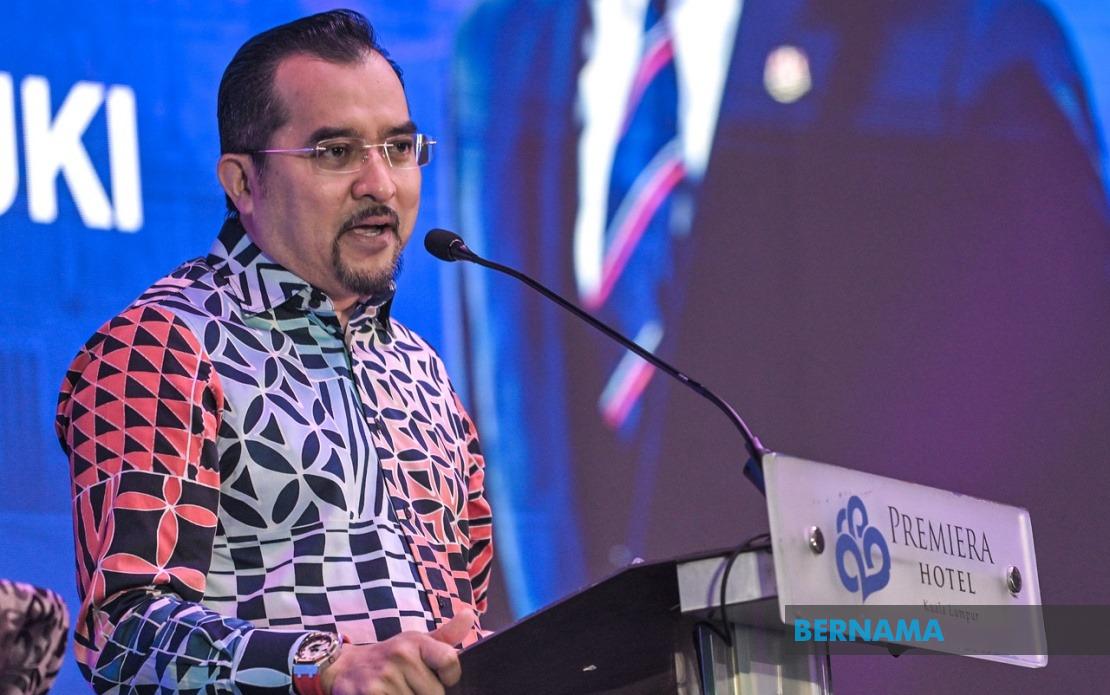
Mara chairman Datuk Dr Asyraf Wajdi Dusuki unveiled the plan at the 2026 MARA Educators' Awards Day ceremony held at Premiera Hotel in Kuala Lumpur. He explained that the recruitment process for male candidates has already concluded, with female warden selections expected to be finalised within the week. The strategic decision to recruit from the military reflects institutional recognition that former service personnel bring substantial expertise in discipline and structured leadership, qualities increasingly difficult for regular teaching staff to sustain given their primary pedagogical responsibilities.
The underlying rationale for recruiting military-trained individuals centres on the observation that teachers, constrained by their classroom obligations and curriculum demands, cannot reasonably assume additional full-time residential duties. By introducing dedicated wardens, MARA seeks to redistribute the workload whilst maintaining high standards of student conduct and moral development. The vetting process itself involved rigorous collaboration with the Malaysian Armed Forces and allied government agencies, ensuring that only individuals with exemplary service records and sterling personal conduct were considered for appointment.
This institutional investment reflects MARA's broader commitment to character formation alongside academic excellence. The organisation has consistently articulated a philosophy that educational outcomes extend well beyond examination results and technical competency. In discussing the initiative, Asyraf Wajdi emphasised that MARA refuses to compromise on discipline, ethics and moral foundation-building, viewing these as non-negotiable pillars of graduate preparation. The rationale recognises that residential colleges, by their nature, provide formative environments where young people develop habits, values and interpersonal capabilities that shape their futures as citizens and professionals.
Beyond the warden deployment, MARA's broader educational landscape presents encouraging indicators of institutional vitality. The organisation's Technical and Vocational Education and Training (TVET) stream has achieved particularly noteworthy outcomes, with graduate employment rates reaching 99.1 percent. This near-universal placement rate suggests that MARA's vocational curriculum aligns effectively with industry demands, a critical consideration in an increasingly competitive labour market where skills mismatches frequently plague education-to-work transitions across Southeast Asia.
Moreover, MARA TVET graduates are commanding wage premiums that reflect their technical proficiency and workplace readiness. Recent recruitment partnerships illustrate this advantage vividly. Samsung, for instance, recruited 700 MARA graduates with starting salaries set at RM3,500—a figure substantially above typical entry-level compensation in Malaysian technical sectors. Such premium wages signal that employers recognise MARA-trained individuals as particularly valuable assets, possessing not merely theoretical knowledge but practical, immediately-deployable skills aligned with contemporary industrial requirements.
These employment outcomes carry particular significance for Malaysian policymakers and regional observers tracking human capital development. At a moment when Southeast Asian economies face intensifying competition for manufacturing investment and technological advancement, demonstrated capacity to produce job-ready graduates becomes a competitive asset. MARA's track record suggests that Malaysia has developed institutional structures capable of generating workforce talent that commands private-sector confidence and premium compensation, positioning the nation favourably within regional labour market hierarchies.
The five MRSM institutions recognised as top performers in last year's Sijil Pelajaran Malaysia (SPM) examination will receive enhanced support through newly-allocated excellence programmes funded at RM145,000. This targeted investment acknowledges that high-performing institutions merit additional resources to sustain and amplify their achievements. The allocation strategy reflects best-practice approaches to educational development, where resources are directed toward institutions demonstrating capacity to convert investment into measurable outcomes, thereby concentrating support where impact potential is maximised.
The phased rollout beginning with 10 colleges represents a measured implementation approach that allows MARA to monitor outcomes, refine procedures and identify best practices before full-scale deployment across the entire network. This measured pace enables the organisation to assess how ex-military personnel adapt to educational institutional contexts, how students respond to this staffing model, and whether anticipated discipline and character development outcomes materialise as envisioned. The sequential approach mitigates implementation risks whilst generating evidence to inform future refinements.
For Malaysian families with children in MRSM institutions, the initiative signals institutional commitment to safeguarding residential college environments and maintaining conditions conducive to balanced adolescent development. Parents increasingly prioritise secure, well-managed boarding facilities where young people encounter consistent mentorship and structured routines. The deployment of dedicated wardens directly addresses these parental expectations, offering reassurance that residential colleges remain pedagogically and duty-of-care focused rather than becoming merely accommodation facilities.
Regionally, MARA's strategic positioning within Malaysia's education ecosystem reflects broader trends across Southeast Asia toward specialised institutional pathways. Countries throughout the region have increasingly recognised that diverse student populations require varied educational approaches—academic, technical, vocational and residential pathways all serving distinct roles within comprehensive education systems. MARA's evolution as a multi-stream provider of technical, vocational and academic excellence demonstrates how Malaysian institutions have adapted institutional structures to align with contemporary labour market demands and student diversity, offering lessons potentially relevant to counterparts elsewhere in Southeast Asia navigating similar transitions.

