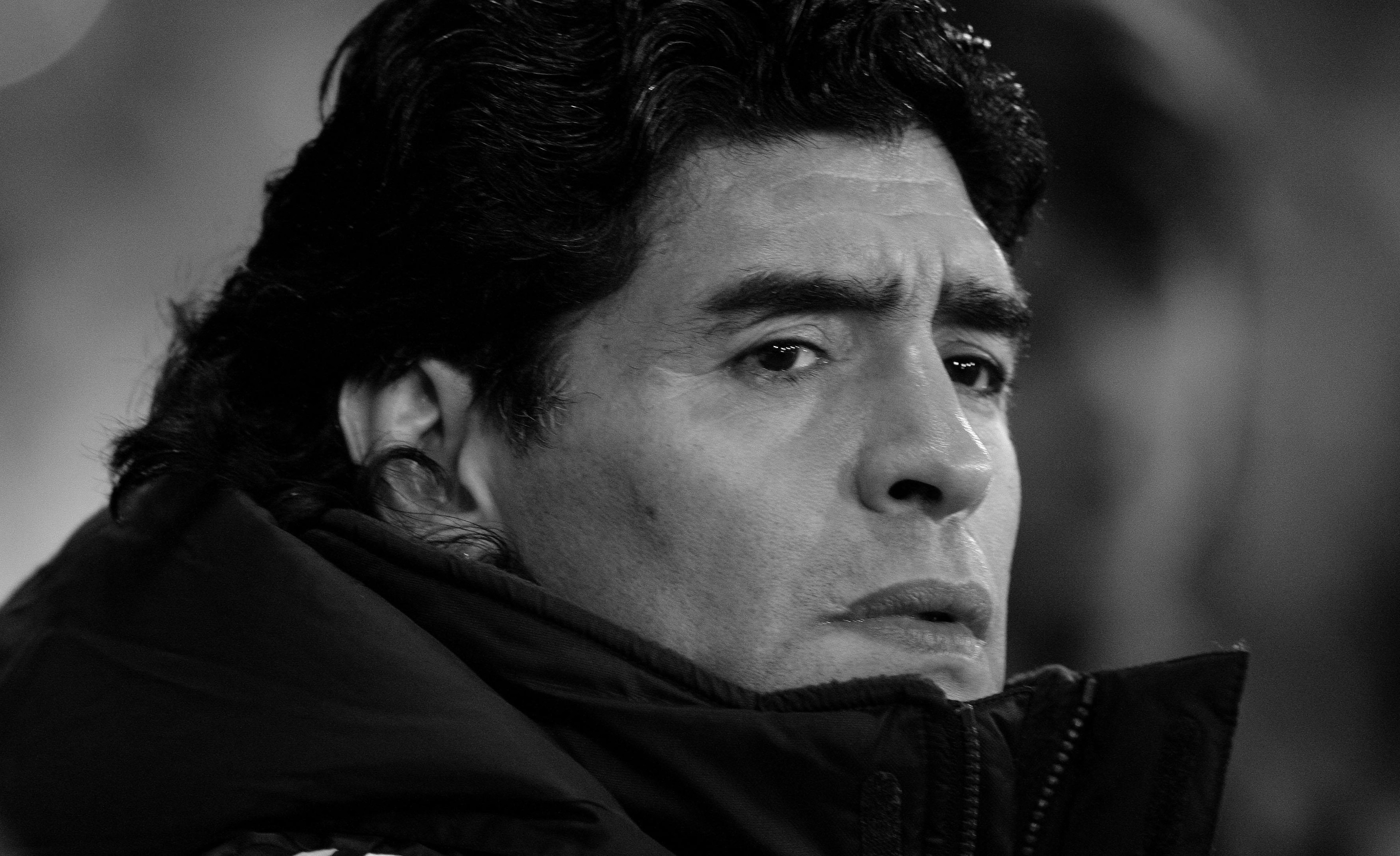
The ongoing legal proceedings investigating the circumstances surrounding Diego Maradona's death have encountered a significant procedural setback, with the court suspending hearings for one week following the discovery of a critical administrative error involving medical documentation. According to reports cited by the German Press Agency, kidney test results that ought to have been attributed to Maradona's father, also named Diego, were incorrectly linked to the legendary Argentine footballer, who suffered a fatal heart attack on November 25, 2020. The confusion in medical records has necessitated the court to issue an order for seizure of the authentic medical documentation to establish an accurate evidentiary foundation for the trial.
Maradona, the iconic captain of Argentina's 1986 FIFA World Cup-winning team, passed away at his residence following complications related to a cardiac event. The circumstances surrounding his death have become the subject of intensive judicial scrutiny, with prosecutors constructing a case that alleges negligence and mismanagement during his final months. The investigation has centred on whether those responsible for his medical care failed to provide adequate supervision and appropriate treatment protocols during his vulnerable period at home.
The medical misadventure involving the test results represents a troubling development in a trial that has already experienced significant disruption. Maradona underwent brain surgery merely weeks before his fatal heart attack, creating a complex medical picture that requires meticulous documentation and verification. The erroneous attribution of his father's kidney test results to the footballer—whose father died in 2015—introduces questions about the reliability of other documentation within the case file and underscores the importance of rigorous administrative oversight in high-profile criminal proceedings.
Seven individuals face manslaughter charges in connection with Maradona's death, including his personal physician Leopoldo Luque, psychiatrist Agustina Cosachov, and an additional psychologist. Two further medical professionals involved in his care coordination, a representative from his health insurance provider, and two caregivers have also been accused of criminal negligence. All defendants have consistently maintained their innocence and rejected the allegations levelled against them by prosecutors.
The investigative focus has concentrated on identifying serious lapses in the at-home care provided to Maradona during the final phase of his life. Prosecutors contend that inadequate monitoring, insufficient medical intervention, and potentially inappropriate prescription practices contributed to circumstances that culminated in his death. The case represents one of Argentina's most closely watched legal matters, given Maradona's monumental status within global football culture and his enduring significance to the nation's sporting identity.
This suspension marks the second major procedural disruption affecting the trial's progress. Previous proceedings were entirely invalidated in May of the preceding year after just twenty-one days of testimony, following the discovery that one member of the three-judge panel had participated in an unauthorised documentary film production focused on the trial itself. That judge's involvement in the unauthorised documentary created an irreconcilable conflict of interest, necessitating the termination of the initial trial and its complete restart from its foundation.
The pattern of administrative and procedural obstacles has frustrated efforts to bring closure to a matter that continues to captivate public attention across Argentina and internationally among football enthusiasts. The medical records confusion exemplifies broader challenges that often emerge in complex criminal cases involving multiple defendants, intricate medical evidence, and high public interest. The requirement to seize and properly verify authentic medical documentation suggests that gaps may exist in the chain of custody or organisation of evidence initially presented to the court.
For observers following the case, these repeated delays underscore the complexity inherent in prosecuting medical negligence cases where establishing causation requires expert analysis of sophisticated medical evidence. The involvement of multiple healthcare professionals with varying levels of responsibility further complicates the prosecutorial narrative and defence strategies. Each defendant's legal team will likely cite the records confusion as evidence of broader evidentiary problems that could undermine the crown's case.
The trial's trajectory demonstrates how even high-profile cases can become mired in procedural complications that have nothing to do with the substantive guilt or innocence of the accused. The suspension provides an opportunity for the court to establish more robust document management protocols and ensure that all medical evidence is properly verified before resuming substantive proceedings. As the investigation continues, the pressure mounts on the judicial system to deliver a verdict that adequately reflects both the facts surrounding Maradona's death and the legal principles governing criminal responsibility in cases involving medical care.

