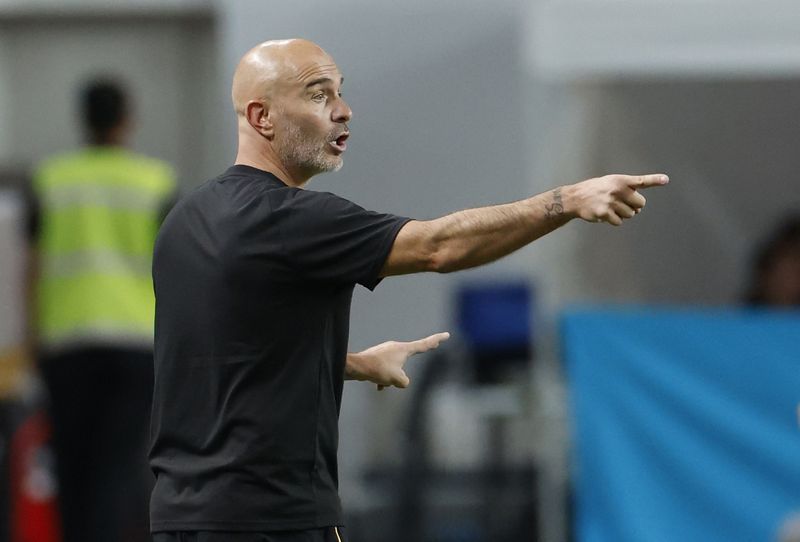
Manchester City embarks on an unfamiliar chapter this season, entering competition without Pep Guardiola directing operations from the technical area for the first time in ten years. The departure of the Spanish manager concludes an era of unprecedented achievement, during which City captured six Premier League championships, claimed the Champions League trophy, and became the unrivalled powerhouse of English football. Enzo Maresca, the newly appointed head coach, inherits a squad brimming with world-class talent but shoulders the substantial responsibility of maintaining City's position atop the English game after a decade defined by Guardiola's revolutionary influence.
Maresca arrives at the Etihad Stadium with intimate knowledge of the club's operations and philosophy. The 46-year-old Italian spent time within City's coaching structure during their treble-winning campaign, providing him with a backstage understanding of the club's methods and culture. Subsequently, he demonstrated managerial acumen by securing Leicester City's return to the Premier League and achieving cup success at Chelsea, credentials that persuaded City's decision-makers he possessed the credentials to navigate this critical transition period. His appointment represents continuity rather than upheaval, reflecting the club's preference for evolution rather than revolution.
The strategic choice to appoint Maresca signals City's commitment to preserving the tactical framework that generated sustained excellence. The club has deliberately selected a manager steeped in positional play, possession-based football, and tactical adaptability—the very cornerstones that defined Guardiola's tenure. City's supporters should anticipate recognisable patterns of play and familiar structural approaches on the pitch. However, Maresca must walk a delicate line between respecting established principles and asserting his own coaching identity quickly enough to demonstrate his autonomy and vision to players and supporters alike.
The squad awaiting Maresca remains among Europe's most formidable assemblies. Norwegian striker Erling Haaland, who has topped the Premier League scoring charts in three of the past four seasons, provides a guaranteed supply of goals that any manager would covet. Midfielder Rodri serves as the tactical fulcrum of City's system, orchestrating play through his exceptional passing range, positioning intelligence, and defensive discipline. His recent contribution to Spain's World Cup triumph, which earned him the tournament's Golden Ball, underscores his status as one of world football's elite midfielders, though Barcelona's persistent interest adds an element of uncertainty to his future at the club.
City have bolstered their playing resources with the acquisition of England midfielder Elliot Anderson from Nottingham Forest, reportedly costing £116 million. Anderson brings intensity to ball-winning duties, midfield energy, and depth to the centre of the park—attributes that strengthen City's ability to control matches across multiple competition fronts. Beyond Anderson, emerging prospects such as Rayan Cherki and Nico O'Reilly represent youthful alternatives who can inject fresh impetus into the squad. These additions demonstrate City's intention to maintain competitive depth and tactical flexibility across an entire campaign involving multiple tournaments.
Yet the roster transitions present genuine complications. The departures of long-serving figures Bernardo Silva and John Stones represent the loss of accumulated experience and dressing-room leadership that proved invaluable during City's sustained period of dominance. Players who endured multiple seasons under Guardiola's methods, understood his expectations implicitly, and commanded respect through longevity now require replacement. The younger players inheriting prominent roles must develop the maturity and consistency previously provided by these departing veterans, a process that typically demands several months to complete successfully.
Last season's outcome illuminates the magnitude of Maresca's challenge. While winning the domestic cup double would satisfy most clubs' ambitions, finishing second to Arsenal in the Premier League constituted a disappointment that underscored the elevated standards Guardiola established. The Spanish manager's farewell campaign, whilst productive in trophy terms, felt anticlimactic given the relentless title success that preceded it. This historical context establishes the baseline expectation surrounding Maresca's tenure: the club's hierarchy and fanbase demand an immediate championship challenge, not merely respectable performances or periodic trophy wins.
The fundamental question preoccupying City's planning concerns the speed and smoothness of adaptation following Guardiola's departure. The departing manager's influence transcended tactical instruction or match-day decisions; his presence profoundly shaped institutional culture, training philosophy, player development pathways, and the psychological environment permeating the entire organisation. Maresca's prior exposure to City's environment provides obvious advantages, yet a material distinction separates serving as a trusted assistant to the visionary architect from shouldering sole responsibility for the entire project. His familiarity with City's structures should facilitate the transition, but familiarity alone cannot guarantee seamless implementation of his own ideas.
Many City players return to pre-season training having recently completed World Cup commitments, potentially delaying the physical and mental preparation typically required before competitive matches commence. This staggered availability may necessitate an adjustment period during which Maresca acquaints himself with squad dynamics, establishes training routines, and develops tactical patterns that players can reliably execute. Nevertheless, City remain considered frontline contenders across every competition they will contest, reflecting the exceptional quality embedded throughout the squad. The competitive calendar offers no grace period for underperformance, intensifying pressure on Maresca to establish effectiveness immediately.
Maresca's pathway to success involves synthesising continuity with sufficient innovation to refresh a squad that has operated under singular managerial direction for a decade. The players require reassurance that fundamental philosophies remain intact whilst simultaneously observing new tactical emphases, fresh training methodologies, or innovative strategic approaches that distinguish Maresca's tenure. Should he accomplish this difficult balance effectively, Manchester City possesses sufficient talent to rapidly reassert dominance over English football and mount serious challenges across continental competitions. The club's season opener against Bournemouth on August 23 provides the immediate opportunity to demonstrate that the transition has commenced successfully and that City's period of dominance remains firmly intact.

