The financial world shows no signs of slowing down as August progresses, with currency markets, geopolitical negotiations, and economic data releases commanding investor attention across multiple continents. Rather than enjoying a traditional summer lull, traders and policymakers face critical decisions that will reverberate through global markets and affect everything from fuel prices to employment expectations in the months ahead.
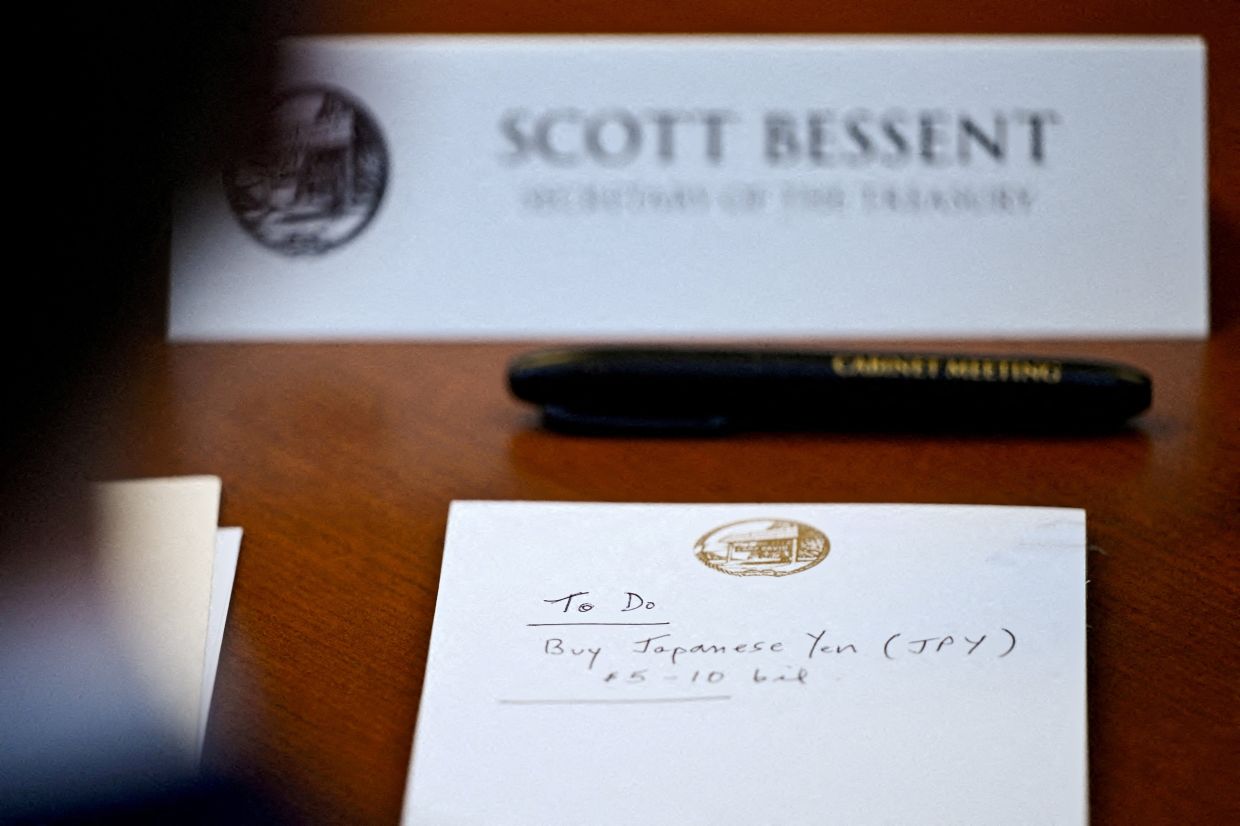
Japan's currency crisis presents one of the most pressing concerns. The yen has tumbled to levels unseen in four decades, a development that carries real consequences for Japanese households and businesses dependent on imported energy. This weakness arrived at precisely the wrong moment, as the world grapples with energy supply concerns that keep fuel prices elevated globally. The appearance of U.S. Treasury Secretary Scott Bessent's handwritten notes mentioning yen purchases, combined with coordinated U.S.-Japanese intervention in foreign exchange markets, signals serious concern in Tokyo about further currency deterioration. However, the mechanics of this intervention raise questions that extend beyond simple currency support. The choice to use euros rather than dollars in the operation has sparked analyst debate about whether the U.S. Treasury fears that traditional dollar-based intervention might strain Treasury bond markets if foreign central banks rush to sell American debt holdings to finance their support operations. This reflects deeper anxieties about the dollar's long-term standing as the world's reserve currency.
Foreign exchange traders remain fixated on two unresolved questions that will shape near-term market direction. The first concerns whether Japan's central bank will signal an interest rate increase in September, with recent meeting minutes strengthening the case for such a move. Rate increases typically support currencies by making deposits and investments more attractive, so a clear commitment to tightening could stabilize the yen without requiring further emergency interventions. The second question involves the sustainability of currency support operations themselves. Markets wonder whether repeated interventions, however well-coordinated, can permanently reverse a currency's long-term weakness when fundamental economic factors remain problematic. These uncertainties ensure that yen volatility will persist as a key market-moving variable throughout the coming weeks.
In the Middle East, tentative negotiations between Iran and Oman have sparked modest optimism about stabilizing shipping in the crucial Strait of Hormuz, though confidence in any agreement remains cautiously restrained. Yemen's Houthi militias, which receive backing from Iran, have conducted repeated attacks on tankers and regional infrastructure, targeting both the vital Strait of Hormuz and the Red Sea alternative shipping route. These attacks have persisted through nearly half a year of regional conflict, demonstrating the militias' sustained capability and commitment. Notably, the current round of talks excludes direct American participation or explicit endorsement, a diplomatic positioning that allows flexibility but also leaves outcomes uncertain. For the Biden administration, the timing of any arrangement carries political weight. With less than five months remaining before midterm elections, the White House would welcome evidence of progress on energy security. American gasoline prices stubbornly remain above four dollars per gallon—a figure that shapes public sentiment on inflation even as broader price indices show improvement from their peaks. Any interim agreement that reduces tensions and stabilizes shipping could provide modest relief at the pump, offering political benefit regardless of the arrangement's long-term durability.
Markets may tolerate temporary compromises on the Gulf situation because investor sentiment increasingly focuses on earnings growth and the transformative potential of artificial intelligence technologies. This optimism, though tempered by awareness of real geopolitical risks, appears sufficient to encourage market participants to accept near-term expedients on the strait question rather than demanding comprehensive solutions. This reflects a broader market psychology where medium-term growth expectations can temporarily override concerns about immediate instability.
The Wednesday release of July consumer price inflation data in the United States carries exceptional significance because it arrives amid mixed economic signals that leave the Federal Reserve genuinely uncertain about its next policy move. Economists surveyed by Reuters expect the headline consumer price index to show annual growth of 3.4 percent, with core inflation—stripping out volatile food and energy components—rising 2.5 percent year-on-year. These figures would remain uncomfortably above the Federal Reserve's stated two percent target, yet the previous month's data surprised on the downside, suggesting disinflationary pressures may be strengthening. Producer price data released Thursday will provide crucial additional evidence about underlying inflation trends throughout the economy. The Fed has held interest rates steady in recent meetings, though three policymakers dissented in favour of immediate increases, indicating genuine internal debate about appropriate policy. Market pricing currently assigns approximately forty percent probability to an interest rate increase at the Federal Reserve's September gathering, though this could shift dramatically depending on Wednesday's inflation numbers.
Australia's economic situation presents a contrasting picture. The Reserve Bank of Australia will maintain its current interest rate when it meets Tuesday while policymakers carefully evaluate whether earlier tightening measures have adequately contained inflation. Recent data showed consumer prices accelerating more slowly during the June quarter, but Reserve Bank Governor Michele Bullock has pointedly noted that authorities stand ready to raise rates again if inflation pressures resurface. Analysts expect the RBA to maintain a hawkish rhetorical stance even while pausing rate increases, signaling that further tightening remains possible rather than ruling it out. Similarly, Norway's central bank, Norges Bank, meets Thursday expecting to hold rates steady after the country's core inflation decelerated in June. Both decisions reflect a pattern where central banks across developed economies have tightened policy substantially and now seek evidence that inflation is genuinely declining before committing to additional increases.
Britain enters this crucial data week under new political leadership following Prime Minister Andy Burnham's ascension to office in July. The release of second-quarter gross domestic product data on Thursday carries heightened significance for the new government seeking to establish economic credibility. June's monthly GDP figures could surprise positively, supported by strong retail sales linked to both the soccer World Cup and unseasonably warm weather. Energy prices also benefited temporarily from brief diplomatic overtures between the United States and Iran, providing a transient boost to economic activity. However, the broader quarterly picture appears less encouraging. Strong growth during the first quarter of the year deteriorated significantly during April and May, suggesting economic momentum decelerated notably. Burnham will hope for economic surprises similar to those that blessed the eurozone, where preliminary figures showed second-quarter growth exceeding economist expectations. An updated eurozone estimate arriving the same day could confirm whether that bloc's economic strength represents genuine momentum or temporary statistical revision.

