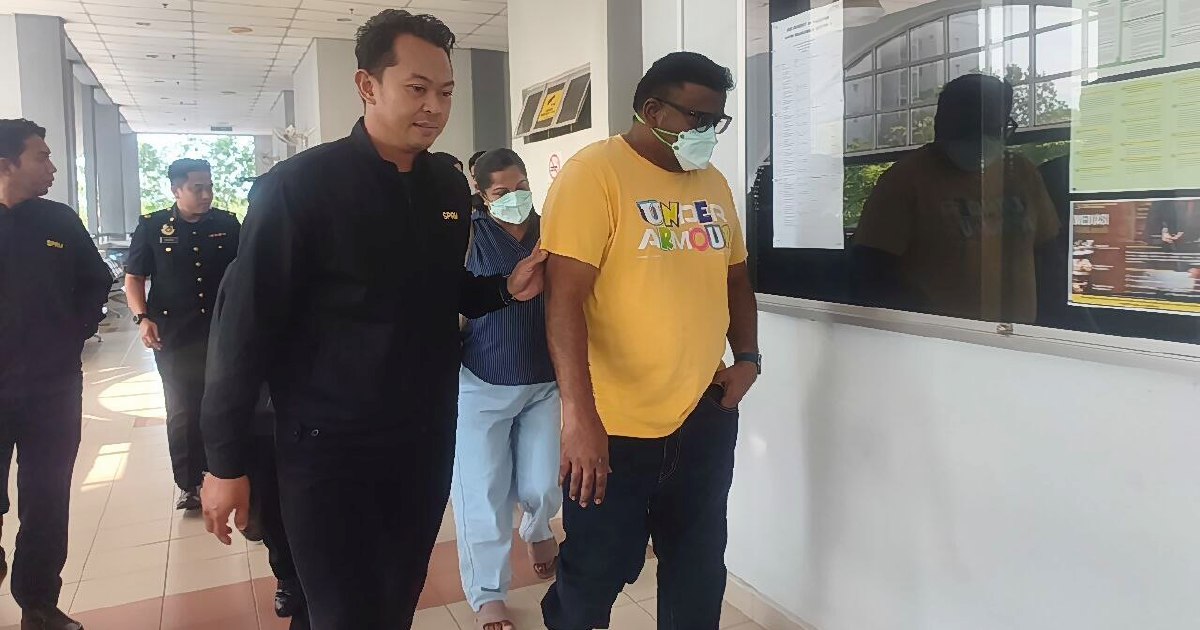
Three individuals appeared before the Sessions Court in Seremban on charges linked to fabricated claims submitted to the Social Security Organisation (Perkeso), with the defendants entering not guilty pleas to all allegations. The case centres on accusations that the trio conspired to file false incentive applications, drawing attention to a growing pattern of fraud targeting Malaysia's principal worker protection and benefits agency.
The involvement of a married couple among those charged suggests potential schemes where close family ties may be leveraged to circumvent standard verification procedures at Perkeso. Such cases highlight how fraudsters exploit personal relationships and shared documentation to make deceptive claims appear credible or to access benefits through multiple channels using interconnected identities and addresses.
The nature of incentive claims under Perkeso typically relates to benefits extended to employers or workers meeting specific employment criteria or rehabilitation standards. These schemes are designed to encourage workplace safety compliance, worker training initiatives, and employment of vulnerable groups. When individuals submit false documentation or misrepresent their eligibility, they directly undermine these social protection objectives while diverting finite resources away from genuinely qualified beneficiaries.
For Malaysian workers and employers, fraud cases of this magnitude raise practical concerns about Perkeso's internal verification systems. The social security body processes hundreds of thousands of claims annually, and its effectiveness in detecting irregularities before disbursement significantly impacts both programme costs and public confidence. When fraud proceeds undetected, the financial burden falls on the overall system, potentially driving higher contribution rates for legitimate participants.
The proceedings at Sessions Court will require prosecutors to establish that the accused parties deliberately submitted false information rather than being victims of clerical errors or miscommunications. The decision by all three defendants to plead not guilty indicates they intend to contest the allegations fully, potentially prolonging the case and allowing the court to examine the evidence in detail before rendering judgment.
Perkeso's role as Malaysia's integrated social protection provider—covering employment injury, invalidity and occupational disease insurance—makes it essential that its administrative integrity remains robust. Public trust in the organisation depends not only on efficient processing of legitimate claims but also on visible enforcement against those who attempt to exploit the system through fraudulent means.
For Southeast Asian observers, this case reflects broader challenges in social security administration across the region, where rapid claims processing sometimes conflicts with rigorous fraud prevention. Many national schemes across the Association of Southeast Asian Nations struggle to balance accessibility with accountability, particularly as digital submission methods expand the potential surface area for fraudulent applications.
The specific context of incentive claims versus standard benefit disbursement may carry significance for how the court evaluates culpability and sentencing considerations. Incentive programmes often operate under different regulatory frameworks than core social insurance benefits, potentially exposing them to novel exploitation methods that administrators have not yet fully anticipated or controlled.
As the case progresses through the court system, attention will likely focus on what documentary evidence the accused individuals submitted, how Perkeso's verification officers assessed the claims initially, and at what point in the process irregularities were detected. These details will inform whether gaps existed in Perkeso's internal controls or whether the fraud was sophisticated enough to evade standard checks altogether.
The conviction or acquittal of these three defendants may set important precedent regarding what constitutes abetting in false Perkeso claims, particularly for those who facilitate applications without directly submitting them. Legal clarity on conspiracy liability in social security fraud helps prosecutors develop stronger cases against enablers and intermediaries who profit from schemes without directly facing beneficiaries.
For Malaysian employers and workers relying legitimately on Perkeso support, the prosecution of fraud cases sends an important deterrent message, though public awareness campaigns remain necessary to educate the population about the legal and financial consequences of submitting false claims. Education initiatives that explain verification procedures may also help innocent people avoid inadvertently supporting fraudulent applications by family members or associates.

