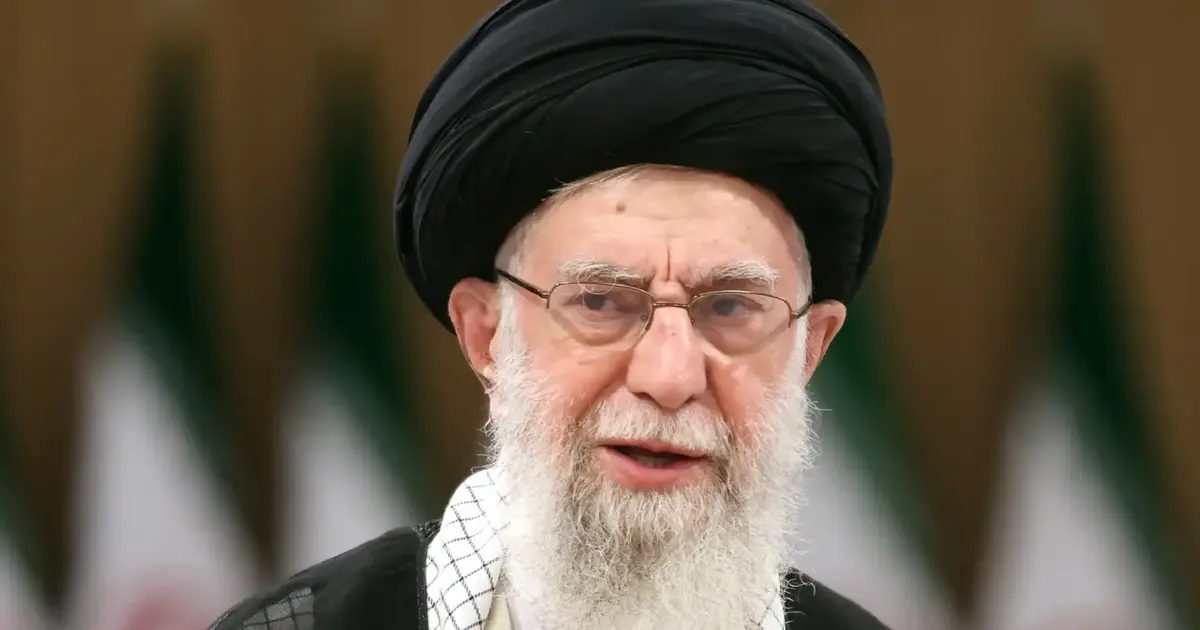
Malaysia will send Agriculture and Food Security Minister Mohamad Sabu to attend the funeral of Iran's Supreme Leader Ali Khamenei in Tehran tomorrow, Prime Minister Anwar Ibrahim confirmed. The decision reflects the significance of bilateral relations between Malaysia and Iran, two Muslim-majority nations with historical diplomatic ties and shared interests in regional affairs.
Sabu's attendance represents an important gesture of respect toward Iran following the death of Khamenei, who led the Islamic Republic for 34 years until his passing. As a senior member of Malaysia's cabinet, his presence underscores Kuala Lumpur's commitment to maintaining cordial relations with Tehran despite broader geopolitical tensions in the Middle East. The funeral is expected to draw dignitaries and representatives from numerous nations, making it a significant international gathering.
The selection of Sabu, who heads the Ministry of Agriculture and Food Security, carries particular resonance given Malaysia's agricultural sector's connections to Iran. Both nations have explored cooperation in food production and security matters, areas increasingly vital to regional stability as global supply chains face disruption. Sabu's participation may also provide an opportunity to discuss bilateral trade and agricultural development initiatives that benefit both countries.
Iran has long maintained diplomatic relationships across the Islamic world and beyond, and Malaysia's participation in state ceremonies reflects the diplomatic protocol observed among nations. The funeral procession and associated ceremonies in Tehran are likely to showcase Iran's internal dynamics and international standing during a period of transition in its leadership structure. Malaysia's representation demonstrates its engagement with major Islamic nations regardless of regional political divisions.
Anwar's announcement of the delegation came as preparations intensified in Tehran for what officials expect to be one of the largest state funerals in recent years. Khamenei's death marks a pivotal moment for Iran, as the country navigates questions about succession and future direction. International attendance at such ceremonies serves both symbolic and practical purposes, allowing nations to express solidarity while maintaining diplomatic channels during sensitive transitions.
The decision to send a cabinet-level official rather than a lower-ranking representative suggests Malaysia views the occasion with considerable importance. Such choices in diplomatic protocol communicate volumes about how governments prioritize their relationships. By selecting Sabu, Anwar signaled that Malaysia takes its engagement with Iran seriously and respects the historical significance of Khamenei's leadership in Iranian and regional affairs.
Malaysia's relationship with Iran has evolved over decades, encompassing cultural exchanges, trade partnerships, and coordination within Islamic and non-aligned forums. Both nations share membership in organizations such as the Organisation of Islamic Cooperation, which provides frameworks for cooperation on issues affecting Muslim populations globally. Sabu's attendance therefore fits within a broader pattern of Malaysian engagement in Muslim-majority world affairs.
The timing of the funeral, taking place amid continued regional tensions and international scrutiny of Iran's regional role, makes Malaysia's participation noteworthy. By attending, Kuala Lumpur demonstrates that it maintains pragmatic relationships with all major powers and refuses to allow geopolitical divisions to override fundamental diplomatic respect. This approach aligns with Malaysia's traditional foreign policy orientation of balancing relationships across competing interests and maintaining neutrality in conflicts not directly affecting national security.
For Southeast Asian observers, Malaysia's decision reflects the region's broader approach to international relations. Unlike Western nations that have heavily sanctioned Iran, ASEAN countries have generally pursued engagement strategies that keep diplomatic channels open. Malaysia's representation at such ceremonies reinforces this regional approach and demonstrates continuity in foreign policy toward Iran despite external pressures.
The attendance also carries implications for Malaysian domestic politics, particularly given Sabu's prominence within the government. As a respected figure in the cabinet and within his political coalition, his role as official representative enhances his international profile while demonstrating the government's confidence in his diplomatic capabilities. Such ceremonial assignments often precede broader roles in international affairs or enhanced responsibilities in bilateral relations management.

