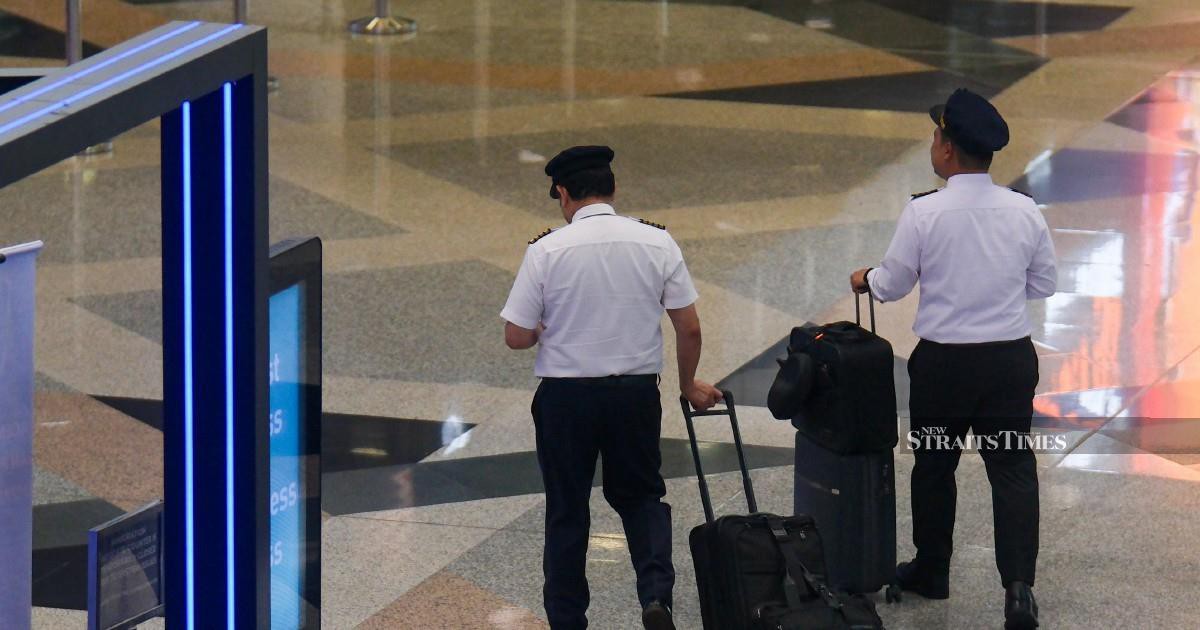
Malaysia Corruption Watch has urged authorities conducting investigations into the arrest of a pilot carrying drugs in Indonesia to redirect their focus toward uncovering systemic weaknesses in security protocols at Kuala Lumpur International Airport, rather than concentrating exclusively on identifying which governmental agency bears responsibility for the lapse.
The advocacy organisation's position reflects growing concerns about operational integrity at Southeast Asia's largest aviation hub. The case, involving an individual entrusted with piloting commercial aircraft across international borders, raises fundamental questions about how airport screening mechanisms function and whether existing safeguards adequately prevent prohibited materials from leaving Malaysian territory.
Security vulnerabilities at major international airports represent a critical concern that extends far beyond the circumstances of any single incident. When a pilot—an individual subject to enhanced scrutiny due to their role in commercial aviation—can allegedly transport controlled substances through KLIA undetected, it signals potential gaps in screening procedures, staff training, or inter-departmental coordination that merit systematic examination rather than superficial accountability exercises.
The distinction MCW draws between accountability and remediation is significant for Malaysian aviation governance. Pinpointing which agency failed, while politically satisfying, does little to prevent recurrence. Comprehensive security audits, by contrast, can identify whether detection equipment functions optimally, whether staff receive adequate training in spotting concealed contraband, whether protocols account for the varied smuggling methods criminals employ, and whether coordination between airport security, customs, and other agencies functions seamlessly.
Malaysia's reputation as a regional aviation centre depends partly on demonstrated capacity to maintain rigorous security standards that international partners and commercial stakeholders trust. The International Air Transport Association and aviation authorities globally increasingly scrutinise airport security performance as part of broader risk assessments. A proactive, systems-focused response to such incidents enhances rather than undermines institutional credibility.
The Malaysian aviation landscape has evolved considerably since KLIA's establishment. Annual passenger volumes have grown substantially, cargo operations have expanded, and the airport has become increasingly integral to regional commerce and tourism. These operational realities demand security frameworks sophisticated enough to manage higher throughput without compromising detection capability—a challenge that requires ongoing evaluation and refinement rather than static procedures.
Pilots occupy a unique position within aviation security frameworks. Their legitimate access to aircraft, secure zones, and pre-flight procedures, combined with their professional standing, can inadvertently create blind spots in screening protocols. Understanding whether existing procedures account adequately for this insider risk profile becomes crucial for preventing future incidents, regardless of whether this particular case resulted from negligence, systemic failure, or deliberate circumvention.
Malaysia's broader national security interests extend beyond airport operations to encompass drug trafficking prevention. The country sits within trafficking routes affecting Southeast Asia, and transnational criminal networks continuously adapt methods to exploit vulnerabilities. Individuals with legitimate airport access represent attractive targets for recruitment by smuggling syndicates precisely because their status grants them privileges others lack. Addressing these vulnerabilities requires understanding them thoroughly.
The MCW's intervention highlights how civil society organisations increasingly function as institutional watchdogs, pushing investigations beyond reactive blame-assignment toward constructive systemic improvement. This approach aligns with international best practices where security incidents prompt comprehensive reviews rather than disciplinary action against individuals discovered after breaches occur.
Regional airports throughout Southeast Asia face similar operational challenges, and resolution of KLIA security deficiencies could provide valuable insights for the broader aviation community. The problem likely extends beyond Malaysia, suggesting that transparent investigation and remediation could serve as a model for neighbouring jurisdictions managing comparable risks.
Institutionalising security improvements requires documentation of vulnerability assessments, implementation of revised protocols, staff retraining programmes, and periodic audits to ensure compliance. These measures, though administratively demanding, create durable safeguards more effective than punitive responses directed at individuals identified post-breach.
The case serves as a reminder that aviation security exists within broader contexts of agency coordination, resource allocation, and procedural consistency. KLIA, managing millions of passengers and enormous cargo volumes annually, requires security architecture that scales effectively while maintaining rigorous standards. Only thorough examination of how existing systems functioned—or failed to function—in this instance can inform meaningful improvement.
Moving forward, Malaysian authorities have an opportunity to demonstrate commitment to substantive security enhancement rather than mere accountability theatre. MCW's advocacy for systematic investigation, properly understood, advances national security interests by prioritising prevention of future incidents over settling questions of organisational blame.

