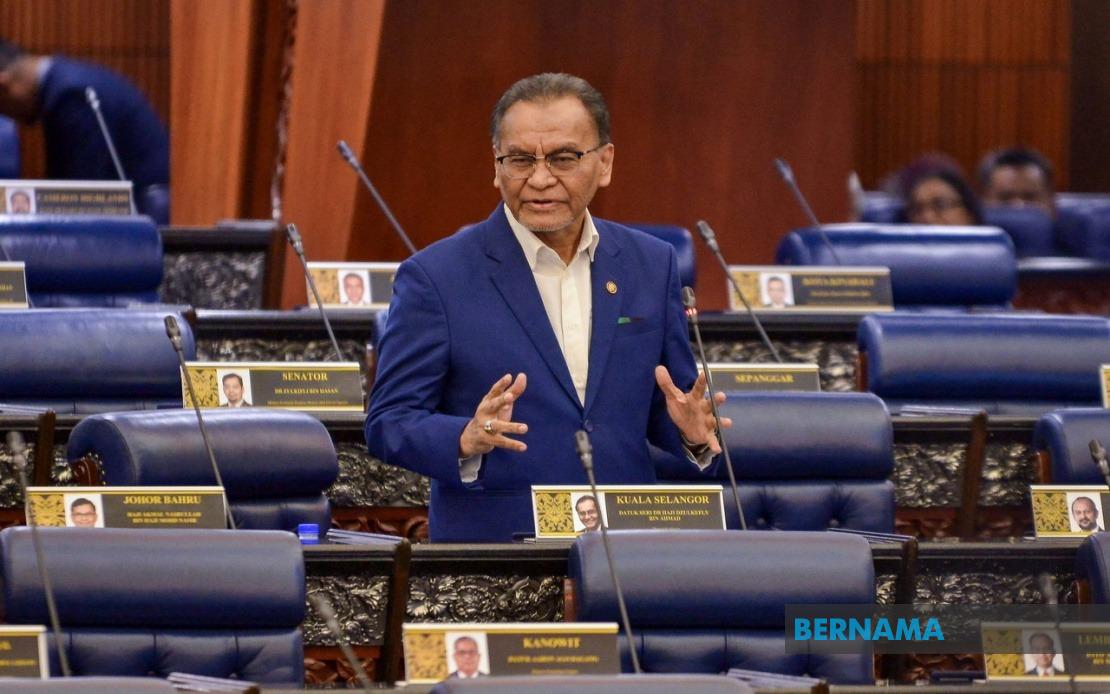
Malaysia's health system is set to gain a new dimension with the introduction of MediAsas, a medical insurance and takaful programme targeting the middle-income M40 group, Health Minister Datuk Seri Dr Dzulkefly Ahmad announced in Parliament on Monday. The initiative represents a strategic effort to address escalating private healthcare costs while maintaining the government's commitment to universal health coverage for all Malaysians through the established public system.
The MediAsas Plan operates as part of the broader RESET framework, a comprehensive policy approach designed to tackle the persistent challenge of rising private medical expenses that have strained household finances across Malaysia's middle-income population. Unlike schemes targeted at lower-income earners, MediAsas recognises the distinct healthcare needs and purchasing power of the M40 segment, who often fall between the subsidised public healthcare safety net and the premium private insurance market. By introducing more affordable premium rates, the government seeks to bridge this critical gap in Malaysia's health protection landscape.
The scheme functions as a complementary layer rather than a replacement for the existing public healthcare system. This distinction proves crucial to understanding the government's philosophy: Malaysia's public hospitals and clinics will continue shouldering the responsibility of providing comprehensive Universal Health Coverage, funded through established tax mechanisms. MediAsas instead provides alternative coverage pathways for those seeking additional private healthcare options without facing prohibitive costs. This approach allows the public system to remain the foundation while offering choice to those with capacity to seek private care at manageable rates.
A defining feature of MediAsas involves the gradual integration of Diagnosis Related Group (DRG)-based payment mechanisms at participating private hospitals. This technical specification carries significant implications for healthcare administration and cost control. DRG systems standardise hospital billing by grouping similar medical conditions and procedures, reducing administrative complexity and preventing arbitrary fee escalation. By implementing this mechanism progressively across private providers, the government aims to create transparency in pricing structures and discourage the kind of cost inflation that has deterred middle-income households from accessing private care.
The rollout strategy demonstrates careful phasing designed to test operational effectiveness before full national implementation. Six insurance and takaful companies will participate in a pilot programme launching at the end of July 2024 within the Klang Valley region, Malaysia's most densely populated metropolitan area. This geographic starting point allows regulators to monitor real-world uptake, identify implementation challenges, and refine processes before expanding nationwide from January 2027. The two-year implementation window reflects the complexity of integrating private insurance mechanisms with existing hospital billing systems and regulatory frameworks.
Existing government schemes continue providing comprehensive coverage for lower-income populations. The B40 group remains protected through an extensive network comprising 154 hospitals and more than 3,000 public healthcare facilities nationwide, supplemented by targeted schemes including PeKa B40, the MADANI Healthcare Scheme, and MySalam. These established programmes ensure that Malaysia's most economically vulnerable citizens maintain access to essential healthcare services. Dr Dzulkefly's emphasis on these continuing commitments underscores the government's position that healthcare expansion does not diminish existing protections for disadvantaged groups.
MediAsas specifically addresses healthcare challenges that disproportionately affect the middle-income population, including management of pre-existing conditions, non-communicable diseases (NCDs), and mental health support. The M40 group frequently encounters difficulties accessing private care due to insurance exclusions for pre-existing conditions or unexpectedly high premiums for chronic disease management. By designing MediAsas with these populations in mind, the government acknowledges that healthcare protection must extend beyond acute care to encompass the long-term disease management needs increasingly prevalent in aging and increasingly urbanised Malaysia.
The RESET framework extends beyond MediAsas to address systemic inefficiencies in healthcare delivery. Interoperability of electronic medical records represents another critical component, reducing unnecessary duplication of diagnostic tests and imaging procedures that inflate costs for patients and healthcare systems alike. When patients transition between public and private providers or seek care from multiple specialists, fragmented medical records often result in repeated investigations, driving up overall expenses. By establishing technical standards allowing secure sharing of relevant medical information across authorised providers, Malaysia can enhance care quality while reducing redundant costs.
Private hospital billing restructuring forms the third pillar of RESET's cost-containment strategy. Current billing practices in Malaysia's private sector often lack transparency and standardisation, allowing hospitals considerable discretion in pricing similar procedures. This fragmentation makes it difficult for patients to understand or predict costs, and enables providers to adjust charges based on individual circumstances. Restructuring initiatives seek to establish clearer billing frameworks, possibly incorporating the DRG mechanism mentioned regarding MediAsas, to create more predictable and comparable pricing across institutions.
The timing of MediAsas reflects broader economic circumstances affecting Malaysian households. Real wage growth has plateaued for many M40 workers while healthcare costs escalated, creating affordability challenges even among employed, educated populations. The private healthcare sector, while offering advantages including shorter waiting times and perceived amenities, remains financially inaccessible to many middle-income families seeking supplementary protection. MediAsas positioning at affordable premium rates attempts to recalibrate the market, making private insurance economics feasible for previously excluded segments.
Regionally, Malaysia's approach offers lessons for other Southeast Asian nations grappling with healthcare financing challenges. Middle-income countries across the Association of Southeast Asian Nations face similar pressures as healthcare costs rise faster than general inflation while public budgets face competing demands. Malaysia's strategy of maintaining strong public provision while carefully expanding complementary private options through affordable insurance mechanisms potentially offers a replicable model for neighbours managing similar tensions between universal coverage, fiscal sustainability, and quality expectations.
The success of MediAsas will depend partly on uptake among target populations and operational efficiency of participating providers. Insurance companies must develop products genuinely affordable to M40 households, not merely rebranded standard plans with minor adjustments. Private hospitals must accept DRG-based payment discipline that may reduce their current pricing flexibility. Regulators face challenges ensuring affordability without compromising insurance companies' financial viability or provider quality. These implementation details, to be tested during the Klang Valley pilot phase, will substantially determine whether MediAsas achieves its objective of meaningfully expanding healthcare access for Malaysia's middle-income population.

