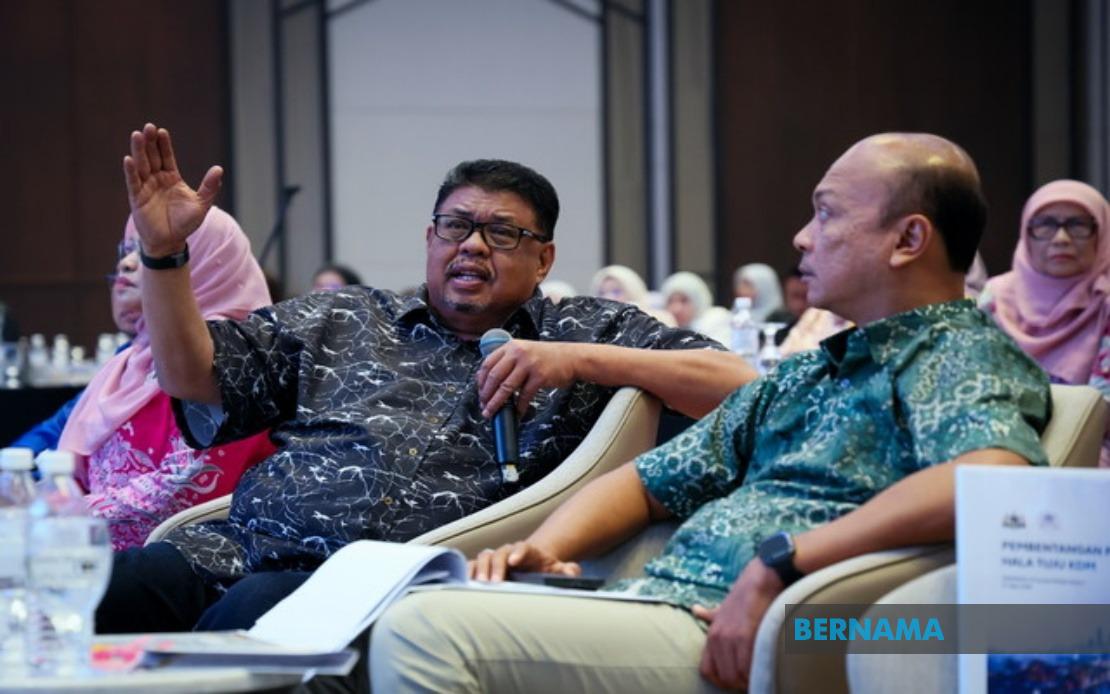
Melaka's Barisan Nasional coalition has drawn a clear line in the sand ahead of state elections, announcing it will defend every one of its 21 state assembly seats without compromise or negotiation. The declaration comes from Melaka BN chairman Datuk Seri Ab Rauf Yusoh, who emphasised the non-negotiable nature of this position during remarks made at a workshop in Alor Gajah, framing the retention of all 21 seats as the fundamental prerequisite for any party seeking to partner with the coalition in the forthcoming poll.
Ab Rauf's unambiguous stance signals that BN intends to maintain its political dominance in Melaka by precluding other potential coalition members from challenging its incumbents in those constituencies. The position reflects broader coalition dynamics in Malaysian state-level politics, where larger components often leverage their numerical strength to determine the terms of electoral cooperation. By establishing the 21-seat figure as non-negotiable before substantive negotiations begin, BN has effectively positioned itself as the senior partner in any discussions about electoral arrangements.
The Melaka Chief Minister revealed that his administration remains open to discussions with other political parties seeking coalition arrangements, though he was characteristically cautious about prospects. He specifically acknowledged anticipated talks with senior leaders from PAS, signalling that some opposition-aligned figures may be exploring possibilities with the BN-led state government. However, Ab Rauf made clear that any such conversations would proceed within strictly defined parameters, with the 21-seat threshold forming the absolute boundary of what remains negotiable.
BN's current hold on 21 of Melaka's 28 state assembly seats stems from the 15th state election, which delivered a decisive victory for the coalition. In that contest, Pakatan Harapan secured five seats while Perikatan Nasional captured two, leaving the opposition fragmented across multiple political blocs. This numerical advantage has afforded BN significant room for strategic manoeuvre in determining the composition of any electoral pact, and the coalition appears intent on leveraging that advantage to maximise its seat tally in the coming election.
Ab Rauf's remarks also underscored the importance of securing approval from the BN Supreme Council before any significant electoral concessions could be contemplated. This institutional constraint effectively introduces a higher threshold for potential compromises, as individual leaders cannot unilaterally agree to modifications of the party line without broader organisational endorsement. The requirement serves as a safeguard against maverick decision-making and ensures that major electoral commitments reflect the will of the coalition's leadership structure rather than individual negotiators.
On the timing of the state election, Ab Rauf adopted a deliberately non-committal approach, suggesting that dissolution of the state legislative assembly could occur at any moment whilst simultaneously declining to reveal the specific date. His playful reference to maintaining the "thrill" of an unexpected announcement reflected the strategic advantage that incumbent governments enjoy by controlling the election schedule. The Melaka government's term formally expires on December 31, providing a clear deadline by which an election must be held, though the administration retains discretion over when precisely to trigger the dissolution.
The political landscape in Melaka has undergone considerable flux in recent years, with multiple changes of government reflecting volatile electoral dynamics and shifting coalition allegiances. BN's current position represents a recovery of sorts from earlier reversals, yet the coalition faces the perpetual challenge of maintaining unity amongst component parties whilst managing expectations across its membership. The insistence on defending all 21 seats can be interpreted partly as an internal signalling mechanism, reassuring BN's constituent parties that the coalition is pursuing an maximalist electoral strategy rather than accommodating external partners at their expense.
For opposition parties and potential coalition partners, BN's uncompromising stance on the 21 seats effectively narrows the scope for negotiation to administrative matters rather than seat allocation or electoral strategy. This positioning may influence whether other parties determine that joining an electoral pact with BN serves their interests or whether they conclude that independent contest would be preferable. PAS and other groups evaluating potential cooperation with the state government must now calculate whether any benefits derived from coalition participation justify accepting a subordinate role with severely constrained negotiating leverage.
The Melaka electoral contest will unfold within the broader context of Malaysian federal politics, where coalition dynamics have undergone substantial reconfiguration following recent parliamentary developments. State-level elections frequently serve as bellwethers for federal sentiment, and the Melaka result will carry significance beyond the state's boundaries. BN's determination to contest strongly across all 21 seats reflects both confidence in its current electoral positioning and anxiety about potential opposition gains, suggesting that the coalition views this election as strategically consequential for its broader national standing.
Ab Rauf's characterisation of the 21 seats as BN's boundary for negotiations establishes a clear template that other state governments may replicate as they prepare for their own electoral contests. The Melaka precedent of frontloading seat allocation discussions before formal coalition negotiations commences may become standard practice across Malaysian politics, particularly among coalitions comfortable with their incumbent advantages. This approach prioritises maintaining existing territorial control over extending coalition cooperation, reflecting a more zero-sum conception of electoral competition than sometimes characterises Malaysian coalition arrangements.

