Melaka is rolling out an extensive free shuttle service to accommodate visitors attending the state-level 69th National Day celebrations and the Melaka Civil-Military Cooperation Carnival 2026, scheduled to take place at Dataran 1Malaysia Klebang from August 29 to 31. The initiative will see 30 buses and 90 shuttle vans stationed across the Klebang precinct and surrounding localities, with operations timed to coincide with peak visitor traffic throughout the three-day programme.
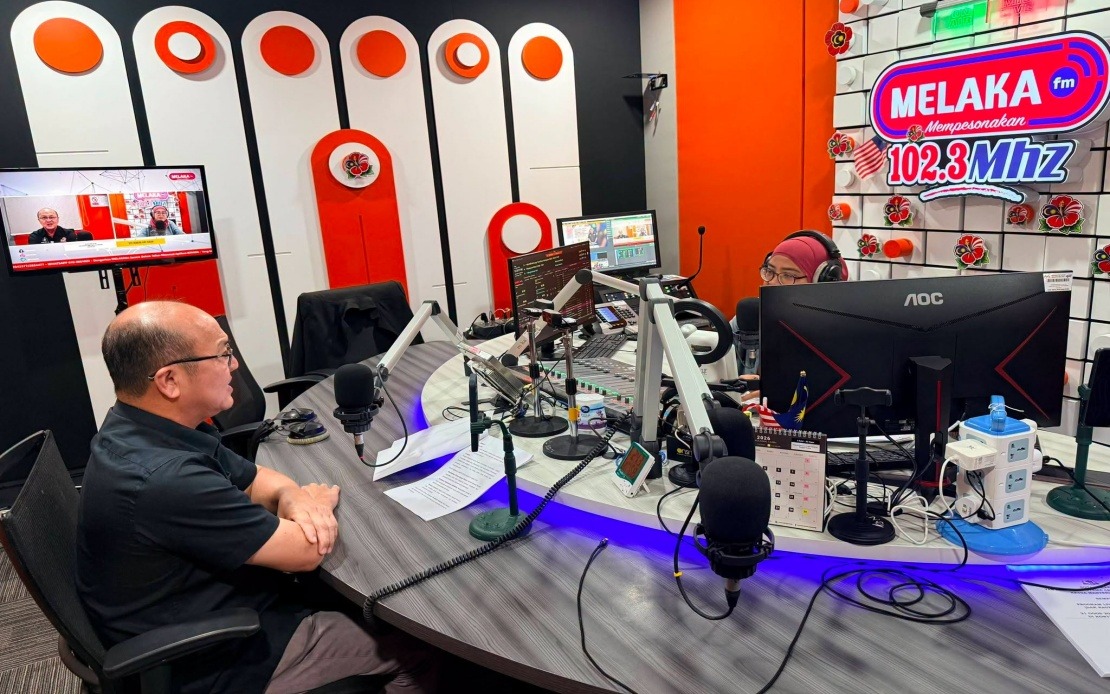
Datak Ngwe Hee Sem, chairman of the State Health, Human Resources and Unity Committee, unveiled the transportation arrangement during a briefing to media representatives. The shuttle network encompasses 13 strategically positioned pick-up points designed to facilitate seamless movement between major attractions and venues within and around the Klebang area, effectively creating a comprehensive mobility solution for the expected influx of celebrants.
The designated pick-up stations span both iconic landmarks and residential and commercial hubs across the region. Visitors will be able to access shuttle services from The Sail Gallery, Residensi PR1MA, and the Submarine Museum, alongside Dataran 1Malaysia Klebang itself. Additional boarding points include the Royal Malaysian Navy Ship Exhibition venue, SMK Klebang Besar, Masjid Al-Amin, Hotel Courtyard, and the Kota Bendahari commercial precinct. Secondary access points have also been established near Eye On Melaka as well as within Taman Limbongan Jaya, Taman Syahbandar, and Taman Kota Laksamana business complexes, ensuring that residents from outlying neighbourhoods can readily participate in the festivities.
The shuttle operations will follow a carefully calibrated schedule tailored to each day's programming. On August 29, vehicles will operate from 6 pm to midnight, while August 30 — designated as National Day eve — will see extended service until 1 am to accommodate late-night celebration activities. The final day on August 31 presents a dual-phase operational window, with early morning shuttles running from 4 am to 7 am to transport participants and spectators arriving for daytime processions and ceremonies, followed by a mid-afternoon service window from noon to 3 pm.
The primary motivation behind this transportation initiative extends beyond mere visitor convenience. State officials have framed the shuttle system as a multifaceted solution addressing traffic management and operational efficiency during high-attendance periods. By concentrating personal vehicles into a coordinated public transport model, the scheme aims to alleviate congestion at Dataran 1Malaysia Klebang and surrounding thoroughfares, thereby enabling smoother execution of ceremonial events and parade activities while reducing parking pressure across the venue.
Projections indicate substantial attendance at the state-level National Day celebration on August 31, with organisers anticipating between 50,000 and 80,000 participants. The ceremony will feature 125 contingents representing various government agencies, civil organisations, and community groups, accompanied by 7,790 individual marchers and performers. The parade component will comprise 31 vehicles, including 11 specially decorated cars, signalling a formal and elaborate presentation befitting a significant national commemoration.
For Malaysian readers, particularly those in Melaka and neighbouring states, this initiative represents a growing trend toward integrated event management infrastructure in Southeast Asia. The deployment of such scale demonstrates commitment to accessibility and inclusivity during national celebrations, removing financial barriers to participation through complimentary transport while simultaneously addressing urban congestion challenges that plague major public gatherings across the region.
The timing of this announcement also reflects broader government priorities in managing large assemblies efficiently post-pandemic. As Malaysia continues hosting significant civic events, the Melaka model offers insights into balancing celebratory accessibility with operational logistics and traffic management — concerns increasingly pertinent across Malaysian metropolitan areas experiencing rapid urbanisation and rising vehicle ownership.
Additionally, the inclusion of military cooperation elements through the CIMIC Carnival component underscores the bifurcated nature of these celebrations, blending civilian civic participation with armed forces community engagement initiatives. This approach has become commonplace in Malaysian state-level observances, reinforcing the integrated nature of national identity celebrations beyond purely ceremonial functions.
Prospective attendees should note the operational windows carefully when planning their visits, as morning services on August 31 cater specifically to parade participants and early arrivals. The extended evening hours on August 29 and 30 accommodate those preferring leisure celebrations outside traditional daytime programming. For residents of the greater Klang Valley and southern Selangor, the relatively accessible location of Klebang and its enhanced connectivity via the shuttle network may present an accessible option for National Day observance without undertaking lengthy drives.
The Melaka state government's comprehensive approach demonstrates recognition that successful large-scale celebrations require attention to participant logistics as much as ceremonial content. As National Day observances continue evolving into multi-day regional festivities rather than single-day events, such transportation frameworks become essential infrastructure supporting broader participation and ensuring equitable access across socioeconomic demographics. The August 29-31 programme will serve as a practical test case for this integrated event management model in the Malaysian context.

