The Perbadanan Pembangunan Sungai dan Pantai Melaka (PPSPM) is banking on aggressive marketing and service improvements to draw one million passengers to its signature Melaka River Cruise offering this year, despite having captured just 350,000 riders in the first half of 2024. With 60 per cent of the annual target remaining, the operator faces a demanding second half that will test whether the state's tourism infrastructure and promotional efforts can sustain momentum in Malaysia's heritage tourism sector.
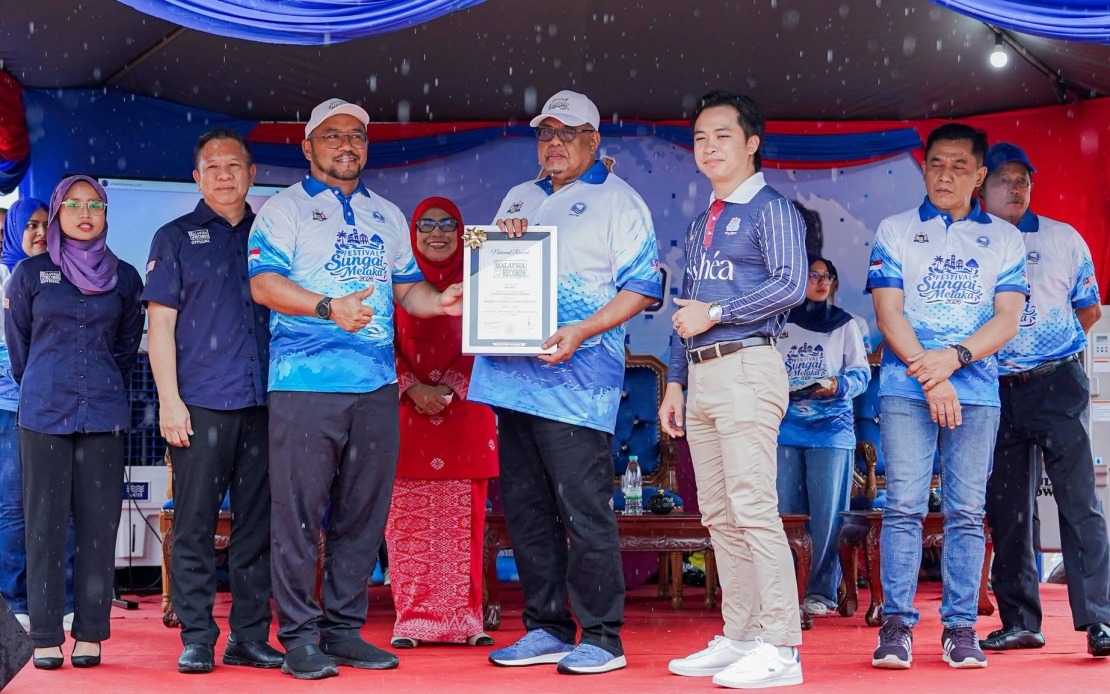
The ambitious passenger target, announced by PPSPM chief executive officer Shaharul Azuar Idris at a ceremony honouring winners of the Melaka River Festival 2026, reflects growing confidence in regional tourism recovery as international visitor arrivals gradually stabilise across Southeast Asia. For Malaysia, which has positioned Melaka as a cultural and tourism anchor alongside Penang, hitting this benchmark would signal strong domestic and cross-border demand for heritage attractions, particularly those offering experiential tourism such as scenic river cruises.
SHAHARUL AZUAR outlined a multi-pronged strategy to bridge the 650,000-passenger gap before year-end, emphasising that PPSPM is rolling out competitively priced packages designed to appeal to both leisure travellers and family groups. The operator is simultaneously amplifying promotional campaigns domestically and internationally, positioning the Melaka River Cruise as an essential experience rather than a peripheral tourist activity. This reframing is significant; it suggests a shift towards cementing the cruise as core to Melaka's tourism identity, similar to how Singapore's river cruises or Bangkok's canal tours have become integral to those cities' visitor journeys.
The cruise operator currently manages a fleet of 60 vessels: 30 dedicated to the main Melaka River Cruise and another 30 serving the Eco Cruise at Tasik Chinchin, a freshwater lake tourism product that diversifies offerings and spreads visitor capacity. This fleet size implies significant operational overhead, making passenger volume targets essential for financial viability. The split between urban river and nature-based eco-cruises also reflects a broader strategy to cater to different visitor preferences—urban explorers interested in heritage architecture and waterfront views versus nature enthusiasts seeking wildlife and ecological experiences.
Upgrades to premium vessels, including the 'Everlasting Love Boat' and 'Tun Khalil Cruise', feature dining experiences onboard, elevating the offering beyond basic sightseeing. This added-value approach captures higher-spending tourists and extends dwell time, allowing operators to extract more revenue per passenger. Such premium differentiation is increasingly common in regional tourism, where operators recognise that experience-based pricing—where visitors pay for memorable moments rather than mere transportation—can offset seasonal fluctuations and rising operational costs.
SHAHARUL AZUAR acknowledged that vessel acquisition remains under evaluation, indicating PPSPM is cautious about capital expenditure despite growth ambitions. Any new boats would be equipped with latest-generation technologies, suggesting investment in safety systems, propulsion efficiency, and possibly enhanced passenger comfort features. For Malaysian operators, adopting modern maritime technology is both a competitive necessity and a regulatory imperative, particularly given increasing insurance and safety standards across Southeast Asia's tourism sector.
A notable promotional initiative involves offering more than 5,000 complimentary cruise tickets during Malaysia's National Day celebrations on August 31, funded through the state government's Melaka Sayang Rakyat (MeSRa) initiative. This subsidy strategy serves dual purposes: it generates grassroots enthusiasm and social goodwill whilst simultaneously introducing local residents to the cruise product, potentially converting them into repeat customers and word-of-mouth advocates. For Melaka's state administration, supporting tourism infrastructure through such programmes demonstrates economic stewardship whilst celebrating national identity, blending patriotic messaging with commerce.
The concentration of operational pressure in the latter half of the year raises questions about seasonality and demand volatility. Tourism in Malaysia typically sees peaks during school holidays and festive periods, and the August National Day push may represent an attempt to capitalise on such windows. However, sustaining momentum through September, October, and December—months with variable rainfall and occasional monsoon impacts—requires consistent marketing spend and competitive pricing that could compress margins.
For Malaysian tourism policy, Melaka's river cruise ambition illuminates a broader sectoral shift towards diversifying beyond traditional beach and cultural heritage offerings. River-based tourism, relatively underdeveloped in Malaysia compared to regional peers, presents untapped potential. If PPSPM succeeds in attracting one million annual passengers, it could establish a replicable model for other riverine states such as Sarawak, Perak, or Selangor to develop their own waterway tourism products, incrementally building a more resilient and geographically distributed tourism economy.
The Malaysian tourism sector faces structural headwinds—rising fuel and labour costs, supply chain pressures, and increasing competition from regional destinations—yet Melaka's River Cruise strategy exemplifies how focused capacity development and targeted marketing can generate volume growth. Whether PPSPM's year-end target proves achievable will depend not only on promotional effectiveness but also on maintaining operational reliability, managing visitor satisfaction, and sustaining partnerships with tour operators and accommodation providers across Melaka's hospitality ecosystem. The achievement would vindicate state investment in tourism infrastructure at a time when such public commitments face scrutiny.

