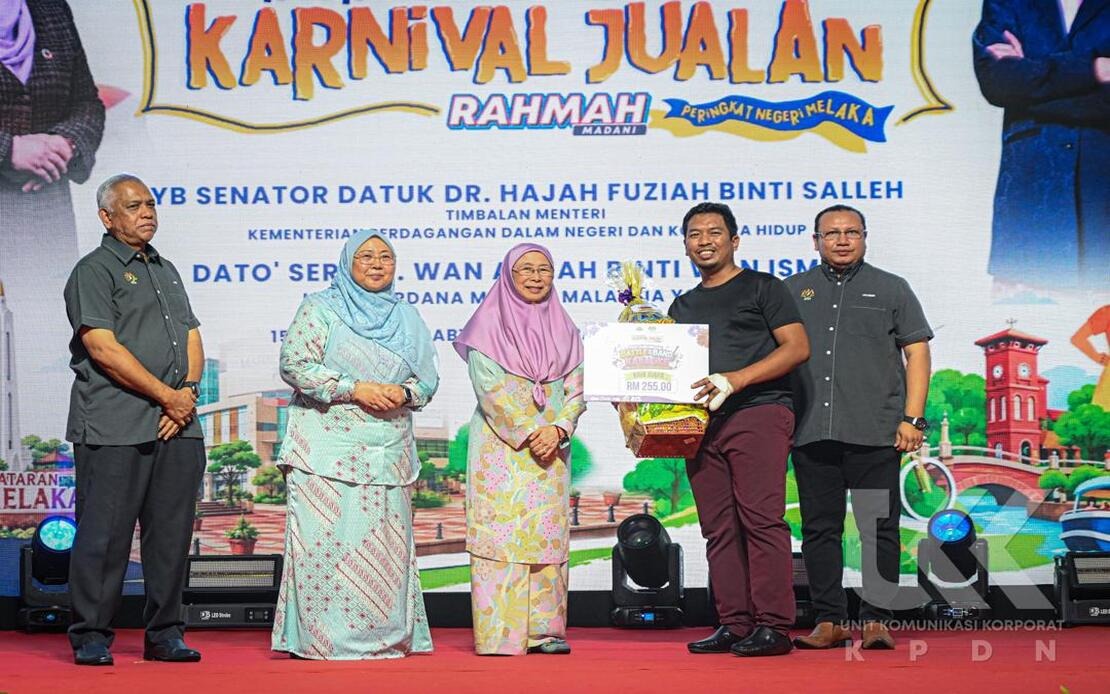
The government's Menu RAHMAH programme continues to gain traction as a flagship cost-of-living initiative, with Datuk Dr Fuziah Salleh, Deputy Minister of Domestic Trade and Cost of Living, confirming that 3,210 food and beverage establishments have registered as participating operators. Speaking in Melaka on August 15, Fuziah emphasised that the scheme represents a sustainable commitment rather than a short-term relief measure, signalling the government's intent to embed affordable dining options into the country's commercial food landscape on a permanent basis.
The diversity of participating venues reflects the programme's broad appeal across Malaysia's varied food service sector. Food stalls and food court operators dominate the registrations with 1,016 premises, demonstrating the scheme's particular resonance among informal dining venues where most ordinary Malaysians purchase meals daily. Restaurants, hawker stands, food trucks, and bazaar operators have also joined the initiative in substantial numbers, indicating willingness across different business models to participate in subsidised menu offerings. This cross-section of the industry suggests that Menu RAHMAH has successfully positioned itself as a viable commercial arrangement rather than an unsustainable burden on business owners.
Regional implementation shows strategic prioritisation of high-traffic areas where consumer demand is most pronounced. Rest and Service Areas along Malaysia's highway network have received particular attention, recognising that travellers represent a captive market segment with limited dining alternatives during long journeys. This targeted approach demonstrates the government's understanding that cost-of-living pressures affect different demographic groups in varied contexts, and that convenient access to affordable meals at Rest and Service Areas serves a practical purpose beyond urban centres.
The Ministry of Domestic Trade and Cost of Living has initiated the 'Jom Cari Menu RAHMAH' promotional campaign to sustain momentum and guide consumers toward participating outlets. Rather than relying on organic discovery, this proactive marketing strategy works to increase awareness among price-conscious shoppers about where Menu RAHMAH offerings are available. Concurrently, the ministry is engaging industry associations and food trader groups to facilitate further expansion, leveraging existing networks to identify potential new participants and encourage franchise operators to adopt the scheme.
Complementing Menu RAHMAH is the MADANI RAHMAH Sales Programme, which operates on a different operational model focused on direct sales of essential goods rather than restaurant meals. This initiative had conducted 19,322 implementation events as of July 2026, surpassing the year's target of 17,500 events and recording nearly 25.5 million individual transactions across the country. The programme's success in exceeding targets indicates sustained consumer demand for subsidised household staples, suggesting that Malaysians continue to prioritise savings on everyday necessities.
The MADANI RAHMAH Sales Programme offers consumers discounts ranging from ten to thirty percent below prevailing market prices, a substantial reduction that makes meaningful differences to household budgets. Essential commodities including poultry, seafood, eggs, cooking oil, flour, rice, fresh vegetables, fruits, and household supplies form the core product range. By focusing on non-discretionary items that households purchase regularly regardless of economic conditions, the programme addresses fundamental affordability concerns affecting all income levels, though particularly benefiting lower-income households where food expenditure constitutes the largest budget share.
Geographic reach extends across all 600 state constituencies nationwide and encompasses 40 distinct zones within the Federal Territories, ensuring that the initiative penetrates both urban and rural areas. This comprehensive coverage reflects governmental recognition that cost-of-living pressures are not merely urban phenomena but affect rural and semi-urban populations where access to competitively priced goods may be limited due to geographic isolation and smaller market competition. The deliberate focus on constituencies with demonstrated need ensures resources flow to areas where affordability challenges are most acute.
A recent KPDN Mini Carnival held in Melaka showcased the government's integrated approach to cost-of-living support, bringing multiple initiatives under a single platform. The three-day event featured exhibitions explaining Menu RAHMAH and MADANI RAHMAH operations, enabling direct consumer education and business-to-business matching between traders and potential partners. Twenty-seven vendors offered discounted goods and services, while promotional activities including stage performances, competitions, and an electronic sports tournament in partnership with Todak generated public engagement and footfall. Nearly three thousand visitors attended the opening day, indicating substantial community interest in these affordability programmes.
For Malaysian consumers and regional observers, the expansion of these initiatives carries implications beyond immediate cost relief. The programmes represent an attempt to institutionalise affordability support rather than treat it as emergency intervention, suggesting the government anticipates sustained pressure on household budgets. The scale of participation from commercial operators indicates that businesses perceive participation as economically viable despite narrower margins, possibly because guaranteed volumes from conscious cost shoppers justify lower unit prices. For neighbouring Southeast Asian economies grappling with similar cost-of-living challenges, Malaysia's approach of coupling demand-side subsidy schemes with supply-side operator incentives presents a replicable model worthy of study.
The programmes also underscore a broader strategy of government-private sector collaboration, where state support flows through commercial channels rather than purely through direct welfare distribution. This approach maintains entrepreneurial incentives while delivering targeted relief, avoiding potential market distortions that large-scale direct subsidies might create. However, the sustainability of these initiatives depends on continued operator participation and government funding allocation, making long-term monitoring essential. As inflation pressures persist in the region, the success or failure of Malaysia's Menu RAHMAH and MADANI RAHMAH models may influence policy decisions across Southeast Asia in coming years.

