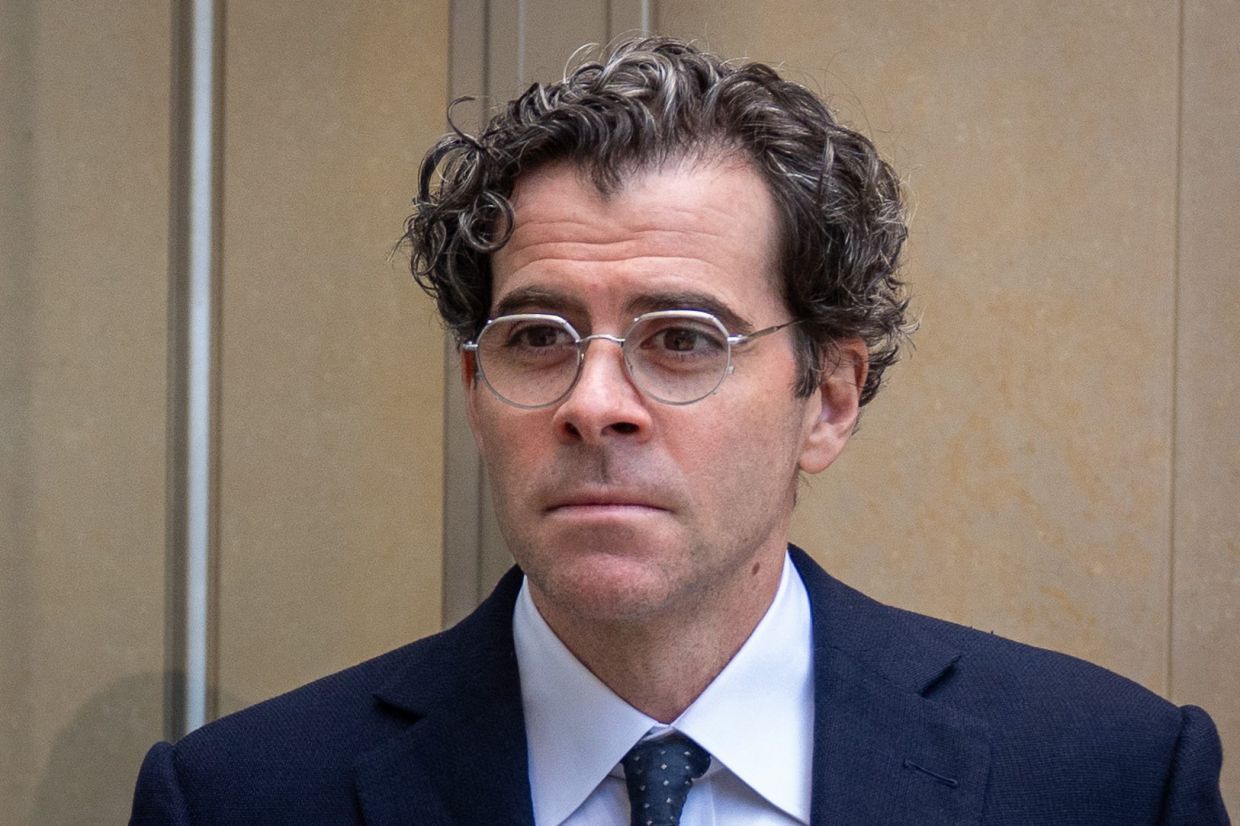
Meta is defending itself against accusations from 29 US states that it deliberately engineered its platforms to ensnare children while harvesting their personal data and misleading the public about the dangers. The multi-week lawsuit, now in its second phase, centres on whether the social media giant prioritised profit over child welfare—a question with significant implications for how technology companies worldwide, including those serving Malaysian users, operate.
At the heart of this trial are two safety features that Meta executives publicly promoted as protective measures for young people. Take a Break, introduced in 2021, allows users to set reminders to pause their scrolling, while Quiet Mode, launched in 2023, silences notifications during late-night hours. Meta's leadership, including Instagram chief Adam Mosseri, presented these tools as meaningful interventions. Yet internal company documents unveiled in court paint a starkly different picture of their actual effectiveness and reach among teenagers.
Mosseri faced intense scrutiny from Colorado Attorney General's office lawyer Jason Slothouber over the tools' minimal uptake. When confronted with data showing Take a Break achieved only 1.8% adoption and Quiet Mode reached 8.7%, Mosseri acknowledged the figures were "disappointingly low" but claimed the situation had since improved. His testimony appeared defensive, as he attempted to reframe the narrative around default settings rather than addressing why Meta had publicly highlighted features that so few teenagers actually used.
The credibility gap between Meta's public messaging and internal reality emerged most clearly through Mosseri's own December 2021 blog post. Published just one day before congressional testimony about social media's harmful effects on youth, the post trumpeted that "early test results show that once teens set the reminders, more than 90% of them keep them on." This statistic, however, described only those teenagers who had already activated the feature—a crucial distinction that obscured the actual problem: almost no one was turning the features on in the first place.
When directly asked whether Meta had disclosed these low adoption rates to the public, Mosseri admitted it had not. This selective transparency raises troubling questions about how technology companies communicate with consumers and regulators. For Malaysian parents and policymakers watching this case, it illustrates how global tech giants may present an appearance of child protection while their actual safeguards reach only a fraction of vulnerable users. The omission becomes particularly significant given Meta's stated commitment to teen safety, which features prominently in the company's regulatory discussions and public relations messaging.
Meta's subsequent pivot to making these features default settings in its new Teen Accounts product, which include parental controls and launched in 2024, does not necessarily resolve the underlying issue. Mosseri could not recall whether Meta had ever publicly disclosed what percentage of teen accounts actually have parental controls activated. This pattern of vague commitments and unmeasured outcomes suggests systemic problems in how Meta evaluates and communicates about its safety initiatives.
Former Meta employees provided devastating testimony about the company's apparent indifference to the features' ineffectiveness. Arturo Bejar, who previously directed engineering at Meta, stated bluntly that "Take a Break is a feature that's designed to fail," indicating that the tool's shortcomings were not accidental but rather the predictable result of how it was built and deployed. George Volichenko, a data scientist who worked on Instagram's safety features in 2022 and 2023, described the adoption rates as "very low and disappointing" and merely "a drop in the ocean" relative to the platform's user base of over three billion people globally.
Volichenko's testimony revealed the commercial calculus underlying Meta's approach to teen safety. Leadership explicitly rejected making Quiet Mode a default feature for younger teenagers, despite knowing this would significantly depress adoption. The reasoning was starkly commercial: turning on these features by default would have caused a "notable negative impact" on user engagement. Since Meta's revenue model depends on maximising the time users spend on the platform—which directly determines advertising revenue—the company chose engagement over protection.
This conflict between safety and profitability lies at the core of the 29 states' case against Meta. The allegation is not merely that the company failed to protect teenagers adequately, but that it deliberately designed products to maximise their addictive potential while deploying superficial safeguards that few would actually use. For Malaysian regulators considering how to oversee technology companies operating in the country, this lawsuit demonstrates why stronger disclosure requirements and independent auditing of safety claims may be necessary.
Judge Yvonne Gonzalez Rogers, who will ultimately decide the case with jury guidance, appeared visibly surprised that Francesco Fogu, Meta's director of product design at Instagram, was unaware of his own company's adoption data. This knowledge gap at senior levels—or the claim of such ignorance—underscores the accountability challenges facing large tech corporations. When executives cannot or will not track whether their stated safety initiatives are actually being used, meaningful oversight becomes nearly impossible.
The potential consequences for Meta are substantial. The 29 US states are seeking approximately US$200 billion (RM805.46 billion) in penalties if the company is found liable. More significantly, a court loss could force fundamental restructuring of Meta's business model, compelling the company to choose between aggressive user engagement strategies and genuine teen protection. Such a ruling would reverberate through the global technology industry and likely influence how regulators in Southeast Asia and Malaysia approach platform accountability.
The trial continues through late September, with Mosseri set to resume testimony on August 26 and founder Mark Zuckerberg expected to testify at an undetermined date. As proceedings unfold, the question becomes whether Meta's defence will address the core allegation: that the company knew its safety features were ineffective but continued promoting them anyway while optimising its core product for maximum engagement, particularly among young users who lack the cognitive development to resist sophisticated manipulation.

