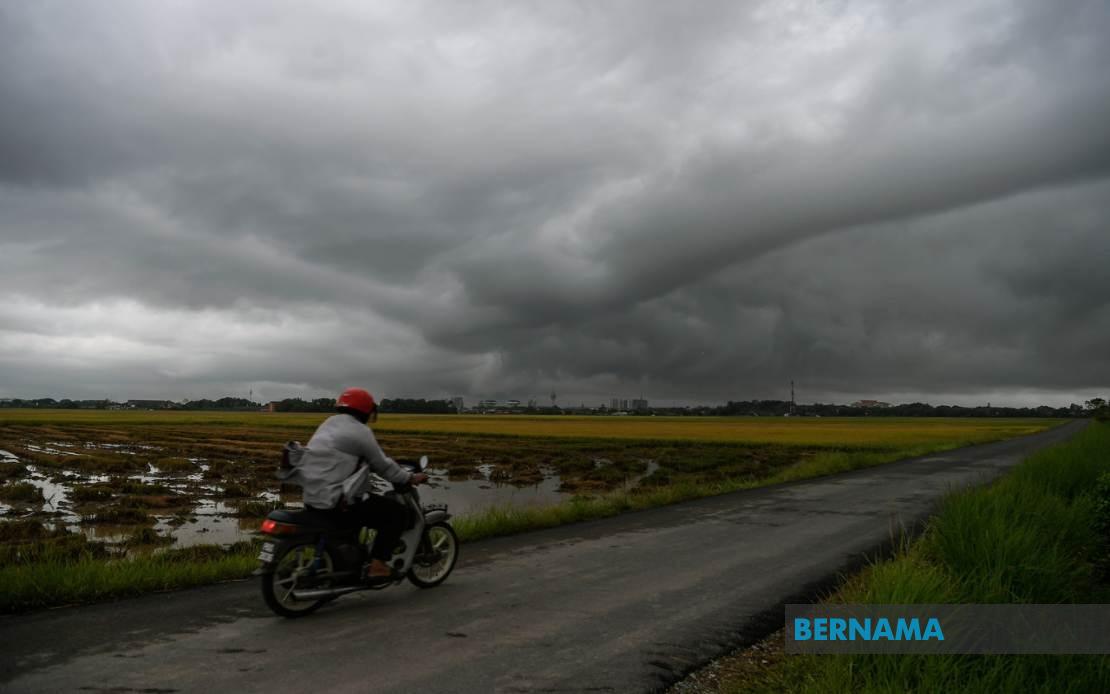
The Malaysian Meteorological Department (MetMalaysia) has issued a widespread weather alert covering numerous districts across the nation, warning residents of severe thunderstorms, heavy rainfall and gusty winds expected to persist until 9 pm. The advisory encompasses significant portions of Peninsular Malaysia alongside key districts in Sarawak and Sabah, as well as the Federal Territory of Labuan, potentially affecting the daily activities of millions of people across the country.
In the northern region, Kedah residents in Kuala Muda, Baling, Kulim and Bandar Baharu should prepare for the inclement weather, whilst Penang's Northeast district and all three Seberang Perai divisions—Utara, Tengah and Selatan—are similarly on alert. These areas, which include major population centres and commercial hubs, may experience disruptions to transport and business operations during the warning period. The proximity of these districts to the Strait of Malacca means coastal communities should be particularly cautious of strong wind gusts.
Perak's warning encompasses a substantial swathe of the state, covering both the western lowlands and eastern highlands. The affected districts of Kerian, Larut, Matang and Selama, Hulu Perak, Kuala Kangsar, Kinta, Kampar and Batang Padang represent diverse geographical and economic zones, from tin-mining heritage areas to agricultural regions and the scenic Cameron Highlands plateau. All of Kelantan faces similar weather conditions, meaning the entire state remains under the advisory and residents should exercise heightened caution.
Terengganu's east coast districts have been identified as particularly vulnerable, with warnings affecting Besut, Hulu Terengganu, Kuala Terengganu, Marang, Dungun and Kemaman. These areas are critical for the state's fishing industry and tourism sector, and mariners operating in these waters should exercise extreme care. In neighbouring Pahang, the warning extends across Cameron Highlands, Lipis, Jerantut, Kuantan, Pekan and Rompin, encompassing both inland and coastal communities across the state's considerable breadth.
Johor, Malaysia's most populous state, sees eight of its districts placed under warning: Tangkak, Segamat, Muar, Kluang, Mersing, Kulai, Kota Tinggi and Johor Bahru. The inclusion of Johor Bahru, the state capital and a major economic centre, suggests the severe weather system is geographically extensive. Mersing and other districts along the east coast are particularly vulnerable to flash flooding and rough seas given their coastal exposure.
East Malaysia faces similar meteorological challenges. In Sarawak, the warning affects Sibu, Mukah encompassing Matu, Dalat and Mukah proper, Kapit's Song division, Bintulu's Tatau division, and Miri covering Beluru, Miri and Marudi. These divisions span the state from the central river systems to the northern coastal regions, underscoring the pervasive nature of the weather system affecting the state.
Sabah's warning covers Interior Division districts of Sipitang, Kuala Penyu, Beaufort and Tambunan, alongside West Coast Division areas of Papar, Penampang and Ranau. The inclusion of Ranau, located on the flanks of Mount Kinabalu, suggests the system may bring heavy orographic rainfall to elevated areas. The Federal Territory of Labuan, situated off the coast of Sabah, is also placed under alert as the maritime territory faces potential rough sea conditions.
Thunderstorms of this magnitude warrant serious preparedness measures from residents and authorities alike. The combination of heavy rain, strong winds and lightning poses significant hazards including flash flooding in low-lying areas, landslides on steep terrain, disruptions to power supply networks, and dangerous driving conditions on major highways. MetMalaysia's decision to issue warnings across such a broad geographical area suggests a substantial weather system is moving through the region, potentially a monsoon depression or tropical convergence zone.
For residents in affected areas, MetMalaysia recommends avoiding outdoor activities during the warning period, securing loose outdoor items that could become projectiles in strong winds, and remaining vigilant for flooding in flood-prone localities. Motorists should reduce speed and increase visibility precautions, whilst those in coastal areas should avoid beaches and water activities. The nine-hour warning window provides a defined timeframe for individuals and organizations to implement appropriate safety protocols and contingency measures.
The extensive geographical scope of this warning—stretching from Kedah in the far north to Sabah and Sarawak in East Malaysia—demonstrates the scale of the prevailing weather system. Such widespread alerts are typically issued during monsoon periods or when significant tropical disturbances affect multiple regions simultaneously. Authorities responsible for emergency response, drainage systems, and infrastructure maintenance across all affected states should remain on heightened alert throughout the warning period.

