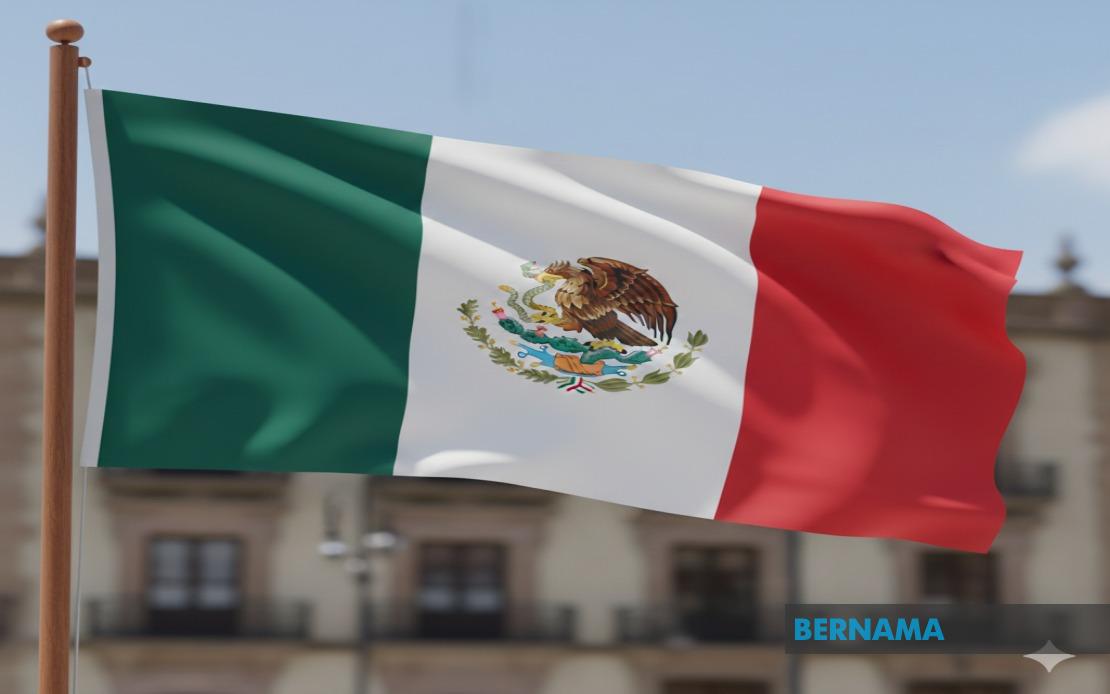
Mexico is moving beyond traditional diplomatic channels to address a growing crisis involving the deaths of its citizens in US immigration custody, formally requesting that the United Nations High Commissioner for Human Rights investigate deaths linked to American immigration enforcement operations. Foreign Minister Roberto Velasco submitted a letter to UN High Commissioner Volker Türk requesting a comprehensive examination of these cases and demanding accountability from US authorities, according to announcements from Mexico's Foreign Ministry on Tuesday.
The decision represents a significant hardening of Mexico's position under President Claudia Sheinbaum, who declared last week that her government would pursue formal legal remedies alongside diplomatic channels. This dual-track approach signals frustration with the pace of American responsiveness and reflects mounting pressure from Mexican civil society and families of the deceased to secure justice through binding international mechanisms. The UN review would assess whether these incidents align with US obligations under international human rights law and could trigger formal recommendations or referrals to specialized UN Human Rights Council procedures.
According to Mexican government statistics, the toll has been substantial: three Mexican nationals have died during enforcement operations conducted by Immigration and Customs Enforcement, commonly known as ICE, while an additional fourteen have perished while detained in deportation facilities. These numbers underscore the systemic nature of the concerns driving Mexico's escalation to international bodies, suggesting patterns rather than isolated incidents that might otherwise be addressed through standard diplomatic complaints.
Mexico's legal offensive is multi-pronged and designed to create pressure at every institutional level. The Attorney General's Office, working in coordination with the Foreign Ministry, is preparing a formal complaint for submission to the US Justice Department via the Mexican embassy in Washington. This approach targets the senior federal law enforcement authority responsible for ICE operations and establishes a paper trail that could support future civil actions or influence policy decisions.
Simultaneously, Mexican diplomatic missions have begun filing complaints with state-level prosecutors in jurisdictions where deaths occurred, recognizing that US federalism creates multiple potential avenues for investigation and accountability. The country has also taken the unprecedented step of issuing formal cease-and-desist letters to specific detention facilities, beginning with the Adelanto detention centre in California. These letters represent the first formal steps toward potential civil litigation, signalling that Mexico is prepared to pursue damages through American courts if diplomatic channels and federal prosecutions prove insufficient.
The case of Lorenzo Salgado Araujo exemplifies the tensions underlying Mexico's escalating response. On July 7, the Houston resident, who had built a life in Texas over more than thirty years and established a construction business, was fatally shot during an ICE enforcement operation. The US Department of Homeland Security provided an account stating that Salgado Araujo ignored officers' commands, rammed a law enforcement vehicle, and attempted to strike an officer with his car, prompting an ICE officer to discharge their firearm. This official narrative, however, has not satisfied his family, advocacy organizations focused on immigration rights, or Democratic politicians who have called for independent investigation.
The demands for independent scrutiny reflect broader concerns about transparency and accountability in immigration enforcement. When government agencies investigate their own operations, structural incentives can discourage findings that implicate officers or agencies in wrongdoing. The involvement of civil rights organizations and elected officials signals that these cases have transcended border-specific issues to become part of broader American political debates about police accountability, immigration policy, and the treatment of vulnerable populations.
For Southeast Asian readers, Mexico's strategy offers instructive lessons about protecting nationals abroad. Many countries in the region have substantial diaspora communities working in the United States, and Mexico's approach of combining UN pressure, federal legal action, state-level complaints, and facility-specific cease-and-desist notices provides a comprehensive template for accountability. The focus on creating multiple pressure points—international, federal, state, and civil—maximizes leverage when a bilateral relationship alone may yield insufficient results.
Mexico's actions also reflect broader hemispheric concerns about immigration enforcement practices and their human consequences. As the country through which much Central American migration passes en route to the United States, Mexico has developed sophisticated understanding of how enforcement systems operate and how deaths in custody can be obscured or minimized. By appealing to UN mechanisms, Mexico signals that it views these incidents not as isolated law enforcement matters but as potential human rights violations requiring international scrutiny.
The UN High Commissioner's investigation, should it proceed, would examine whether the deaths resulted from excessive force, inadequate medical care, or unsafe conditions in detention facilities. Such an investigation could establish international documentation of patterns that individual cases might not reveal, strengthening arguments for policy reform and providing moral and legal support to families seeking justice.
Mexico's escalation comes at a time of broader tensions over immigration policy, with American enforcement operations intensifying and Mexican nationals representing a significant proportion of those detained and deported. The government's willingness to pursue legal action against US authorities signals that it will no longer absorb criticism passively but will hold Washington accountable through every available mechanism—a posture that may encourage other nations with citizens affected by US immigration enforcement to pursue similar strategies.
The weeks ahead will determine whether Mexico's multi-layered pressure campaign yields concrete results: independent investigations, policy changes, compensation for families, or systemic reforms in how ICE conducts operations and oversight. The UN review process, while potentially slow, could establish authoritative findings that support Mexico's legal claims and create diplomatic costs for the United States if findings suggest serious violations of international obligations.

