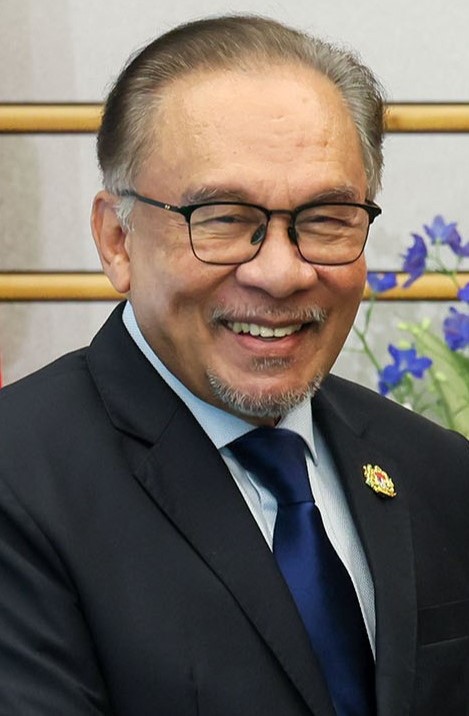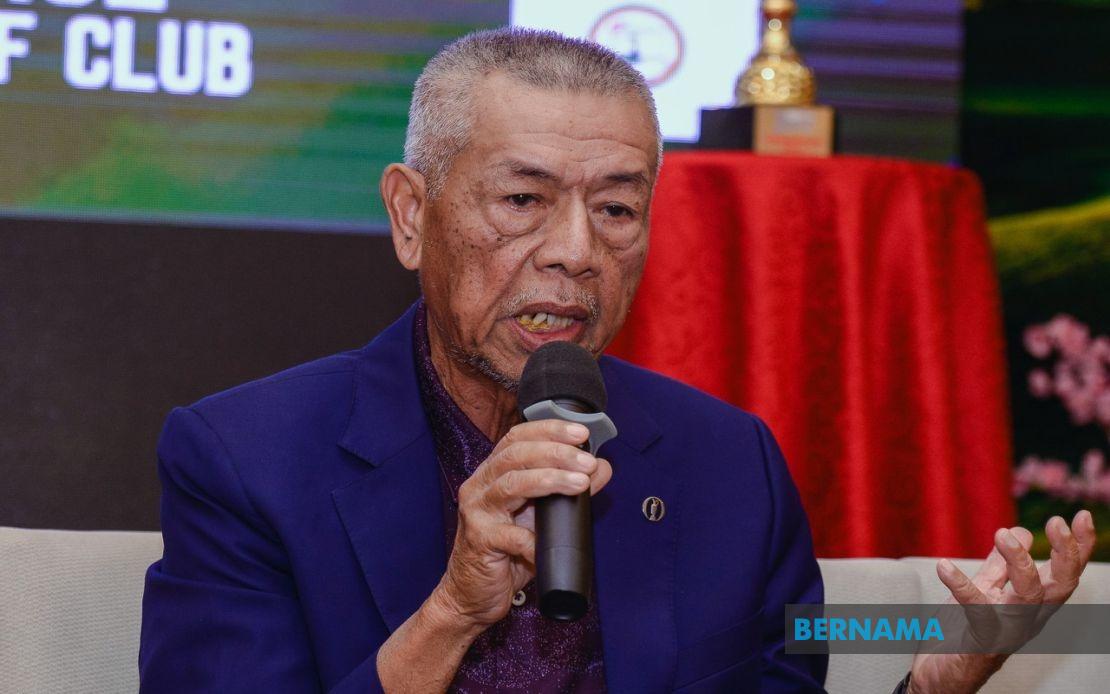
The Malaysian Golf Association has formally requested assistance from the Ministry of Youth and Sports to establish a permanent national coach position, marking a strategic push to elevate the country's competitive readiness for the 2027 SEA Games that Malaysia will host. Tan Sri Mohd Anwar Mohd Nor, the MGA's president, raised this priority during recent discussions with Datuk Rahimi Ismail, the ministry's secretary-general, signalling that coaching infrastructure has emerged as a critical gap in the nation's golf development pathway.
The creation of a dedicated full-time coaching role represents more than administrative restructuring; it reflects the MGA's recognition that sustained technical support is essential for building a cohesive and competitive national programme. Mohd Anwar emphasised during the launch of the 100PLUS MGA National Junior Development Programme Junior Series 2026 at The Mines Resort & Golf Club that securing a high-calibre international coach would enable the association to construct a more systematic and coherent preparation strategy. Without consistent guidance and long-term planning, Malaysian golfers risk falling further behind regional competitors whose nations have already invested heavily in specialist coaching staff.
Beyond the coaching position, the MGA has outlined an expansive preparatory roadmap that extends well into the critical months preceding the September 2027 Games. The association is actively exploring multiple training initiatives, including the possibility of conducting intensive development camps in Sarawak. This geographic diversification would tap into underutilised golfing talent pools across the country and expose young players to different course conditions and playing environments, ultimately broadening the selection base for the national team.
Mohd Anwar's recent meeting with Datuk Seri Abdul Karim Rahman Hamzah, Sarawak's Minister of Youth, Sports and Entrepreneur Development, underscores this commitment to leveraging state-level resources and infrastructure for national objectives. Such inter-state coordination has historically yielded positive outcomes in Malaysian sports, allowing centralised national programmes to integrate regional expertise and facilities. Sarawak's established golf facilities and emerging talent pool position the state as a valuable partner in this preparation effort.
The MGA's approach reflects a broader understanding that hosting the SEA Games demands comprehensive domestic readiness across multiple layers. Beyond securing coaching expertise, the association recognises the necessity of close collaboration with the National Sports Council and the Ministry of Youth and Sports to navigate funding allocations, athlete support schemes, and the bureaucratic mechanisms that govern elite sports development in Malaysia. These partnerships are not mere formalities but essential conduits through which government resources, training grants, and international opportunities flow to athletes and sports bodies.
The timing of this appeal carries particular significance. With less than three years until the Games arrive on Malaysian soil, window for establishing new coaching infrastructure and implementing structured long-term programmes is narrowing rapidly. Neighbouring nations such as Thailand, Indonesia, and Vietnam have already begun their own SEA Games preparations, potentially recruiting experienced international coaches and consolidating their competitive advantages. Malaysia's delay in securing permanent coaching positions risks placing the national golf team at a disadvantage against rivals who benefit from continuity in technical guidance and strategic planning.
The junior development programme series being launched at this juncture demonstrates the MGA's commitment to building a sustainable talent pipeline that extends beyond the 2027 Games. By investing in grassroots and youth-level instruction now, the association is laying groundwork for future international competitiveness while simultaneously creating a deeper roster from which senior team selections can be drawn. This dual-track approach—immediate preparation for 2027 whilst building long-term institutional capacity—reflects mature sports administration thinking.
From a Malaysian sports perspective, the MGA's advocacy for full-time coaching positions carries implications beyond golf alone. Success in securing these resources would validate the broader principle that Malaysian sports bodies require sustained government investment in technical expertise and infrastructure to compete regionally and internationally. Golf, often perceived as peripheral to mainstream sports funding priorities in Malaysia, stands as a proving ground for whether systemic support for Olympic and Games-designated sports can be coordinated effectively between multiple government agencies and national sports bodies.
The Ministry of Youth and Sports and the National Sports Council now face a test of their commitment to comprehensive SEA Games preparation. Granting the MGA's request for permanent coaching positions would signal that host-nation advantage encompasses not merely venue quality and organisational logistics, but genuine competitive readiness across all delegated sports. Conversely, delays or refusals could handicap Malaysian golf on home soil, potentially undermining the national prestige that a successfully executed SEA Games hosting is meant to project.