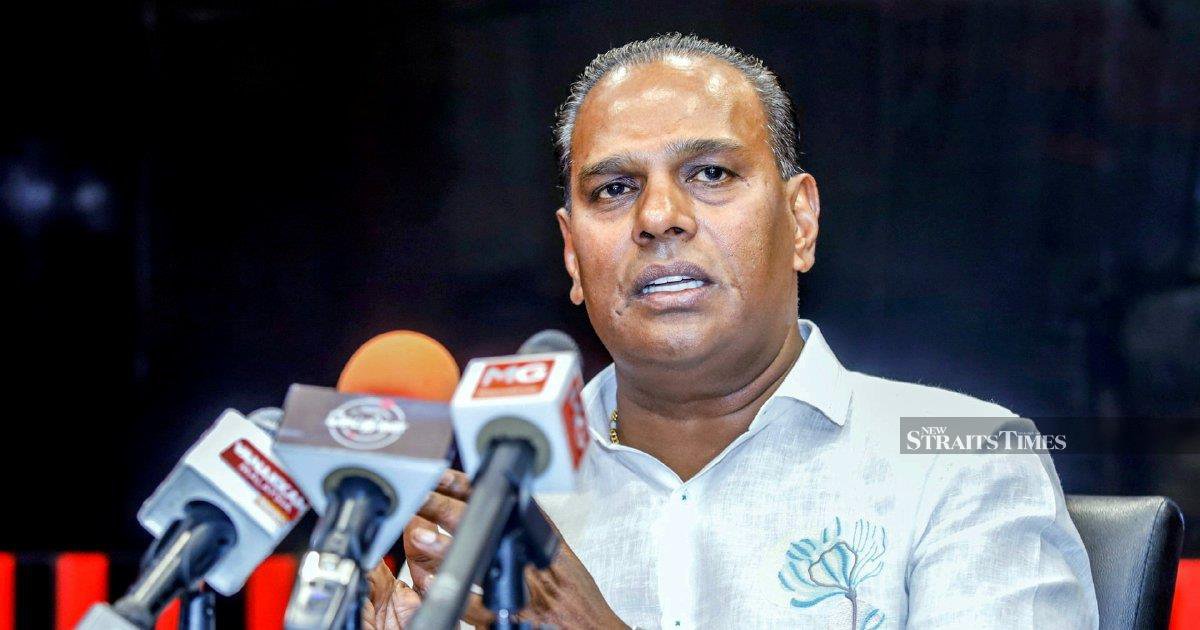
Datuk Seri M. Saravanan, the deputy president of the Malaysian Indian Congress (MIC), has formally confirmed that legal charges will be filed against him at the KL Sessions Court, bringing a high-profile political figure closer to the judicial process. The confirmation signals the progression of what has been a closely watched case within Malaysia's political establishment, particularly given Saravanan's prominent position within one of the country's major component parties in the Barisan Nasional coalition.
The move represents a significant moment in Malaysian legal proceedings, as charges against senior political figures attract considerable public scrutiny and media attention. Saravanan's acknowledgement that he will face these charges suggests a level of coordination between legal authorities and the accused party, indicating transparency about the timeline and formal process ahead. Such confirmations often precede court appearances where formal charges are read out and bail considerations are addressed.
The KL Sessions Court, which handles serious criminal matters, has been designated as the venue for proceedings against the MIC deputy president. This choice of court indicates the severity of the matter being pursued by prosecuting authorities. The Sessions Court system in Malaysia typically deals with indictable offences that fall within its jurisdiction, suggesting the charges carry substantial legal weight.
For Malaysia's Indian community and the broader business establishment, Saravanan's case carries particular significance. His position within the MIC—one of the three main components of the ruling coalition—places him at the intersection of party politics, government administration, and judicial accountability. The case underscores ongoing efforts by authorities to investigate matters involving senior political figures, reflecting the contemporary emphasis on accountability that has characterized recent administrations.
The timing of the legal proceedings reflects established judicial practices in Malaysia, where formal charges are typically presented before a court after investigative processes have been completed. The confirmation of his appearance suggests that investigative agencies have concluded their work and passed the matter to the attorney general's chambers for prosecution. This progression indicates confidence among legal authorities that sufficient evidence exists to proceed with formal charges.
From a broader political perspective, the case involving a MIC deputy president carries implications for the party's internal stability and public standing. As Malaysia's Indian-focused political vehicle within the coalition government, the MIC has faced various challenges in recent years regarding representation and relevance. The legal proceedings against one of its senior office-holders may prompt discussions within party structures about governance and accountability frameworks at the highest levels of party leadership.
The Malaysian judicial system has demonstrated increased willingness to pursue cases involving political figures regardless of their status or party affiliation. This development reflects a broader shift toward institutional independence and the rule of law, particularly following significant political changes in the country. The fact that a deputy president of an important coalition party is being charged through normal legal channels demonstrates that no position automatically insulates individuals from legal accountability.
For the business community and investors in Malaysia, such cases provide insight into the enforcement environment and the commitment of legal authorities to addressing alleged wrongdoing. International observers frequently assess the strength of a nation's institutional frameworks by examining how legal systems handle cases involving prominent figures. Saravanan's case will likely form part of that broader assessment of Malaysian governance standards and institutional independence.
The KL Sessions Court appearance will bring the matter before a judicial officer who will have responsibility for managing the proceedings, hearing evidence, and ultimately rendering judgments. The court process will unfold according to established Malaysian criminal procedure codes, ensuring that standard legal protections and processes are observed throughout the case. Both prosecution and defence teams will have opportunities to present their respective cases and arguments as the matter progresses through the legal system.
Stakeholders across Malaysia's political, business, and civil society sectors will be monitoring the case as it develops. The proceedings may establish important precedents regarding how the legal system treats individuals at senior levels of political party hierarchies. Additionally, the case will likely attract international attention from observers tracking judicial independence and anti-corruption enforcement in Southeast Asia, where Malaysia's performance in these areas carries regional significance.
The confirmation of charges coming from Saravanan himself suggests a measured approach to managing legal proceedings and suggests his legal team is engaging constructively with the process. Such cooperation and transparency can sometimes influence how courts subsequently view matters, though guilt or innocence remains determined solely by the strength of evidence presented and legal arguments advanced during formal proceedings. The next phase will involve the actual court appearance where charges will be formally read and initial bail or remand considerations will be addressed before the substantive legal proceedings commence.

