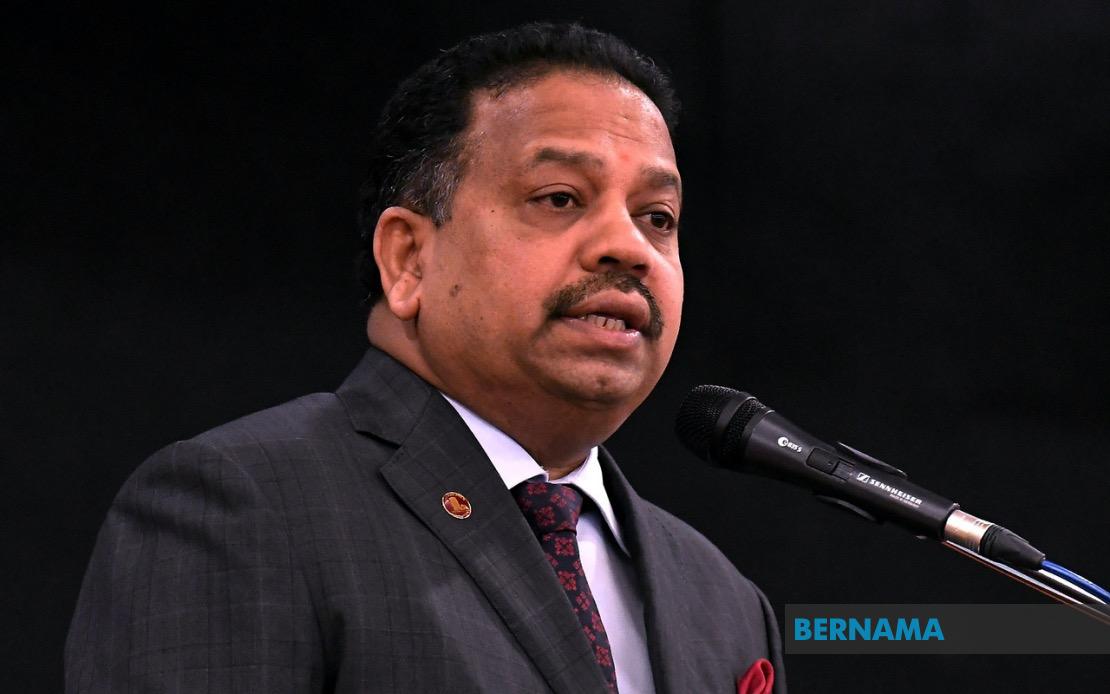
Tan Sri S.A. Vigneswaran, president of the Malaysian Indian Congress, has expressed optimism that voters from the Indian community will continue backing Barisan Nasional candidates contesting the Johor state election, particularly those fielded under the MIC ticket. Speaking at a press conference in Kulai on July 10, Vigneswaran grounded his confidence in what he characterised as the productive working relationships MIC has cultivated with both the federal administration and the Johor state government in tackling matters affecting the Indian population.
The forthcoming Johor state election represents a significant opportunity for the coalition to consolidate support among a demographic that has historically formed a crucial component of the BN's electoral base. Vigneswaran's remarks underscore the party's strategy of emphasising tangible outcomes and collaborative governance rather than relying solely on traditional party loyalty. In a political landscape increasingly shaped by voter demand for material improvements and responsive representation, MIC's emphasis on problem-solving capacity carries particular weight among constituents assessing whether their concerns receive adequate attention from elected officials.
During his address, Vigneswaran stressed the importance of state-level representatives who could work effectively alongside the Johor government to translate community grievances into actionable solutions. This framing suggests MIC is positioning itself not merely as a representative of Indian interests but as a bridge between the community and government machinery. The emphasis on collaborative governance reflects broader trends in Malaysian electoral politics, where voters increasingly evaluate candidates based on their ability to deliver services and address local issues rather than ethnic or ideological appeals alone.
MIC is fielding four candidates across the state assembly elections: K. Raven Kumar contesting the Kemelah seat, V. Rugendran in Kahang, P. Pannir Selvam in Perling, and R. Kumaran in Bukit Batu. This distribution across multiple constituencies indicates the party's ambition to expand its presence within the state legislature and strengthen its negotiating position within any potential coalition government. For the Indian electorate in these areas, the availability of community-identified candidates offers a direct pathway to advocacy and representation at the state level.
Throughout the campaign period, Vigneswaran highlighted MIC's commitment to maintaining what he termed a mature approach, consciously avoiding personal attacks on political opponents while directing resources toward articulating solutions for public concerns. This strategic choice reflects a calculated assessment that the Indian electorate responds more favourably to constructive engagement than to negative campaigning. In a multi-ethnic democracy like Malaysia, where communal sensitivities remain significant, such positioning allows MIC to maintain its standing as a responsible political force while distinguishing itself from competitors perceived as more confrontational.
Duringthe press conference, Vigneswaran also addressed allegations circulated by a Tamil-language news portal, which had claimed that MIC had received government funds totalling RM221 million. Vigneswaran dismissed these claims as inaccurate and misleading, clarifying that the financial allocations in question were actually annual grants directed toward AIMST University, an institution owned by a foundation and operated on a non-profit basis. This distinction carries importance for public understanding of government resource allocation and the actual relationships between political parties and educational institutions.
According to Vigneswaran, since Datuk Seri Anwar Ibrahim assumed the position of Prime Minister in 2023, the government has provided RM25 million in annual grants to AIMST University, with the current year included in this allocation. These funds are designated for specific institutional purposes: upgrading residential facilities for students, implementing renewable energy systems through solar panel installation, and reducing operational expenses. By maintaining lower operational costs, the university can theoretically sustain more affordable student fees and reduce the financial burden on families seeking higher education, particularly benefiting students from middle and lower-income backgrounds.
Vigneswaran explained that all allocations to the university undergo formal auditing procedures and are directed exclusively toward the stated operational and infrastructure purposes. This emphasis on financial accountability and transparency serves to counter suggestions of improper channelling of public resources. For Malaysian taxpayers, understanding how government grants are deployed in the education sector remains a matter of legitimate public interest, particularly given the relationship between educational access and socioeconomic mobility for minority communities.
In response to what he characterised as defamatory reporting, Vigneswaran indicated that MIC's legal team had received instructions to send a letter of demand to the Tamil portal requiring a correction and retraction of the disputed claims. This legal approach represents a standard response to allegations the party considers factually incorrect and damaging to its reputation. The incident underscores ongoing tensions within Malaysian media landscapes regarding accuracy, the distinction between political commentary and factual reporting, and the accessibility of legal recourse for parties believing themselves wrongly portrayed.
The broader context surrounding this election involves the consolidation of Malaysia's political structures following the 2023 general election and subsequent shifts in federal leadership. The Johor state contest takes place within this evolving landscape, where voter expectations regarding government performance have been heightened by campaign promises and policy announcements. For Indian voters specifically, the election represents an opportunity to assess whether political parties have made meaningful progress on historical concerns including educational access, economic opportunities, occupational representation in government service, and cultural preservation.
MIC's confidence in retaining Indian voter support rests partly on its positioning as the primary political vehicle through which the Indian community negotiates with the BN coalition and the broader Malaysian state. As a component of the dominant coalition at the federal level and a participant in most state administrations, MIC carries both advantages—access to government machinery and resource distribution—and vulnerabilities, including expectations that it should demonstrate tangible benefits for its constituents. The Johor election will provide measurable indication of whether the party's strategy of emphasising collaborative governance and problem-solving resonates with voters or whether broader dissatisfaction with economic conditions, employment prospects, or educational opportunities transcends party loyalty considerations.

