The Malaysian Indian Congress has committed to defending its single parliamentary seat in Melaka at the forthcoming state election, whilst simultaneously exploring the possibility of expanding its electoral footprint across the state, according to a statement by the party's deputy president Datuk Seri M. Saravanan. This measured approach reflects MIC's strategic positioning within the broader Barisan Nasional coalition framework, as the minority-based party seeks to strengthen its representation whilst maintaining realistic expectations about electoral viability in an increasingly competitive political landscape.
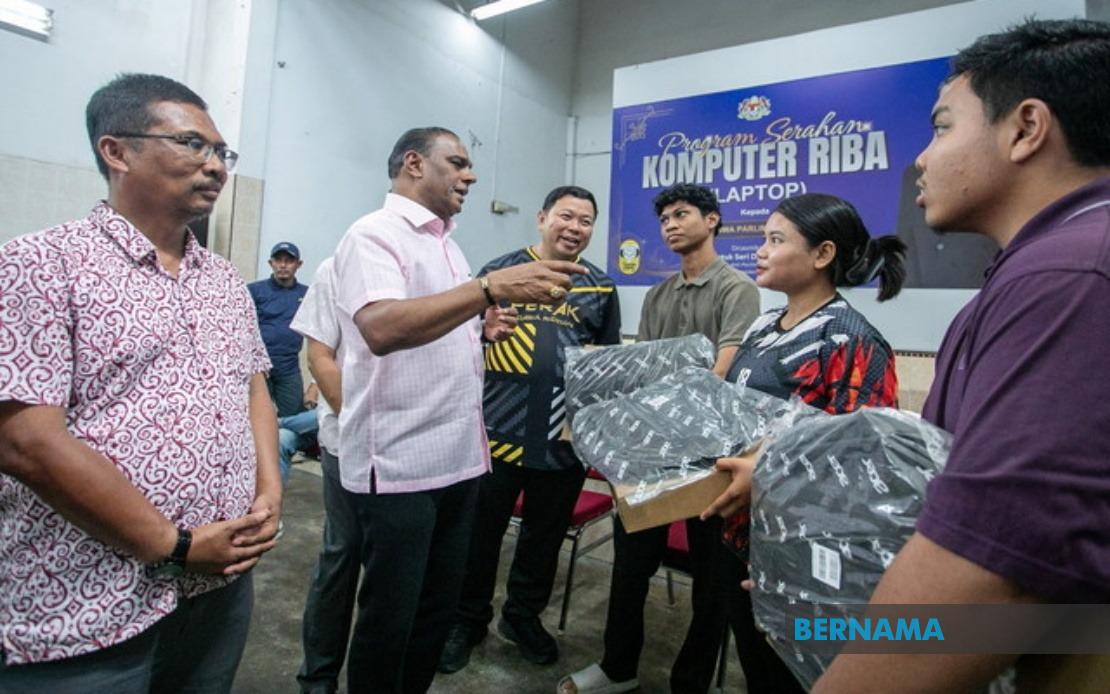
Speaking after an educational programme in Tapah, Saravanan indicated that any decision regarding additional constituencies would depend on a rigorous assessment conducted by the party leadership. The evaluation encompasses multiple interconnected variables, encompassing the demographic composition and political dynamics of prospective constituencies, the calibre and electability of potential candidates who might carry the MIC banner, and the genuine probability of securing electoral victories in those areas. This multifaceted approach underscores how contemporary Malaysian politics demands parties to be strategic rather than opportunistic when fielding candidates.
The Tapah Member of Parliament noted that party president Tan Sri S A Vigneswaran was actively engaged in identifying and evaluating suitable candidates for nomination, with an announcement regarding these selections anticipated in the near term. This vetting process is critical for MIC, particularly given the party's need to field candidates who can resonate with Indian Malaysian voters while simultaneously appealing to broader multiethnic constituencies. The leadership's careful deliberation suggests awareness that rushed candidate selection could undermine the party's electoral prospects.
MIC has already initiated grassroots mobilisation efforts in preparation for the election campaign. These preliminary activities focus on voter identification strategies, with particular emphasis on locating and energising the party's core support base among Indian Malaysian communities. Beyond voter mapping, the party is simultaneously conducting an assessment of contemporary socio-political issues that may influence voter behaviour and electoral outcomes. This dual-track approach demonstrates recognition that successful electoral campaigns require both structural organisation and substantive engagement with voter concerns.
The party's defensive posture regarding Gadek reflects the outcome of the 2021 Melaka state election, when MIC successfully retained this constituency under the Barisan Nasional coalition banner. The incumbent candidate VP Shanmugam secured victory in a highly competitive six-way contest with a relatively narrow majority of 559 votes. This slim margin underscores the vulnerability of the seat and explains why MIC considers its defence strategically imperative, notwithstanding any ambitions to expand representation elsewhere in Melaka.
MIC's position within Malaysian politics has historically reflected the communal representation model that underpins the Barisan Nasional framework. As a party principally representing Indian Malaysian interests, MIC typically contests a limited number of seats where its community comprises a substantial voter proportion. The consideration of expanding beyond Gadek potentially signals either demographic shifts in specific Melaka constituencies or evolving coalition arrangements within Barisan Nasional that might enable MIC greater electoral opportunities than previously available.
The timing of this announcement carries significance for Malaysian political observers tracking coalition dynamics ahead of the Melaka election. Barisan Nasional's internal negotiations regarding seat allocations among component parties—including MIC, the United Malays National Organisation, the Malaysian Chinese Association, and smaller constituent organisations—remain fluid. MIC's exploration of additional seats may reflect broader coalition discussions about optimal seat distribution that could maximise Barisan Nasional's competitive position against the opposition, particularly given the Pakatan Harapan coalition's continuing electoral relevance in state-level contests.
For Indian Malaysian voters, MIC's electoral revival efforts carry implications regarding community political representation and advocacy. The party's presence in state legislatures influences resource allocation and policy responsiveness to Indian Malaysian concerns including education, business opportunities, and welfare provision. A strengthened presence in Melaka could enhance the community's political leverage within state governance structures, though much depends on candidate quality and campaign effectiveness.
The broader Melaka political context involves complex intercommunal considerations. The state has historically been a Barisan Nasional stronghold, though recent election cycles have demonstrated growing voter volatility and declining majorities for the long-governing coalition. MIC's expansion ambitions must be evaluated against this backdrop of shifting electoral competition, where opposition parties have increasingly targeted disaffected voters across all communities. Whether MIC can identify constituencies where it maintains sufficient community support whilst appealing to multiethnic electorates remains a critical question for the party's expansion strategy.
Saravanan's comments reflect evolving patterns in Malaysian coalition politics, where smaller component parties increasingly scrutinise their electoral viability and leverage within larger coalitions. MIC's careful approach to seat selection, rather than contesting maximally, demonstrates pragmatic recognition of the party's actual competitive capacity. This contrasts with earlier eras when component parties sometimes fielded candidates opportunistically regardless of winning prospects, resulting in fractured opposition votes and wasted resources.
The election campaign planning already underway within MIC indicates the party recognises the intensifying competition for Indian Malaysian votes. Beyond traditional Barisan Nasional support, MIC must contend with opposition parties offering competing visions for community advancement and with alternative forms of political mobilisation among younger, urban Indian Malaysians. Successful voter identification and engagement therefore requires not merely operational logistics but substantive engagement with community grievances and aspirations.
As MIC proceeds with its Melaka election preparations, the party's evolving strategy will likely influence broader coalition calculations within Barisan Nasional. The outcome of these internal negotiations—regarding both seat allocations and candidate selections—will substantially determine whether the coalition can arrest declining electoral momentum or faces continued erosion of its historical dominance in state politics. For Malaysian observers tracking coalition dynamics and minority community representation, MIC's Melaka electoral positioning warrants close attention.

