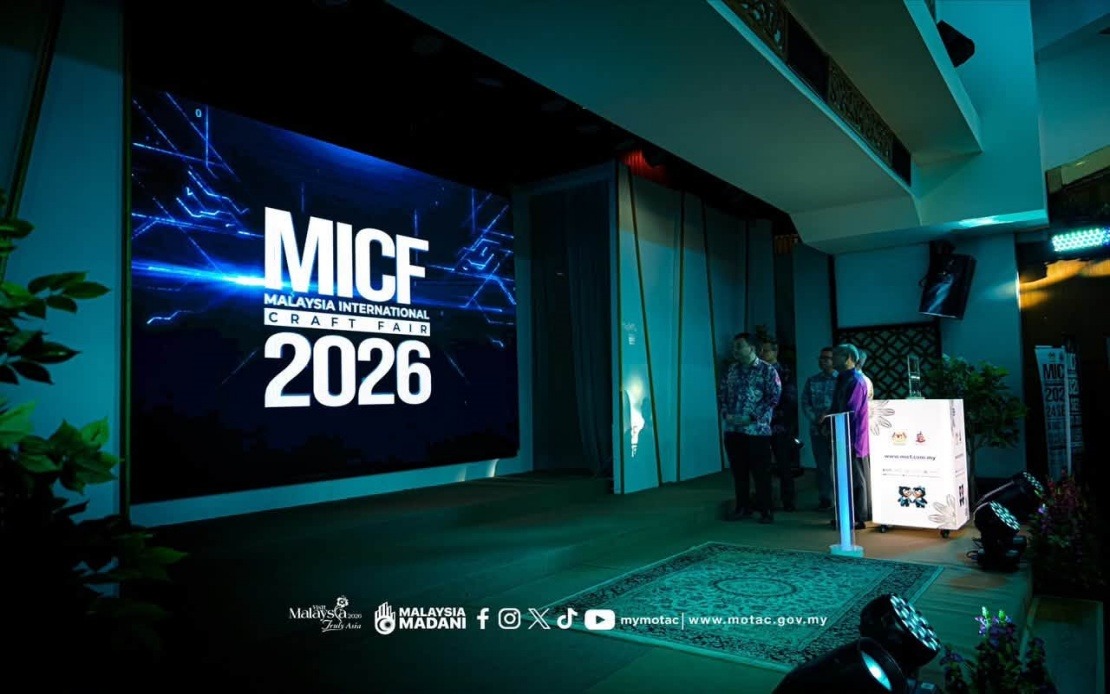
Malaysia's premier craft event will return in 2026 with unprecedented scale and international participation. Kraftangan Malaysia has confirmed that the Malaysia International Craft Fair will host approximately 400 artisans and craft practitioners across a 12-day exposition running from September 24 to October 5 at the Kuala Lumpur Craft Complex. The event structure reflects a deliberate push to balance homegrown talent with overseas participation, drawing 300 participants from Malaysia alongside 100 international representatives spanning more than 20 countries. This mix promises to create a dynamic marketplace where traditional techniques encounter contemporary commercial opportunities.
The fair's design emphasizes cross-border collaboration and knowledge transfer. Kraftangan Malaysia has positioned the event as a catalyst for forge meaningful business relationships and forge strategic alliances among global artisans. Beyond commercial transactions, organisers aim to facilitate market expansion for local craftspeople seeking international buyers and exposure. For visiting foreign artisans, the platform offers a gateway to Southeast Asian markets and opportunities to study Malaysian production methods and consumer preferences.
Six nations have committed to hosting dedicated craft demonstration zones, each showcasing signature techniques that reflect centuries of cultural heritage. China will present jade carving traditions, while New Zealand brings Maori carving expertise. Uzbekistan will display jewellery art techniques, Sri Lanka will feature beeralu lace work, Indonesia will demonstrate leather art craftsmanship, and India will exhibit tarkashi brass inlay work. These curated demonstrations serve educational purposes for visitors while allowing international practitioners to engage directly with Malaysian audiences and potential business partners.
The Malaysian contingent comprises ten established craft masters and entrepreneurs who will represent local traditions and contemporary innovations. Their participation underscores the organisers' commitment to elevating domestic craft sectors on an international stage. These master craftspeople will likely serve as mentors and cultural ambassadors, bridging knowledge gaps between international visitors and Malaysia's own craft heritage.
The programming extends well beyond static exhibitions. The fair will incorporate craft exhibitions showcasing finished works, expressions of artistic vision, and explorations of experimental techniques. An International Craft Talk series will facilitate dialogue among artisans about market trends, production challenges, and artistic evolution. An International Fashion Showcase component suggests organizers are positioning crafts within contemporary design contexts, appealing to fashion-conscious consumers alongside traditional collectors. Cultural performances throughout the venue will provide atmospheric entertainment while celebrating global artistic diversity.
Interactive programming will engage visitors beyond observation. Hands-on activities and workshops will invite attendees to attempt craft techniques themselves, demystifying artisanal processes and potentially converting spectators into customers. Strategic partner involvement has enabled the organisation of traditional cooking demonstrations, adding gastronomic dimensions to the cultural exchange and creating additional reasons for extended visits.
Operating hours reflect commercial optimization. The fair runs daily from 10 am to 10 pm, accommodating both daytime leisure visitors and evening shoppers. This extended schedule maximises foot traffic and sales opportunities across diverse demographic segments. The 12-day duration strikes a balance between sustainability and intensity—long enough to justify international travel commitments but concentrated enough to maintain visitor momentum and media attention.
The pre-launch ceremony, officiated by Deputy Minister of Tourism, Arts and Culture Chiew Choon Man at the Kuala Lumpur Craft Complex, signals government backing for the initiative. Official endorsement at ministerial level reflects recognition of craft industries' cultural significance and economic potential. Government support typically facilitates venue access, promotional resources, and potentially visa facilitation for international participants.
For Malaysia's craft sector, MICF 2026 represents an opportunity to counterbalance industrial manufacturing narratives with artisanal excellence. The fair demonstrates that traditional skills remain commercially viable and culturally relevant in contemporary markets. For Southeast Asian craft practitioners more broadly, the event provides a regional hub for market access and professional networking without requiring individual international travel investments. The Kuala Lumpur venue positions Malaysia as a craft trade hub within the broader ASEAN economic architecture, potentially attracting craft tourism and generating downstream benefits for local hospitality and retail sectors.
The emphasis on diverse international craft traditions suggests organizers recognize that global audiences increasingly value authentic, heritage-based products as counterweights to mass-produced alternatives. By curating distinct national craft traditions rather than pursuing a homogenised international aesthetic, MICF 2026 celebrates specificity and cultural authenticity. This positioning appeals to premium market segments willing to pay price premiums for verified artisanal provenance and cultural narratives.
The fair also addresses Malaysian craft sector challenges regarding market access and visibility. Domestic artisans often lack resources for international marketing or business development. An orchestrated event providing simultaneous buyer and fellow practitioner access reduces transaction costs and information asymmetries that typically disadvantage small-scale producers. Networking opportunities created during the 12-day period may generate partnerships extending well beyond the event dates.
For tourism stakeholders, MICF 2026 offers calendar diversification and appeals to experiential travel segments. Craft fairs attract affluent visitors interested in cultural immersion, authentic experiences, and unique souvenirs unavailable through conventional retail channels. Extended stays to attend the full 12-day event or multiple visits generate accommodation, dining, and transportation revenues benefiting Kuala Lumpur's broader economy.

