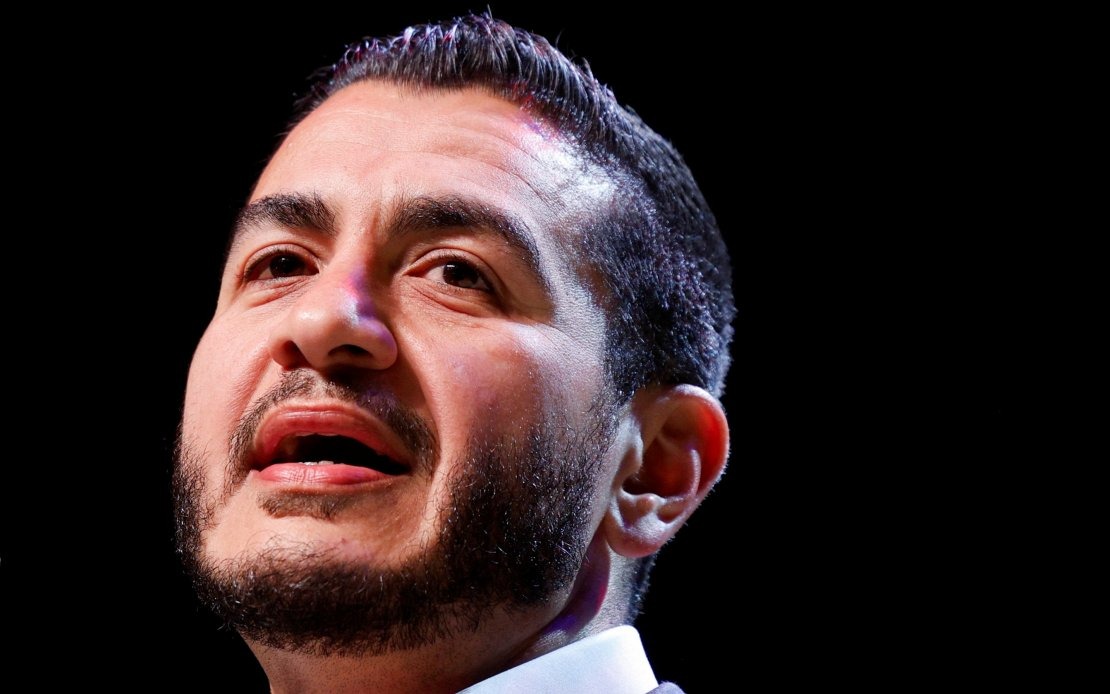
Michigan's Democratic Senate primary took centre stage on Wednesday as voters across five American states selected nominees for pivotal races ahead of November's midterm elections. Abdul El-Sayed maintained a slim advantage over US Representative Haley Stevens in the Michigan contest, though official confirmation from the Associated Press remained pending with more than nine-tenths of ballots already tallied. The outcome will determine which Democrat faces Republican Mike Rogers, who ran uncontested in his party's nomination contest to replace retiring Senator Gary Peters.
The Michigan Senate primary reflected a broader ideological fault line within the Democratic Party. Stevens commanded the backing of the state's establishment wing, including the retiring Peters himself, signalling continuity with moderate party leadership. El-Sayed, by contrast, drew vocal support from progressive figures of national prominence, including Senator Bernie Sanders and Representatives Alexandria Ocasio-Cortez and Rashida Tlaib. This generational and ideological split highlighted the party's ongoing internal tensions as it attempts to mobilise voters before November's general elections. The distinction proved particularly significant given Michigan's substantial Arab-American population and the heightened sensitivity surrounding Middle East policy within progressive circles.
The Israeli military campaign in Gaza emerged as a defining issue throughout Michigan's Democratic contests. Support for or criticism of Israel's military operations shaped campaign messaging and voter calculations across the state. El-Sayed's alignment with progressive voices calling for restraint resonated with portions of the Democratic base, whilst Stevens' more centrist positioning reflected traditional party orthodoxy on Middle East questions. This dynamic illustrated how international conflicts can penetrate American domestic politics and influence primary outcomes, particularly in states with diverse demographic compositions and active pro-Palestinian advocacy networks.
Michigan's congressional races produced clearer results. Republican Jack Bergman secured his party's nomination in the 1st Congressional District with commanding support, garnering 74.3 per cent of votes against two challengers. In the 4th District, Republican Bill Huizenga similarly consolidated Republican backing, defeating his sole primary opponent with 85 per cent of the vote. Huizenga will advance to face Democrat Sean McCann, who prevailed in his party's contest with 67.2 per cent support. These races illustrated Republican dominance in parts of Michigan's congressional map, though the general election contests remained competitive.
Kansas delivered straightforward outcomes across its major races. Republican Senator Roger Marshall demonstrated commanding primary support, defeating his challenger Pond Naramore with nearly 80 per cent of votes as precincts reported near-complete tallies. Marshall will confront Democrat Adam Hamilton, who emerged from a crowded Democratic field to secure his party's nomination. In the gubernatorial contest, Democrat Cindy Holscher prevailed in her party's primary against two rivals, setting up a general election matchup against Republican Ty Masterson. Masterson's primary victory benefited significantly from an endorsement by President Donald Trump, reflecting his continued influence within Republican nominating contests. The gubernatorial race will determine Peters' successor, as Democratic Governor Laura Kelly faced constitutional term limits preventing her reelection bid.
Missouri's primary elections unfolded against the backdrop of Republican legislative redistricting intended to strengthen the party's House prospects. In the 1st Congressional District, Democratic Representative Wesley Bell defeated four opponents, notably including former Representative Cori Bush, to secure renomination. Bell's victory over Bush indicated changing dynamics within Missouri's Democratic coalition and raised questions about progressive strength in competitive districts. Bell will face Republican Paul Berry III in the general election. The redistricting undertaken by Republican state lawmakers aimed to reduce Democratic competitive opportunities, making Democratic primary outcomes particularly consequential for the general election landscape.
Virginia's Senate race introduced a fresh Republican challenger. Bert Mizusawa claimed the Republican nomination to challenge Democratic Senator Mark Warner, who ran unopposed on the Democratic side. The setup guaranteed a competitive general election in a state where Democrats have gained ground over the past decade. In the 1st Congressional District, Democrat Shannon Taylor secured her party's nomination with 53.1 per cent support, positioning herself to challenge Republican Rob Wittman, who advanced unopposed and pursues his tenth consecutive full term. In the 2nd District, former Democratic Representative Elaine Luria reclaimed her party's nomination with overwhelming support, winning 80.4 per cent of votes. She will challenge Republican Jen Kiggans in a rematch between two political heavyweights. The 7th District featured Doug Ollivant winning the Republican nomination with 56.6 per cent support to challenge first-term Democrat Eugene Vindman.
Washington's nominating process operated under an all-party system permitting all candidates regardless of affiliation to compete on a single ballot. Democratic Representative Suzan DelBene and Republican Mary Silva both advanced from the 1st Congressional District primary to the November general election. In the 3rd District, Democrat Marie Gluesenkamp Perez will confront Republican John Braun, who received Trump's endorsement. In the 6th District, Democrat Emily Randall advanced to face Republican Teresa Fox. Washington's system compressed both primary and general election dynamics into a single statewide ballot, producing different strategic incentives for candidates across party lines.
These contests collectively illustrated the midterm electoral landscape taking shape across America's competitive regions. The Michigan Senate primary particularly demonstrated how international conflicts and generational divides within parties influence nominating outcomes. El-Sayed's narrow advantage reflected appeal to younger and progressive voters mobilised by Gaza-related concerns and democratic socialism rhetoric. Stevens' establishment backing represented traditional Democratic strength among suburban professionals and minorities invested in institutional continuity. For Malaysian observers following American politics, these elections underscore how primary competitions frequently determine general election viability, as candidates selected through narrow coalitions must subsequently appeal to broader electorates. The emphasis placed on Gaza policy within Democratic circles also reflected shifting international sensitivities within American political discourse, particularly among younger voters and communities with direct ties to Middle East regions. As campaigns progress toward November's general elections, these primary outcomes will shape which candidates and which policy priorities compete for control of Congress.

