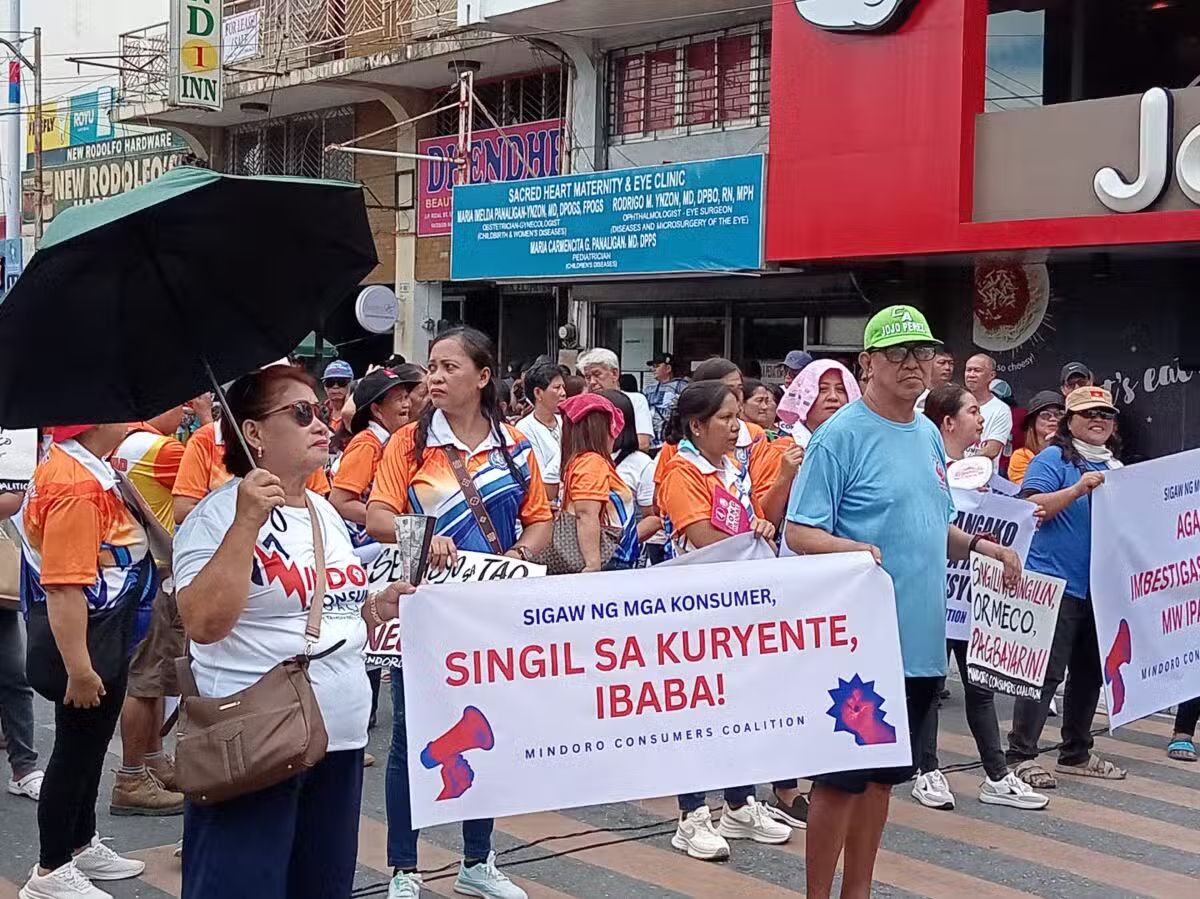
The Oriental Mindoro Electric Cooperative faces mounting pressure from consumer advocates questioning the legitimacy and fairness of its recent rate adjustments. The Mindoro Consumers Coalition has emerged as a vocal challenger to ORMECO's narrative surrounding a P1.06-per-kilowatt-hour reduction announced for July billing, arguing that the cooperative's management has deliberately obscured the true drivers behind electricity pricing in the province. Rather than accepting the utility's explanation at face value, the coalition has initiated what could become a protracted dispute over regulatory oversight and corporate accountability in the region's energy sector.
At the heart of the contention lies ORMECO's claim that the rate decrease stems directly from newly operational independent power producers supplying cheaper electricity through a 57-megawatt Competitive Selection Process. However, the coalition argues this narrative does not withstand scrutiny. The contracts governing the supply arrangements, specifically those designated as Lots IV and VII, have functioned without interruption for an entire year prior to the rate reduction announcement. Significantly, these arrangements have operated throughout this period without any form of subsidy support, according to the coalition's analysis. This timeline raises critical questions about why such a substantial rate decrease would only manifest after the contracts had been running successfully for twelve months, suggesting that other factors may have influenced pricing decisions.
The coalition further contends that ORMECO deliberately misrepresented the scope of its power-sourcing capabilities when the cooperative claimed that only two independent power producers were operational. The coalition clarifies that this characterization applies exclusively to the 57-megawatt allocation procured through the Competitive Selection Process and does not reflect the complete portfolio of power generation and purchasing arrangements serving Oriental Mindoro province. This distinction is crucial, as it suggests the cooperative may have understated its total available power sources and the genuine flexibility it possesses in managing electricity supply and pricing. The rhetorical framing employed by ORMECO management appears designed to create an impression of limited alternatives and constrained decision-making authority.
A particularly compelling concern raised by the consumer group relates to apparent inconsistencies between what ORMECO reports to regulatory authorities and what consumers actually experience in their billing statements. The coalition has identified a substantial discrepancy in how system-loss charges are calculated and communicated. When ORMECO submits official documentation to the National Electrification Administration, it declares a 10 percent system-loss rate, which represents the percentage of electricity lost during transmission and distribution. However, the actual charges assessed to consumers reach 17.5 percent. This gap of 7.5 percentage points cannot be attributed to rounding or minor accounting variations; it suggests either systematic underreporting to regulators or that consumers are being charged for losses that extend well beyond what the cooperative acknowledges in its formal filings.
The implications of this disparity extend beyond simple accounting practices. System losses constitute a legitimate operational cost that utilities must recover through rate structures, but they should be calculated transparently and consistently reported across all platforms. When a cooperative reports one figure to government agencies while imposing substantially higher charges on consumers, it raises serious questions about institutional integrity and whether management is deliberately obfuscating the true composition of electricity rates. The coalition's decision to highlight this particular inconsistency suggests they have identified what they believe to be either incompetence or deliberate misrepresentation at the management level.
OREMECO General Manager Engr. Humphrey Dolor has maintained the official position that the rate reduction represents a straightforward consequence of operational efficiency gains from the new power facilities. His statement frames the situation as a transparent outcome of market competition and improved sourcing arrangements. However, the coalition's questions have created space for alternative interpretations. If the new facilities provide cost advantages as claimed, and if system losses are genuinely at the levels reported to the National Electrification Administration, then electricity rates should theoretically be considerably lower than consumers currently experience. The fact that rates remain comparatively high despite these supposedly favorable conditions invites scrutiny of whether additional value is being extracted from consumers at various points in the supply chain.
The consumer coalition's call for investigation by Congress and relevant government agencies reflects a recognition that resolution of these disputes exceeds what can be achieved through advocacy alone. A formal inquiry would have the authority to compel documentation, interview relevant personnel, and conduct independent verification of ORMECO's operational claims and financial statements. Such an investigation could examine whether the cooperative's procurement processes were genuinely competitive, whether contractual terms represent fair value, and whether internal cost allocation methodologies properly align reported figures with actual charges. The fact that organized consumer pressure has emerged in Oriental Mindoro suggests that electricity pricing concerns have reached a threshold sufficient to mobilize grassroots mobilization.
The broader context of electricity retail in the Philippines includes ongoing tensions between consumer advocates and cooperative management structures. While rural electrification cooperatives have historically played an important role in extending power access to underserved communities, some have been criticized for lacking adequate transparency mechanisms and accountability structures. Cooperatives theoretically operate on behalf of their member-consumers, yet in practice many function with limited meaningful oversight from the constituencies they serve. The Mindoro situation exemplifies how information asymmetries can persist even in structures ostensibly designed for collective benefit, with management controlling the data flows and narratives that shape public understanding of operational realities.
The coalition's emphasis on transparency and accountability reflects an understanding that sustainable utility relationships depend on public confidence in management honesty and decision-making processes. Even if ORMECO's current rate structure is ultimately determined to be justified by operational costs and market conditions, the organization has created fertile ground for consumer skepticism through the apparent discrepancies between reported and actual figures. Rebuilding trust would require not merely defending current decisions but establishing clear, verifiable mechanisms for ongoing disclosure of key metrics including system losses, power purchase agreements, and cost allocation methodologies. The transparency demands articulated by the coalition represent a reasonable baseline for modern utility operations, particularly in contexts where consumer options are limited and regulatory oversight may be constrained.
Looking forward, the Oriental Mindoro situation will likely influence perceptions of cooperative governance and regulatory effectiveness across Southeast Asia. Consumer groups in other Philippine provinces and neighboring countries monitor how such disputes are resolved, treating them as indicators of whether organized consumers can successfully challenge utility management or whether institutional inertia and information control prove decisive. The Mindoro Consumers Coalition's willingness to escalate from internal complaints to public protest and calls for legislative investigation suggests they have concluded that conventional channels for addressing concerns are insufficient. This represents a significant development in how electricity consumers in developing markets are organizing to demand accountability from the institutions providing essential services.

