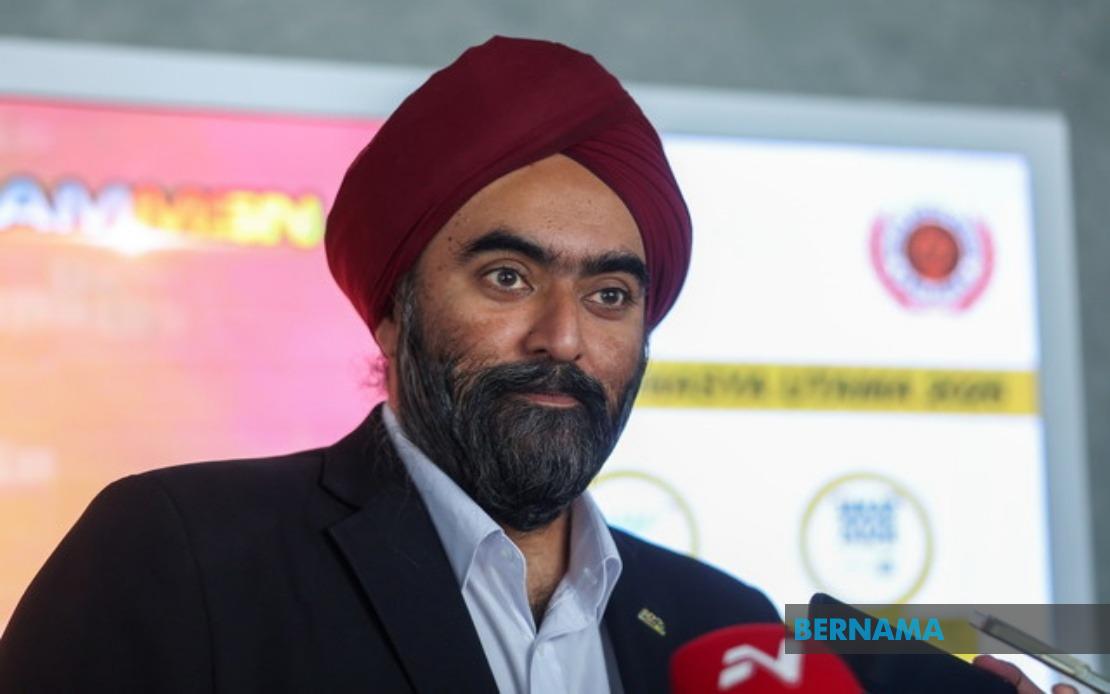
Malaysia's cycling development programme faces a critical juncture as the Malaysian National Cycling Federation (MNCF) moves to resolve tensions with primary sponsor Yayasan Sime Darby (YSD) over the postponement of the YSD Track Cycling and BMX Series 2026. Federation president Datuk Amarjit Singh Gill has publicly called for high-level negotiations, signalling a push to restore the talent development platform that has become integral to nurturing the nation's cycling prospects.
The postponement, initially announced by YSD citing unspecified technical issues linked to MNCF operations, has raised concerns about continuity in competitive opportunities for aspiring Malaysian cyclists. The series serves as a crucial pipeline for identifying and developing talent destined for regional and international competitions. Disruption to such programmes can have cascading effects on the country's ability to maintain competitive standing in track cycling and BMX disciplines, where regional rivals continue to invest heavily in youth development.
Datuk Amarjit's characterization of the dispute as fundamentally straightforward rather than intractable suggests optimism about resolution, yet his insistence on immediate executive-level dialogue underscores the seriousness with which the federation views the deadlock. The federation president has deliberately refrained from detailing the specific grievances, a strategic choice aimed at preserving room for negotiation and avoiding public escalation that might harden either party's position. This measured approach reflects diplomatic savvy within Malaysian sporting governance, where behind-the-scenes resolution often proves more effective than public posturing.
The emphasis on mutual respect and recognition of equal partnership status indicates that the underlying friction may stem from governance or operational autonomy concerns rather than financial disputes. When major sponsors and national federations clash, disagreements frequently center on decision-making authority, resource allocation transparency, or differing visions for programme direction. Yayasan Sime Darby's invocation of technical issues as the postponement rationale suggests problems in execution or coordination mechanisms, potentially within planning, regulatory compliance, or athlete management frameworks that fall under joint responsibility.
For Malaysian cycling, the timing of this dispute presents particular challenges. The sport has experienced modest but meaningful growth in regional competitiveness over recent years, with domestic programmes gradually producing athletes capable of podium finishes at Southeast Asian championships and beyond. The Le Tour de Langkawi, Malaysia's signature international cycling event, remains a flagship property that attracts global attention. Yet the health of domestic competitive structures at grassroots and developmental levels ultimately determines whether such showcase events rest on a strong foundation or face sustainability questions.
Yayasan Sime Darby's historical role as a major contributor to Malaysian sports development through various federations positions it as more than a casual sponsor. The foundation's commitment reflects corporate social responsibility considerations alongside genuine interest in cycling's growth trajectory. From the foundation's perspective, technical issues necessitating postponement likely represent legitimate operational concerns, perhaps relating to venue availability, athlete eligibility standards, regulatory compliance under International Cycling Union frameworks, or administrative capacity constraints within the MNCF.
Datuk Amarjit's public assurance that MNCF remains perpetually available for dialogue serves multiple purposes: it demonstrates federation flexibility and good faith, potentially influencing broader sporting community perception if negotiations stall, while simultaneously pressuring YSD to reciprocate by demonstrating willingness to engage. The repeated invocation of strategic partnership and mutual respect reframes the relationship as fundamentally collaborative rather than hierarchical, with the federation positioning itself as an equal stakeholder invested in programme success rather than merely beholden to sponsor preferences.
The broader context matters significantly. Southeast Asian cycling has become increasingly competitive, with regional rivals investing in systematic talent identification and development pipelines. Thailand, Vietnam, and Indonesia have each expanded their cycling programmes substantially, creating competitive pressure on Malaysia to maintain developmental momentum. Postponing a dedicated track and BMX series removes visible pathways for young athletes and potentially signals to prospective participants that cycling lacks institutional stability or investment commitment within Malaysia's sports ecosystem.
Resolution frameworks for such disputes typically involve creating new governance structures, clarifying operational responsibilities, or adjusting programme parameters to address sponsor concerns while preserving core developmental objectives. The MNCF and YSD likely possess sufficient institutional flexibility to accommodate mid-course corrections, provided both parties demonstrate negotiating commitment. The relatively calm and professional tone adopted by Datuk Amarjit suggests he believes substantive common ground exists, requiring only proper executive-level articulation and mutual problem-solving rather than fundamental realignment of interests.
The stakes extend beyond the immediate calendar year. A successful resolution would reinvigorate planning certainty for upcoming seasons and strengthen confidence among younger athletes considering career dedication to track and BMX disciplines. Conversely, prolonged deadlock risks creating organizational uncertainty that discourages participation and complicates long-term programme planning. Malaysian cycling's competitive trajectory depends significantly on such foundational support systems functioning reliably, making the swift resolution that Datuk Amarjit seeks operationally critical to the sport's institutional health and developmental prospects.

