Prime Minister Narendra Modi of India travelled to Indonesia this week for high-level talks with President Prabowo Subianto, underscoring the strategic importance both nations attach to their bilateral relationship amid shifting geopolitical currents in Asia. The meeting at Jakarta's Merdeka Palace on Tuesday marked a significant moment for two of the region's largest democracies as they seek to deepen cooperation on multiple fronts ranging from defence procurement to energy security. Modi's arrival in Indonesia's capital on Monday, greeted ceremonially by Prabowo at Halim Perdanakusuma Air Force Base with an escort of three Indonesian fighter jets, symbolised the prominence Jakarta accords to its ties with New Delhi during a period of considerable global economic uncertainty.
The breadth of discussions between the two leaders reflects the comprehensive nature of the India-Indonesia partnership. Defence and security matters, including advanced military procurement, took centre stage alongside conventional economic cooperation. Trade and investment opportunities, food security challenges, energy cooperation, and the critical strategic importance of access to rare earth minerals and other critical resources figured prominently in the bilateral agenda. Additionally, both nations flagged capacity-building initiatives across healthcare and education sectors as areas for expanded collaboration. Indonesian Foreign Minister Sugiono confirmed that eight bilateral agreements and several memorandums of understanding would be formalised during Modi's three-day stay, a substantial institutional commitment to deepening the relationship.
Modi's visit to Indonesia represents his second journey to the archipelago as prime minister, following an earlier visit in 2018. The timing carries added significance given that Prabowo attended India's Republic Day celebrations last year as chief guest, demonstrating the mutual respect and priority both governments assign to cultivating personal relationships at the highest levels. This reciprocal engagement over consecutive years suggests a deliberate strategy by both New Delhi and Jakarta to institutionalise their strategic partnership, moving beyond episodic high-level meetings to establish sustained mechanisms for cooperation and coordination.
Defence cooperation has emerged as a particularly significant dimension of the bilateral relationship. Indian Ambassador to Indonesia Sandeep Chakravorty indicated that Indonesia has expressed substantial interest in acquiring India's BrahMos supersonic cruise missile system, with negotiations having progressed to an advanced stage. Such defence procurement would represent a concrete manifestation of growing military-to-military ties and underscore Indonesia's confidence in Indian defence technology capabilities. Beyond the specific acquisition of weapons systems, both countries face shared maritime security challenges along critical shipping corridors linking the Indian Ocean and Pacific Ocean, creating natural incentives for deeper coordination on naval matters and freedom of navigation issues.
The defence dimension cannot be separated from the broader geopolitical context in which the India-Indonesia partnership is developing. Ambassador Chakravorty emphasised that closer alignment between leaders of the Global South carried particular significance in the contemporary international environment. His remarks reflected a view held increasingly within both capitals that emerging economies and developing nations must coordinate more effectively to advance their collective interests and ensure their voices shape global deliberations. For India and Indonesia specifically, as major developing democracies with considerable regional influence, strengthened bilateral ties send signals about the capacity of non-aligned nations to work constructively together independent of traditional great power alignments.
Beyond traditional defence matters, both nations are prioritising digital economy cooperation. The planned launch of the Indonesia Open Network, a digital commerce platform modelled after India's digital public infrastructure ecosystem, represents an important dimension of contemporary economic partnership. This initiative reflects growing recognition that digital infrastructure development carries strategic significance comparable to traditional physical infrastructure, particularly for developing economies seeking to leapfrog earlier stages of economic development. India's pioneering work on digital public infrastructure, particularly through its Unified Payments Interface and related platforms, has generated considerable interest across the developing world, and Indonesia's adoption of similar models demonstrates how successful Indian innovations can be adapted and scaled across diverse contexts.
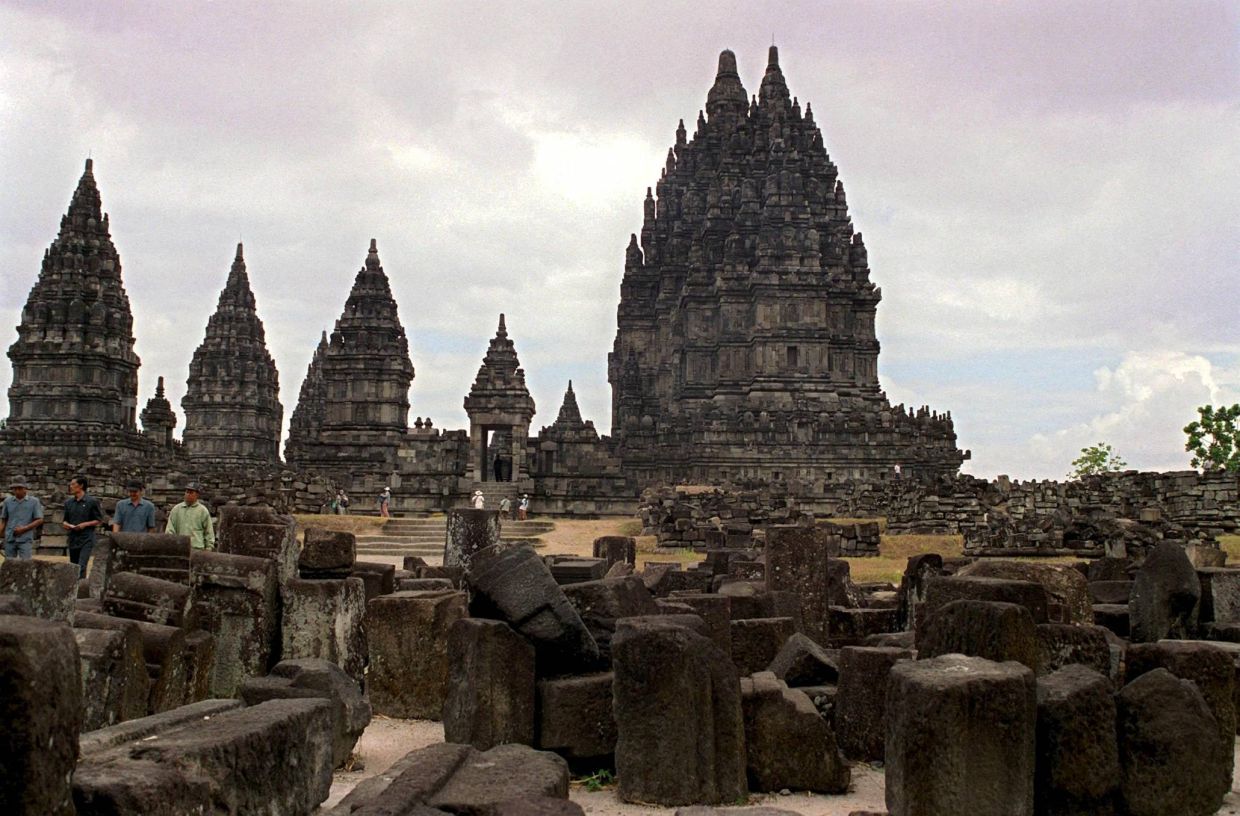
Cultural and heritage dimensions also featured in the bilateral agenda, reflecting the deep historical connections linking India and Indonesia. Modi was scheduled to travel to the ancient city of Yogyakarta to announce the commencement of an Indian-supported restoration project at Prambanan, one of Indonesia's most significant Hindu temples and a crucial element of the archipelago's cultural heritage. This initiative, which emerged from agreements reached during Prabowo's earlier visit to India, exemplifies how bilateral partnerships can extend beyond economic and security concerns to encompass cultural diplomacy and shared civilisational heritage. The project carries symbolic weight, demonstrating India's commitment to preserving Hindu and Buddhist heritage across Southeast Asia while simultaneously strengthening people-to-people connections between the two societies.
Both India and Indonesia occupy significant positions within major international groupings that shape developing world diplomacy. As members of the Group of 20 major developing and emerging economies and the BRICS bloc, both nations participate in forums designed to advance the interests of the Global South and provide counterweight to Western-dominated international institutions. Strengthened bilateral ties between India and Indonesia reinforce the collective voice of developing nations within these multilateral structures and create opportunities for coordinated positions on issues ranging from climate change to international financial reform.
Amb. Chakravorty's emphasis on the necessity of closer Global South cooperation reflected broader strategic thinking in New Delhi about India's regional role and international positioning. As India pursues its vision of being a leading voice for the developing world while simultaneously deepening its strategic engagement with democratic nations across the Indo-Pacific region, stronger partnerships with significant countries like Indonesia serve multiple objectives. Such engagement reinforces India's democratic credentials, strengthens its regional influence, creates opportunities for military and economic cooperation, and builds coalitions that can shape regional geopolitical outcomes.
Modi's three-day visit also included scheduled engagement with Indonesia's parliamentary representatives and the Indian diaspora community in Jakarta, activities designed to build broader constituencies of support for deepened bilateral ties beyond official government channels. His transition from Indonesia to Australia on Wednesday to meet with Prime Minister Anthony Albanese further illustrated how India is systematically cultivating strategic partnerships across the Indo-Pacific region. This broader pattern of engagement, combining simultaneous attention to Southeast Asia and larger developed democracies, reflects India's strategic conception of itself as a central actor in Indo-Pacific geopolitics capable of building diverse partnerships suited to different regional contexts and interests.

