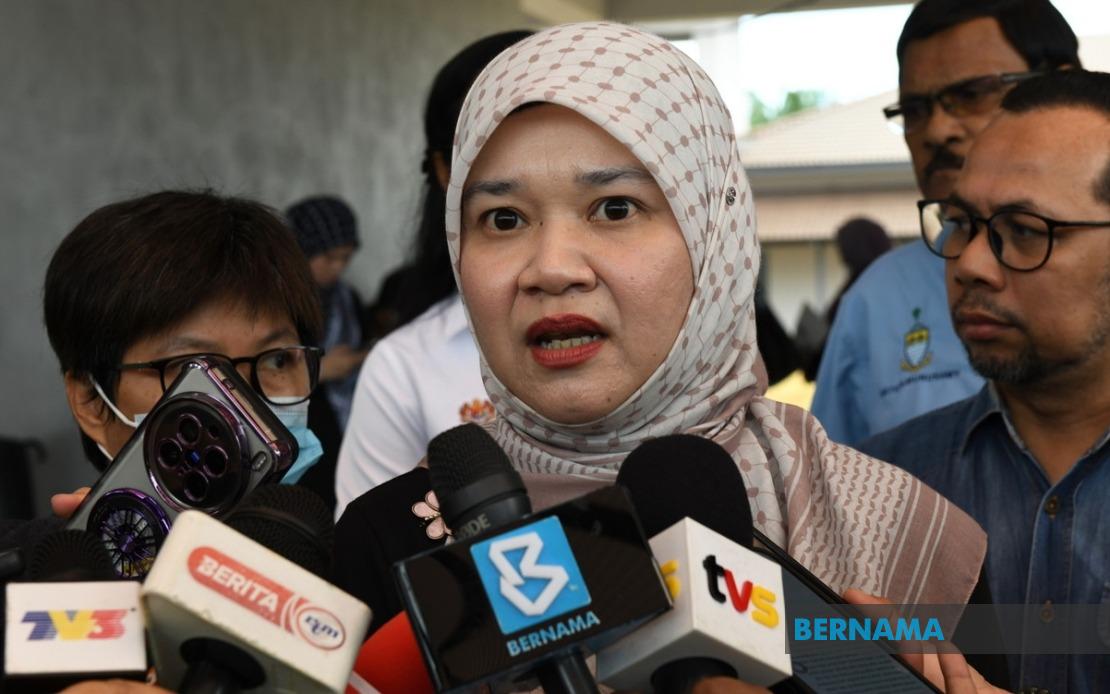
The Ministry of Education has mandated that school authorities and district education officials in Kuala Lumpur expedite their internal inquiry into the death of a student, signalling the government's determination to provide answers to an increasingly concerned public. Education Minister Fadhlina Sidek issued the directive to the Schools Inspectorate, the relevant District Education Office, and the Federal Territory of Kuala Lumpur Education Department, underscoring that such investigations must be pursued with urgency while maintaining adherence to established protocols.
The minister's statement reflects growing awareness within government circles that matters touching on student safety and welfare demand immediate, transparent handling. Fadhlina noted that allegations involving bullying and potential racial dimensions warrant particularly swift investigation, recognizing that such concerns strike at the heart of public confidence in the nation's education system. Her emphasis on addressing these matters "based on facts and due processes" suggests an attempt to balance the public's demand for swift action with institutional safeguards against premature conclusions.
In her Facebook post, Fadhlina extended formal condolences to the student's family and the broader school community, acknowledging the profound impact such a tragedy exerts across multiple constituencies. The minister's personal expression of sympathy serves both as a mark of respect and as an indication that the Education Ministry regards this case as sufficiently significant to warrant ministerial-level attention, a signal not lost on Malaysian society where ministerial engagement often reflects the gravity authorities assign to any given matter.
The Education Ministry has committed to full cooperation with police investigators, positioning itself as a collaborative partner rather than an institution under scrutiny. This coordination between MOE and law enforcement authorities suggests a recognition that student deaths involving potential criminal elements such as bullying or violence require multi-agency investigation. By voluntarily announcing this partnership, the ministry appears to be preempting criticism that it might attempt to shield educational institutions from external accountability.
Beyond the investigative response, the government has mobilized support services across multiple departments. The Ministry of Health and the Social Welfare Department have been engaged, indicating recognition that such incidents have ramifications extending well beyond school boundaries. This interagency approach reflects an evolving understanding within Malaysian governance that complex social problems cannot be addressed through single-sector responses, particularly when young lives are at stake.
Psychological support has been prioritized for immediate intervention. The Education Ministry's counselling team has begun providing psychosocial support to the deceased student's family, while the MOE Smart Support Team has been deployed to deliver crisis intervention services to affected students and members of the broader school community. This emphasis on mental health support acknowledges the traumatic ripple effects such incidents create, particularly among adolescent peer groups who may struggle to process loss alongside concerns about their own safety.
Teachers at the affected school have been briefed on the investigation's progress and the legal procedures underway, balancing their need for information with confidentiality requirements. The ministry has explicitly committed to maintaining attention to educator welfare and well-being, recognizing that staff members often bear psychological burdens when tragedy strikes their institutions. This attention to teacher support reflects understanding that schools function optimally when all stakeholders feel protected and supported rather than blamed or abandoned.
The minister framed the government's response around ensuring an educational environment free from bullying and discrimination, articulating a commitment that extends beyond this single case. Fadhlina's statement implicitly acknowledges that student safety concerns represent an ongoing challenge across Malaysian schools, not merely an isolated incident. This broader framing suggests potential policy implications, as addressing systemic bullying and discrimination typically requires institutional reforms rather than reactive investigations alone.
The urgency with which authorities have responded reflects heightened sensitivity regarding student welfare in Malaysian educational institutions. In recent years, incidents involving school-based bullying and its tragic consequences have generated significant public discourse about school culture, peer relationships, and institutional accountability. The Education Ministry's prompt directive to accelerate investigations demonstrates awareness that public trust in education governance depends substantially on swift, transparent responses to serious incidents.
For Malaysian parents and broader civil society, the government's multi-pronged approach—combining investigation, support services, and interagency coordination—signals institutional commitment to taking student safety seriously. However, the ultimate test will lie in whether the accelerated investigation produces credible findings shared with appropriate transparency, and whether institutional reforms emerge to prevent similar tragedies. The coming weeks will reveal whether this incident catalyzes meaningful changes in how Malaysian schools address bullying, racial tensions, and student welfare more comprehensively.

