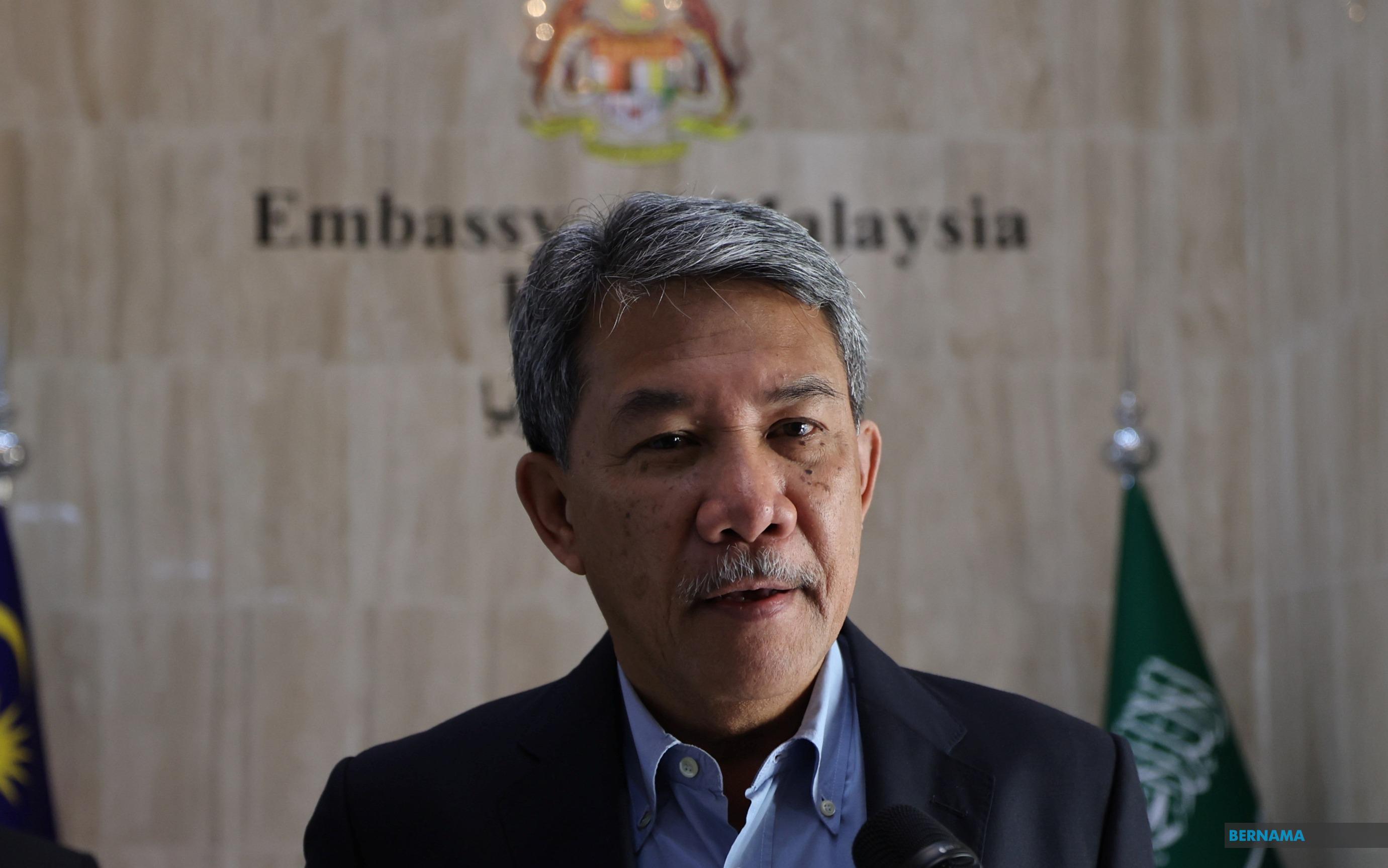
Foreign Minister Datuk Seri Mohamad Hasan is embarking on a three-day working visit to Brunei, beginning today and concluding on August 22, aimed at strengthening bilateral relations through high-level diplomatic engagement. The visit, which began in Bandar Seri Begawan, forms part of Malaysia's broader commitment to deepening cooperation with its closest neighbour in the region, a relationship that has evolved significantly over recent decades as both nations have worked to address long-standing territorial questions and explore fresh avenues for mutual prosperity.
The visit is structured around two major diplomatic events that underscore the depth of Malaysia-Brunei relations. On August 21, Mohamad Hasan will co-chair the 27th Malaysia-Brunei Exchange of Letters Implementation Meeting alongside Brunei's Second Minister of Foreign Affairs, Datuk Seri Setia Erywan Mohd Yusof. The following day, the 27th Malaysia-Brunei Annual Leaders' Consultation takes place, representing the culmination of bilateral discussions at the ministerial level before matters proceed to the highest echelons of government decision-making. These twin forums have become the institutional backbone of Malaysia-Brunei diplomacy, serving as structured platforms where both nations methodically address grievances, track progress on existing commitments, and chart new collaborative pathways.
The Exchange of Letters mechanism holds particular significance for bilateral relations given the historic complexities that have characterised Malaysia-Brunei ties. The annual implementation meeting serves as a dedicated venue for evaluating progress on agreements reached during the preceding year's leaders' consultation. According to official statements, both ministers will focus extensively on a range of substantive issues affecting the two nations, most notably the unresolved questions of land and maritime boundaries. These border delineations have long constituted sensitive matters in the Malaysia-Brunei relationship, requiring sustained diplomatic attention and careful management to prevent disputes from escalating into broader regional tensions.
Beyond boundary matters, the bilateral agenda encompasses economic cooperation, an increasingly important dimension of the Malaysia-Brunei partnership as both nations seek to diversify their economies and strengthen regional supply chains. Recent trade data reveals the substantial economic interdependence between the two countries. Throughout 2025, bilateral trade reached RM5.86 billion, equivalent to approximately USD 1.37 billion, demonstrating the significant commercial ties that underpin their relationship. During the first half of 2026, the figure stood at RM2.38 billion, or roughly USD 0.6 billion, suggesting that trade flows remain robust despite global economic uncertainties and the structural shifts reshaping Southeast Asian commerce.
The timing of this visit reflects Malaysia's strategic priority in maintaining robust relations with Brunei, particularly given the latter's role as a key stakeholder in regional stability and its membership in various multilateral forums. Brunei, though geographically small and with a modest population, exercises influence disproportionate to its size due to its energy resources, its chairmanship rotation in regional bodies, and its position as a bridge between larger Southeast Asian nations. For Malaysia, a country with significant economic and political interests throughout the region, maintaining a harmonious relationship with Brunei remains essential to broader efforts to promote regional cohesion and prosperity.
The Annual Leaders' Consultation framework allows both nations' top political leaders to set the strategic direction for bilateral relations, while the Exchange of Letters mechanism at the ministerial level ensures consistent implementation of agreed policies and addresses emergent challenges before they require escalation to the leadership level. This tiered approach to diplomacy has proven effective in managing the inherent complexities of Malaysia-Brunei relations, where historical grievances and contemporary interests must be carefully balanced to prevent disputes from derailing cooperation in other domains. The involvement of Datuk Seri Setia Erywan Mohd Yusof, Brunei's Second Minister of Foreign Affairs, underscores the importance Bandar Seri Begawan attaches to these discussions, with senior government representatives committed to substantive engagement rather than merely ceremonial appearances.
The focus on boundary matters during these discussions carries implications that extend well beyond the bilateral sphere. Southeast Asia has witnessed increased maritime tensions in recent years, with competing territorial claims and maritime boundaries becoming sources of regional friction. Malaysia and Brunei's commitment to resolving their border questions through diplomatic channels rather than confrontation serves as a positive example within a region where some disputes have grown contentious. For Malaysian and Southeast Asian observers, the success or relative progress of Malaysia-Brunei boundary negotiations offers insights into whether diplomatic mechanisms can effectively manage territorial disputes in an era of rising nationalism and resource competition.
Economic dimensions of the visit warrant closer attention given the evolving trade relationship between the two nations. Beyond headline trade figures, the substance of Malaysia-Brunei commerce reveals complementarities that could be better exploited. Malaysia's manufacturing sector, agricultural production, and services industries align with Brunei's resource wealth and regional trading hub aspirations. Enhanced economic cooperation could involve deeper integration in supply chains, expanded investment flows, and coordinated approaches to regional trade negotiations. As both nations navigate post-pandemic economic realities and adapt to broader regional trade dynamics, including evolving relationships with major trading partners, opportunities exist to leverage their existing commercial relationship as a foundation for more ambitious cooperative ventures.
The diplomatic visit also underscores Malaysia's consistent foreign policy approach emphasising close relations with immediate neighbours. In an international environment characterised by great power competition and shifting geopolitical alignments, Malaysia's commitment to strong bilateral relationships with nearby nations serves multiple strategic objectives: it anchors the country within the region, demonstrates diplomatic activism on the world stage, and creates frameworks for addressing issues that directly affect Malaysian interests. For Foreign Minister Mohamad Hasan, the Brunei visit represents an opportunity to demonstrate substantive diplomatic engagement, moving beyond symbolic gestures to address concrete issues affecting both populations.
The outcomes of these meetings will be closely monitored by regional observers and analysts who track Malaysia-Brunei relations as indicators of broader Southeast Asian stability. Any progress on boundary demarcation, particularly regarding maritime boundaries where competing claims remain unresolved in parts of the South China Sea, would have positive ripple effects throughout the region. Similarly, announcements regarding enhanced economic cooperation would signal both nations' commitment to prosperity through integration rather than isolation. The three-day visit, though brief in duration, carries significance that extends well beyond its temporal scope, representing the ongoing diplomatic labour required to maintain and strengthen relationships among neighbouring nations in an increasingly complex global environment.

