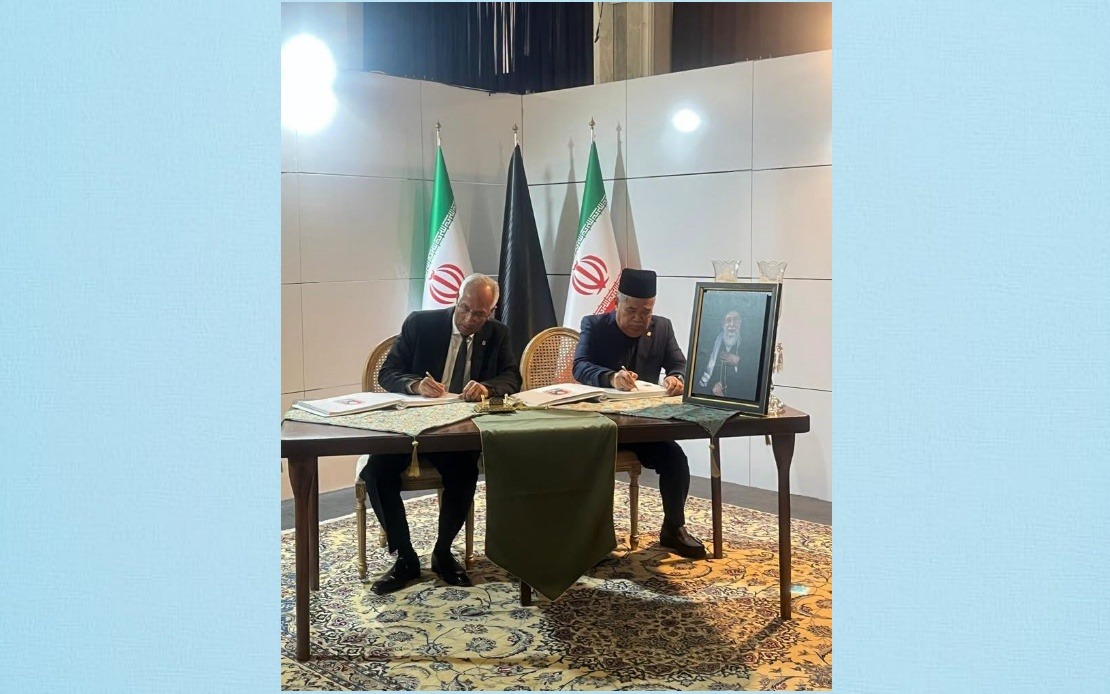
Malaysia's Minister of Agriculture and Food Security Datuk Seri Mohamad Sabu led the nation's government delegation in observing final respects for Iran's late Supreme Leader Ali Khamenei at the Grand Mosalla in Tehran on July 4, underscoring Malaysia's diplomatic engagement with the Islamic Republic at a significant moment in Iranian political history.
The ceremonial proceedings represent a multi-day affair spanning several of Islam's most sacred cities. Beginning in Tehran, the mourning rites will progress through Qom before moving to the holy cities of Najaf and Karbala in Iraq, culminating in the interment at the Imam Reza Shrine in Mashhad on July 9. This geographical sequence reflects the profound religious significance attached to Khamenei's passing within Shia Islamic tradition, with each location holding particular spiritual importance for pilgrims and believers across the Muslim world.
The timing of the funeral ceremonies carries notable diplomatic weight. Coming more than 100 days after Khamenei's death on February 28 in an attack involving United States and Israeli involvement, the extended interval between death and burial speaks to the scale of the state mourning process and the geopolitical sensitivities surrounding the event. The extended period has allowed for comprehensive preparations and broader international participation in honouring the leader who shaped Iran's direction for decades.
Upon arriving in the Iranian capital, Mohamad was received by Mohammad Bagher Ghalibaf, Speaker of the Iranian Parliament, and Abbas Araghchi, Iran's Foreign Minister. These high-level receptions underline the diplomatic importance Iran accords to Malaysia's participation and reflect the bilateral relationship between the two nations. Malaysia's visible presence through ministerial-level representation signals the country's commitment to maintaining constructive relations with Tehran, a matter of strategic significance for a Muslim-majority Southeast Asian nation navigating complex international dynamics.
The delegation's attendance carries implications for Malaysia's broader foreign policy positioning. As a nation with substantial Islamic credentials and growing economic ties across the Middle East, Malaysia's diplomatic gestures toward Iran require careful calibration. The government's decision to dispatch a cabinet minister rather than a lower-ranking official demonstrates the priority given to this relationship, despite the controversial circumstances surrounding Khamenei's death and the international dimensions of the incident.
For Malaysian readers and the broader Southeast Asian context, this diplomatic move illustrates how regional powers engage with Middle Eastern developments. Malaysia's approach contrasts with some neighbouring nations and reflects its independent foreign policy stance, balancing multiple international relationships while honouring its Islamic heritage and commitment to interfaith dialogue. The participation in these ceremonies also positions Malaysia within the broader solidarity framework among Muslim-majority nations responding to significant events affecting the Islamic world.
The religious dimension of Mohamad's presence cannot be overlooked. His public prayers for Khamenei, seeking divine mercy for the deceased and forgiveness of his sins, reflect the spiritual aspect of these state ceremonies that blend political protocol with Islamic observance. Such gestures carry meaning within religious communities and demonstrate how Malaysian leadership navigates the intersection of statecraft and faith-based values.
The extended mourning schedule across multiple nations highlights how major events in the Middle East reverberate through Islamic networks spanning continents. Khamenei's death, occurring under contested international circumstances, becomes a moment for expressing solidarity and reaffirming relationships. For Malaysia, participating in these ceremonies reinforces its identity as a significant player within the Muslim world's diplomatic sphere, even as the country maintains relations with nations that were involved in the February incident.
The involvement of Iraqi holy cities in the burial ceremony — Najaf and Karbala — adds another layer of complexity and significance. These locations are central to Shia tradition and their inclusion in the mourning procession reflects the transnational nature of Shia Islamic practice and leadership. Malaysia's participation, through its delegation's presence at the initial ceremonies in Tehran, connects a Southeast Asian Muslim nation to these deeply rooted religious and historical networks.
The timing and composition of Malaysia's diplomatic response also merit consideration within Southeast Asia's evolving geopolitical landscape. As regional powers navigate their relationships with Middle Eastern actors amid broader great power competition, Malaysia's gestures toward Iran demonstrate how smaller nations can maintain meaningful engagement with multiple international partners while preserving their diplomatic autonomy and foreign policy flexibility.
Looking forward, the presence of Malaysia's agricultural minister at these ceremonies may facilitate future engagement on bilateral matters. Such high-profile diplomatic occasions often provide opportunities for bilateral discussions beyond the immediate ceremonial context, potentially strengthening ties in areas including trade, cultural exchange, and regional cooperation frameworks that benefit both nations and their respective communities.

