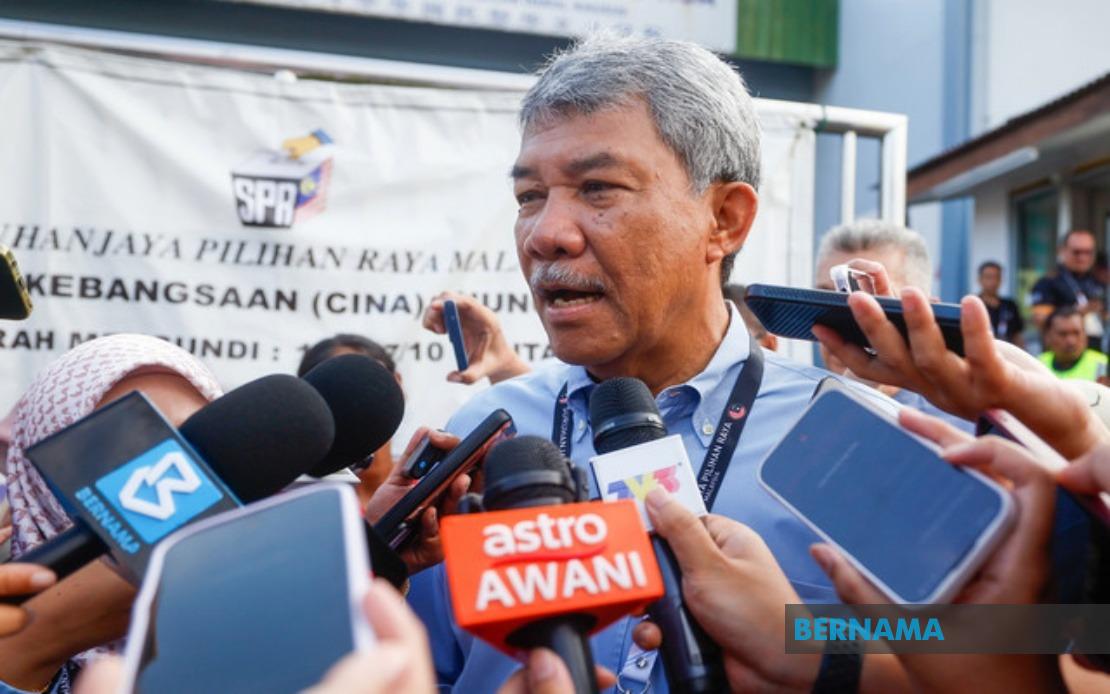
Malaysia's diplomatic calendar intensifies next week with high-level visits from Cambodia and Laos, as Foreign Minister Datuk Seri Mohamad Hasan prepares to conduct bilateral Joint Commission Meetings with both Southeast Asian neighbours. The Cambodian delegation, headed by the country's Deputy Prime Minister and Foreign Minister, will arrive on Tuesday for official discussions that underscore the strengthening institutional ties between Kuala Lumpur and Phnom Penh. The Laotian counterparts are scheduled to follow shortly after, with Malaysia serving as the host nation for both bilateral forums during the same week.
These Joint Commission Meetings represent a crucial mechanism for managing bilateral relations between Malaysia and its regional partners, providing formal platforms to address trade, security, cultural exchange, and diplomatic coordination. For Cambodia, such meetings offer opportunities to discuss investment flows, labour migration patterns, and border management issues that directly affect both nations. The involvement of senior-level delegations including foreign ministers underscores the significance both governments place on maintaining robust diplomatic channels and resolving outstanding matters at the highest echelons of government.
The convergence of visits from two major neighbours within a single week reflects the interconnected nature of Southeast Asian diplomacy and the complexity of managing multiple bilateral relationships simultaneously. Malaysia's geographic position and economic influence in the region necessitate constant engagement with ASEAN partners, particularly on matters concerning regional stability and economic integration. The timing of these delegations, while potentially demanding for the Foreign Minister's office, demonstrates Malaysia's commitment to deepening partnerships with its immediate neighbours rather than relegating such relationships to occasional or reactive engagement.
Mohamad revealed that his original itinerary included attendance at an emergency meeting of Arab and Islamic countries convening in Amman, Jordan on August 5 to address the ongoing Palestinian crisis. However, the clash between international commitments and domestic diplomatic obligations forced a difficult scheduling choice, ultimately prioritising the bilateral meetings with Cambodia and Laos. This decision illustrates the practical constraints facing Malaysian policymakers, who must balance the country's role as a voice for developing nations and the Islamic world with its primary responsibilities to maintain strong regional relationships.
To ensure Malaysia's interests remain adequately represented at the Amman gathering, the Foreign Ministry has designated the country's Permanent Representative to the United Nations, who currently serves as Deputy Secretary-General of the Foreign Ministry, to attend the emergency session in place of the Foreign Minister. This selection reflects confidence in the diplomat's expertise and experience with Palestinian affairs, a issue that has traditionally commanded significant attention in Malaysian foreign policy circles. The delegation of this responsibility demonstrates how contemporary multilateral diplomacy requires coordinated representation across multiple forums simultaneously.
Beyond the immediate scheduling concerns, Mohamad's remarks highlight the mounting operational pressures confronting Malaysia's Foreign Ministry as global geopolitical uncertainty creates unpredictable demands on diplomatic resources. The current international environment, characterised by great power competition, regional tensions, and transnational challenges, generates both planned bilateral engagements and emergency consultations that strain even well-resourced foreign ministries. For Wisma Putra, balancing routine institutional meetings with unexpected diplomatic crises requires flexible staffing, rapid decision-making protocols, and diplomatic personnel with broad expertise across multiple regions and issue areas.
The frequency of incoming high-level visits to Malaysia reflects the country's standing within Southeast Asia and its role as a natural hub for regional consultations. Beyond the scheduled visits from Cambodia and Laos, the Foreign Minister's portfolio includes regular diplomatic engagements with other ASEAN members, major powers, and international organisations. This traffic of delegations, while strengthening Malaysia's diplomatic networks, creates logistical and scheduling complexities that can only be managed through careful prioritisation and strategic delegation of responsibilities.
For Malaysian business communities and stakeholders interested in Cambodia and Laos, these Joint Commission Meetings offer important signals about the direction of bilateral trade and investment relationships. Such forums typically produce outcomes documents, cooperative agreements, and policy commitments that shape economic interaction in subsequent years. Malaysian companies operating in these countries or considering market entry should monitor the results of these meetings for indications of regulatory changes, infrastructure development priorities, or sectoral opportunities that governments may emphasise.
The broader context of Malaysia's engagement with Cambodia and Laos reveals the country's stake in mainland Southeast Asian stability and development. Both nations occupy strategic positions along Thailand's borders and maintain complex relationships with Vietnam and China. Malaysia's bilateral mechanisms with these countries provide channels for discussing transnational issues including labour migration, trafficking prevention, environmental management, and security cooperation that transcend narrow bilateral interests and carry regional implications.
Moving forward, the intensity of Malaysia's diplomatic schedule underscores why the Foreign Ministry consistently advocates for adequate budgetary allocation and staffing resources. The modern foreign service demands not merely traditional diplomatic skills but also expertise in economic negotiation, security challenges, cultural mediation, and emerging issues like cybersecurity and climate change. As Malaysia navigates an increasingly complex regional and global environment, the capacity of Wisma Putra to manage multiple high-stakes engagements simultaneously will substantially influence the country's ability to protect national interests and advance strategic objectives.
The visits from Cambodia and Laos, while routine elements of Southeast Asian multilateralism, therefore deserve attention as indicators of Malaysia's diplomatic priorities and capacity. Successful outcomes from these Joint Commission Meetings would reinforce Malaysia's position as a reliable, proactive partner within ASEAN and contribute to the stability and prosperity of the broader region that ultimately serves Malaysian interests.

