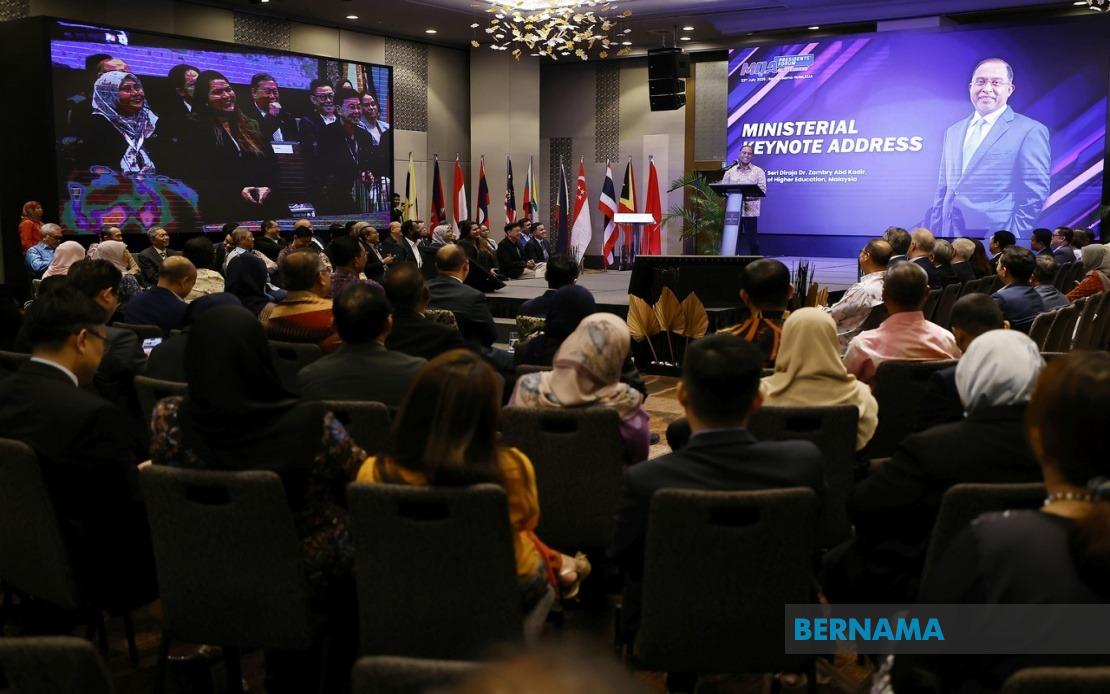
The Ministry of Higher Education has committed to resolving accommodation constraints across several polytechnic institutions by prioritising hostel repairs and maintenance work, according to Higher Education Minister Datuk Seri Dr Zambry Abd Kadir. Speaking at the 2026 Malaysian Qualifications Agency Presidents' Forum in Sepang on July 23, Zambry outlined a comprehensive approach to tackle what has emerged as an unintended consequence of the government's successful push to expand vocational and technical education pathways for school leavers.
The accommodation crisis stems directly from an unprecedented surge in applications to polytechnics and skills training institutions nationwide. The government's deliberate strategy to steer more Sijil Pelajaran Malaysia (SPM) holders towards technical and vocational education and training (TVET) programmes has yielded extraordinary results, with polytechnic applications this year surpassing expectations by more than 125 per cent. This represents a fundamental shift in how Malaysian secondary school graduates view their post-secondary options, reflecting growing recognition of the value and employment prospects associated with vocational qualifications.
During the first intake session for the 2026/2027 academic year on June 22, polytechnics welcomed 30,488 new students across the nation. While the figure demonstrates the success of TVET promotion efforts, it has simultaneously strained physical infrastructure at institutions that were originally designed to accommodate substantially smaller cohorts. Many of these facilities, particularly older hostel complexes at several polytechnics, now require urgent attention and comprehensive maintenance to meet current occupancy levels and ensure adequate living standards for students.
Zambry characterised the situation as a positive challenge rather than a policy failure, emphasising that the accommodation issue reflects the government's achievement in reshaping educational preferences among school leavers. The minister noted that this outcome validates the strategic emphasis placed on technical education as a viable and desirable alternative to traditional university pathways. However, he acknowledged that translating increased demand into functional capacity requires immediate infrastructure investment and logistical coordination across the polytechnic system.
The ministry has already begun identifying specific hostels across the polytechnic network that require urgent repair and refurbishment work. Priority has been assigned to buildings identified as being in poor structural condition or requiring extensive maintenance to meet current safety and hygiene standards. Zambry indicated that the Higher Education Ministry had formally requested government approval and budget allocation for these remedial works, signalling that addressing the crisis is now part of the ministry's core operational agenda rather than a peripheral concern.
In response to the placement pressures created by the record intake numbers, Zambry instructed Polytechnic and Community College Education Department director-general Dr Shamsuri Abdullah to implement immediate measures addressing student accommodation and related logistical challenges. This directive reflects the ministry's recognition that the situation requires not only capital investment in infrastructure but also flexible operational responses to manage the transition period while repairs and upgrades are completed.
The accommodation shortage highlights a broader policy tension facing Malaysia's higher education system. While encouraging greater TVET uptake represents sound strategy given the nation's economic structure and labour market demands, the rapid shift in student behaviour has outpaced infrastructure planning. This misalignment demonstrates the complexity of executing large-scale education policy reforms, particularly when success criteria conflict with existing institutional capacity. Other Southeast Asian nations pursuing similar TVET expansion have encountered comparable bottlenecks, suggesting that Malaysian policymakers may benefit from regional experience-sharing on managing rapid transitions in educational infrastructure.
For polytechnic students, the situation presents mixed implications. On one hand, the surge in enrolments validates the quality and relevance of vocational programmes, creating more competitive entry processes and enhancing the value of qualifications earned. Conversely, substandard hostel conditions can significantly impact student wellbeing, academic performance, and the overall educational experience, potentially undermining the credibility gains achieved through increased uptake. Addressing these accommodation issues promptly is therefore not merely a comfort matter but an investment in programme quality and student outcomes.
The ministry's commitment to repair works carries financial implications that extend beyond immediate hostel maintenance budgets. Comprehensive upgrades typically involve modernising facilities, improving water and electrical systems, and potentially expanding capacity through additional dormitory construction. These investments, while necessary to support the government's TVET agenda, must compete for resources with other higher education priorities, including academic facilities, technology infrastructure, and faculty development across the polytechnic system.
For prospective students and families considering polytechnic pathways, the ministry's acknowledgement and commitment to resolving accommodation issues should provide reassurance that infrastructure challenges are being treated seriously at the policy level. However, the timeline for repairs remains undefined, and students enrolling in coming intakes may encounter transitional difficulties. The situation underscores the importance of transparent communication between polytechnic institutions and incoming students regarding accommodation expectations and any temporary arrangements that may be necessary during renovation periods.
The broader context of this accommodation crisis reflects Malaysia's evolving educational landscape and demographic shifts in student aspirations. As technical and vocational qualifications gain prestige and employment prospects improve, maintaining infrastructure quality becomes essential to sustaining this positive trajectory. The ministry's proactive stance on repairs and maintenance suggests recognition that short-term inconvenience, if addressed promptly, need not derail long-term strategy to expand TVET's role in Malaysia's skills development framework.

