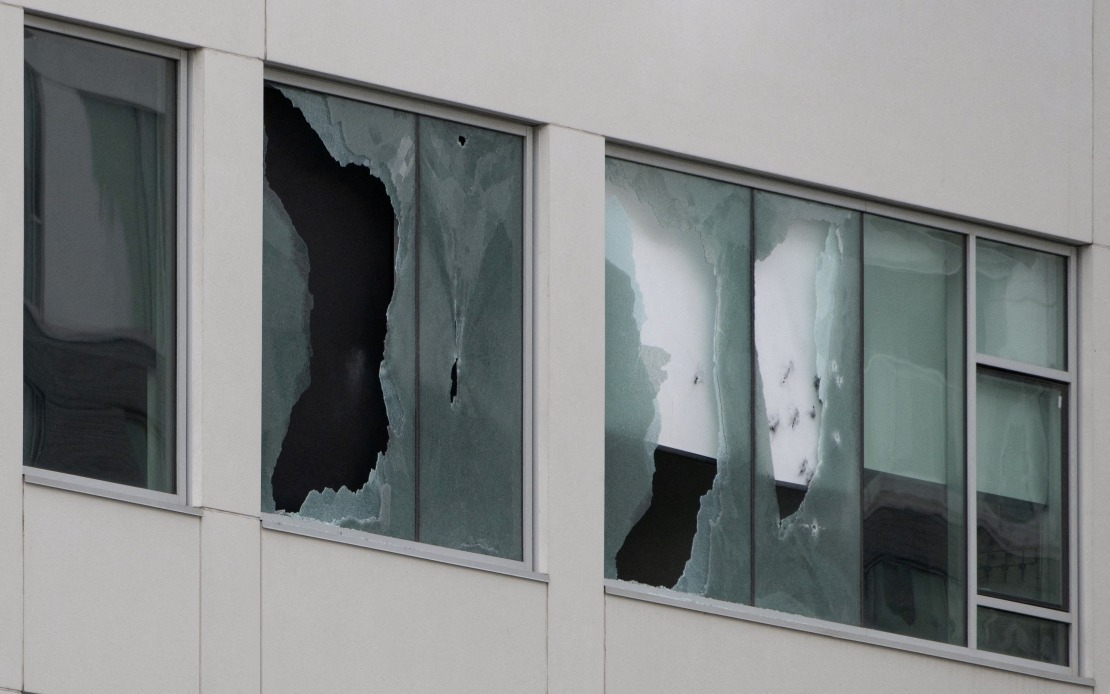
A fatal shooting in Montreal on Monday left a police officer, a civilian resident, and the suspected gunman dead, marking a tragic incident in Canada's second-largest city. Montreal police announced the death of the officer through a statement on social media platform X, expressing deep sorrow over the loss of one of their personnel while performing official duties. The incident unfolded in the Côte-des-Neiges neighbourhood, where emergency services responded to reports of an armed individual who posed an immediate threat to public safety.
The sequence of events that unfolded during the response proved particularly dangerous for law enforcement personnel arriving at the scene. Montreal police chief Fady Dagher disclosed that officers came under direct fire when they approached the location, forcing them to engage with the armed suspect. The shooter was subsequently neutralised through police action, though the exact tactical details remain part of an ongoing investigation. Beyond the fatality among the police ranks, a civilian bystander also lost their life during the incident, while two additional individuals sustained injuries—including another officer whose condition stabilised and no longer presented life-threatening concerns following medical treatment.
Authorities moved quickly to contain the situation and secure the affected area. Police had earlier issued urgent warnings to residents in the Côte-des-Neiges district, describing an "armed and dangerous suspect" who posed an active threat. Public broadcaster CBC reported that residents received instructions to remain indoors and secure their homes, with local authorities establishing exclusion zones to prevent further casualties. Emergency alerts subsequently notified the public as the situation developed, though these were eventually lifted once investigators confirmed the threat had ended.
Investigators have determined that terrorism played no role in the attack, a significant finding that narrows the scope of the incident within security and law enforcement frameworks. Police officials have also stated definitively that the suspect was acting alone, with no indication of accomplices or additional armed individuals involved in the violence. This assessment allows authorities to focus their investigative efforts on understanding the individual motivations behind the shooting rather than pursuing broader network-based inquiries that would typically follow suspected terrorist activity.
Media reports have raised questions about the suspect's ideological motivations, suggesting evidence of a manifesto containing language associated with the incel movement—a decentralised online community primarily known for extreme anti-feminist rhetoric and celebration of traditional gender hierarchies. The incel subculture, whose name derives from "involuntary celibate," has attracted individuals expressing deep resentment toward women and modern social dynamics. However, it bears emphasis that security authorities have neither confirmed nor publicly validated these claims, leaving the precise motivational factors a matter for ongoing forensic and investigative analysis.
The incident highlights ongoing security concerns across North American cities regarding lone-actor violence and the accessibility of weapons to individuals exhibiting dangerous ideological commitments. Montreal, like other major Canadian urban centres, has grappled periodically with mass casualty incidents, though such events remain statistically less frequent than in neighbouring jurisdictions. The fatality of a uniformed police officer performing duty raises particular concerns about officer safety and the evolving threat landscape that law enforcement agencies must navigate during emergency response operations.
For Southeast Asian observers, the incident underscores broader themes of public safety and extremist ideology that transcend geographic boundaries. While Canada maintains relatively strict firearm regulations compared to the United States, the persistence of gun violence in the country reflects global challenges in preventing access to weapons among high-risk individuals. Malaysian authorities and civil society organisations have similarly grappled with questions of online radicalisation and extremist recruitment, though typically within different ideological frameworks and operational contexts.
The Montreal police's swift public acknowledgment of the officer's death and commitment to transparency represents standard Canadian law enforcement practice in such tragic circumstances. The decision to rule out terrorism and the assertion that no additional suspects remain at large offer considerable reassurance to residents and business owners in the affected neighbourhood, enabling a faster return to normal operations and community functioning. Recovery efforts for the neighbourhood and the broader police service will likely extend considerably beyond the immediate aftermath of violence.
Police chief Fady Dagher's statement to journalists indicating that investigations remain active despite the immediate emergency concluding suggests a thoroughness that encompasses both the physical evidence at the scene and the investigative reconstruction of events leading to Monday's tragedy. The recovery and analysis of any manifesto materials, digital communications, and biographical information regarding the shooter will inform understanding of the incident's preventability and broader lessons for law enforcement and threat assessment protocols. Regional law enforcement agencies throughout North America will likely review investigative findings as they emerge, particularly concerning the warning signs preceding such incidents.