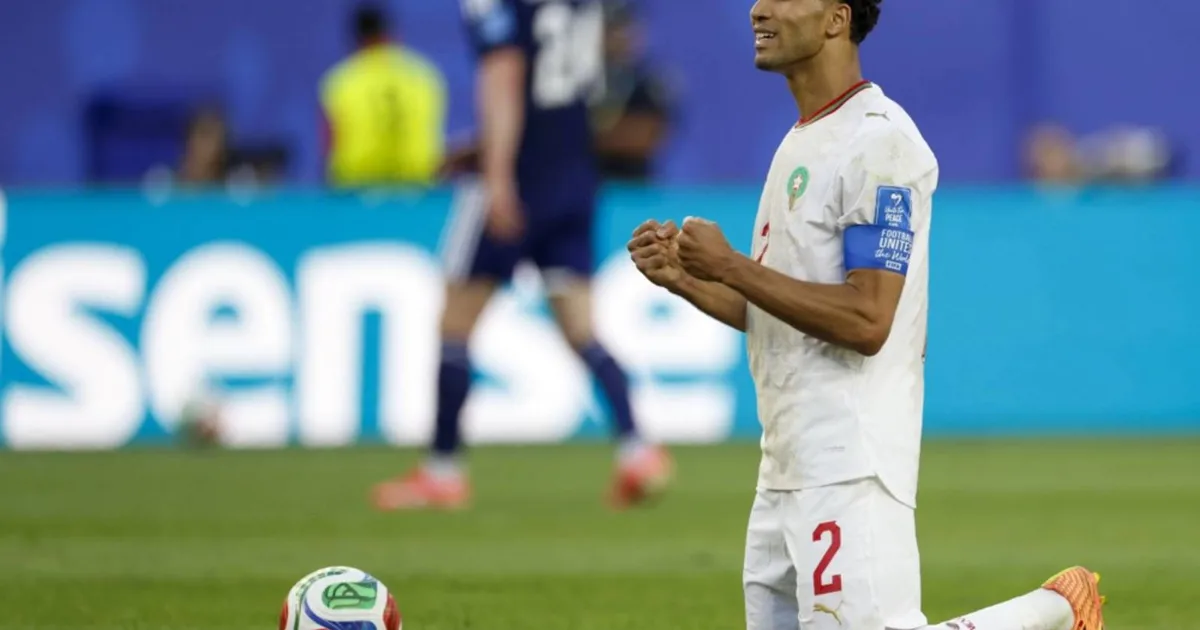
Morocco's World Cup coach has publicly backed PSG defender Achraf Hakimi, characterising him as emotionally steady despite facing serious legal troubles in France. The statement arrives as Hakimi navigates allegations of rape involving a 24-year-old woman in the Paris region dating to 2023—charges he flatly rejects.
The backing from the national team's coaching staff carries particular weight given Morocco's aspirations in international football. The North African nation's performance at recent World Cups has elevated its status within global football, and key players like Hakimi remain central to future competitive campaigns. The coach's public endorsement suggests the national federation intends to maintain support for the player throughout the legal process, signalling confidence in his character despite the severity of the accusations.
Hakimi's situation reflects the growing intersection between athlete celebrity, judicial scrutiny, and international football. The Paris Saint-Germain player represents one of Africa's most talented defenders, having built a reputation for pace, technical ability, and consistency across European's top leagues. His career trajectory—from Real Madrid's academy through Borussia Dortmund and Inter Milan before joining PSG—exemplifies the pathway for elite African footballers seeking prominence in elite European competition.
The allegations emerged during a period when Hakimi was consolidating his status as one of football's premier right-backs. The incident dating to 2023 places the alleged conduct within a timeframe when Hakimi was establishing himself as an integral figure within PSG's defensive architecture. Legal complications of this magnitude typically create uncertainty around a player's availability, contractual standing, and psychological resilience during matches.
Morocco's positioning within Hakimi's defence speaks to broader considerations facing national football associations when star players face criminal allegations. The federation must balance support for its athletes against reputational risks and the principle of presumption of innocence. By having the coach publicly affirm Hakimi's composure, Morocco signals it has not abandoned the player before judicial outcomes emerge—a stance that acknowledges the gravity of allegations while avoiding premature judgment.
For Southeast Asian football audiences, the case underscores how interconnected global football has become through player movement and international competition. The majority of elite African players ply their trade in European leagues, making their legal troubles and personal circumstances subjects of continental and international attention. This interconnectedness means events affecting African players ripple across international football's ecosystem, influencing squad management, team morale, and national team planning.
The timing of public statements regarding Hakimi's mental state carries strategic significance. Coaches and federations typically avoid detailed commentary on ongoing legal proceedings to prevent complications with judicial processes. The decision to characterise Hakimi as "calm" suggests an attempt to normalise his situation and prevent speculation that legal pressure might destabilise his professional performance or mental wellbeing. This framing also serves supporters of both Morocco and PSG by suggesting the player maintains psychological equilibrium despite substantial stress.
Hakimi's case intersects with broader conversations within professional football regarding accountability, due process, and athlete conduct. European clubs and national associations have increasingly confronted situations where players face criminal allegations, requiring policies balancing legal principles, institutional protection, and broader societal expectations. The absence of conviction does not automatically resolve institutional responses to such allegations, particularly when they attract significant public attention and generate reputational considerations.
The PSG player's circumstances also illuminate disparities in how allegations against athletes from different backgrounds receive coverage and institutional response. African players facing legal troubles in Europe often contend with additional scrutiny from media outlets and commentators, sometimes reflecting underlying biases about nationality, race, and culpability. Morocco's coaching staff may have recognised this dimension in deciding to provide public statements emphasising Hakimi's character and composure.
Looking forward, resolution of the allegation will likely influence Hakimi's career trajectory, contractual negotiations, and continued participation in international football. Whether he ultimately faces conviction, acquittal, or settlement will determine the extent to which this episode defines his professional legacy. Morocco's apparent commitment to maintaining support suggests the national federation expects ongoing involvement from Hakimi in future competitive campaigns, contingent on judicial outcomes.
For Malaysian and Southeast Asian sports observers, the Hakimi situation provides insight into how complications off the pitch increasingly shape club and international football dynamics. As African players continue ascending to prominence within European leagues, their personal circumstances and legal troubles become subjects requiring institutional navigation. Morocco's approach—cautious but ultimately supportive—reflects an attempt to preserve player welfare while acknowledging the seriousness of allegations and respecting judicial processes.
The coach's characterisation of Hakimi as calm likely serves multiple audiences: teammates requiring confidence in leadership's judgment, supporters questioning the federation's loyalty, and judicial observers noting that institutional support does not constitute interference with legal proceedings. This careful positioning attempts to preserve institutional credibility while maintaining the player's presumption of innocence and psychological resilience during an evidently challenging period.