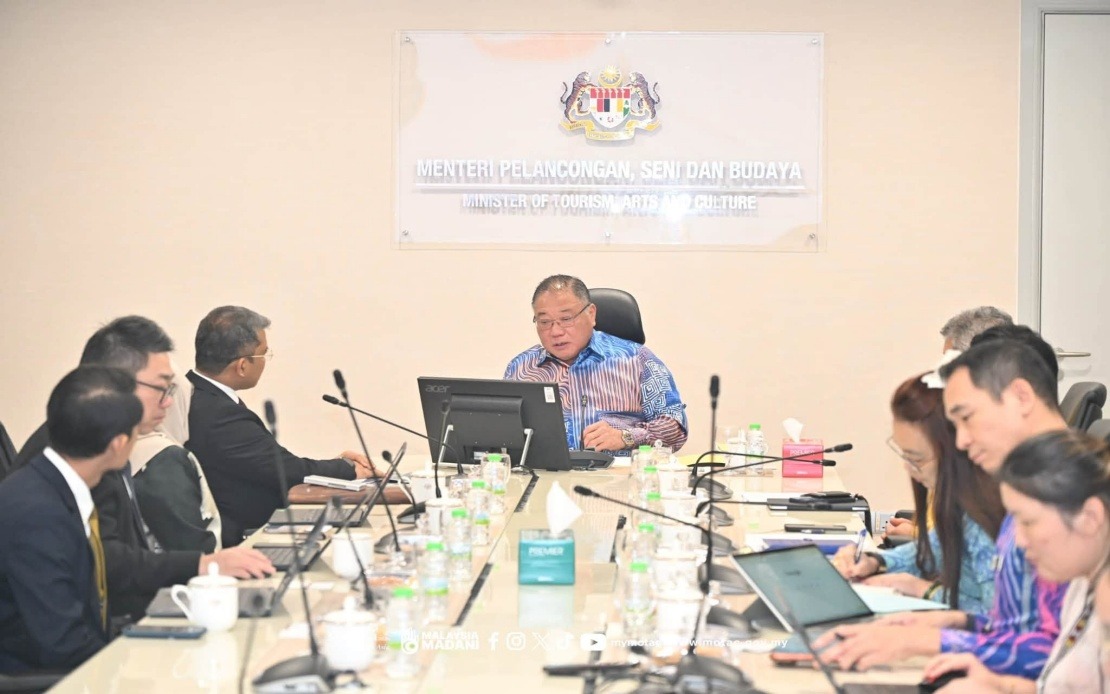
The Ministry of Tourism, Arts and Culture and Malaysia Aviation Group have formally deepened their strategic alliance to position Malaysia as an increasingly attractive destination for international travellers while maximising the impact of the Visit Malaysia Year 2026 initiative. The partnership was reaffirmed during discussions between Tourism, Arts and Culture Minister Datuk Seri Tiong King Sing and MAG Group president and chief executive officer Captain Nasaruddin A Bakar, signalling a coordinated approach to tourism recovery and growth in the post-pandemic travel environment.
This collaboration represents a significant recognition that Malaysia's tourism competitiveness depends on seamless coordination between government policy-makers and commercial aviation operators. By binding the ministry's promotional capacity with MAG's operational capabilities, both organisations are positioning themselves to respond more aggressively to global travel trends and capture market share from competing regional destinations. The extended Visit Malaysia Year 2026 campaign, now running through next year, provides the institutional framework through which these joint initiatives will unfold.
A central pillar of the partnership involves broadening MAG's international flight network and penetrating key source markets for tourism revenue. The collaboration specifically targets India, China, and Europe—regions with substantial populations of middle-class and affluent travellers increasingly inclined toward Southeast Asian holidays. By expanding scheduled services and route frequencies to these markets, MAG can create the transport infrastructure necessary for converting tourism interest into actual visitor arrivals. The addition of emerging destinations such as Fukuoka signals recognition that Malaysia must compete not only as a standalone destination but as a gateway to broader regional travel experiences.
The strategic emphasis on low-season demand stimulation reflects sophisticated understanding of Malaysia's tourism economics. Peak seasons concentrate visitor flows and revenue, while low seasons expose structural vulnerabilities in the hospitality and transport sectors. Through coordinated marketing campaigns and promotional flight pricing, MOTAC and MAG aim to flatten demand curves and encourage year-round tourism activity. This approach protects employment in tourism-adjacent industries and optimises asset utilisation for airlines and accommodation providers alike.
Enhancing the passenger experience forms another critical dimension of the partnership. Improvements to cabin facilities, in-flight catering standards, and crew training programmes directly shape how international visitors perceive Malaysia and whether they recommend the destination to peers and social networks. In an era when customer reviews and digital word-of-mouth substantially influence travel decisions, elevating service quality across the aviation sector becomes a powerful marketing instrument in itself. Better-trained cabin crews familiar with diverse cultural preferences and service expectations can transform routine flights into memorable brand experiences.
The collaboration also prioritises supporting Malaysia's domestic tourism supply chain and local industry stakeholders. By working to increase commercial benefits flowing to hotels, restaurants, tour operators, and cultural attractions, the partnership addresses a fundamental tourism development challenge: ensuring that visitor spending generates broadly distributed economic gains rather than concentrating wealth among international corporations and a narrow elite. Strengthened partnerships between airlines and local businesses create incentive structures encouraging quality improvements and competitive pricing across the tourism ecosystem.
For Malaysia's regional positioning, this MOTAC-MAG alliance arrives at a crucial juncture. Thailand, Vietnam, and Indonesia have aggressively pursued aviation expansion and destination marketing in recent years, and Malaysia risks losing market share to these rivals if coordination between government and industry remains fragmented. The formalisation of this partnership suggests the government recognises that maintaining Malaysia's status as Southeast Asia's premier tourist destination requires sustained, aligned effort across multiple institutional actors.
The economic implications extend beyond tourism itself. Airlines require sustained demand to justify fleet investments and route development. Tourism expansion drives construction, employment in service industries, and consumption of locally produced goods. Enhanced aviation connectivity facilitates business travel, encouraging corporate investment and trade relationships. The Visit Malaysia Year 2026 campaign thus functions as a catalyst for broader economic activity rather than as an isolated sectoral initiative.
The focus on expanding to both established and emerging markets demonstrates strategic flexibility. China and India represent massive population bases with rapidly growing travel spending, yet competition for these travellers is intense. European markets, while smaller in absolute numbers, typically generate higher spending per visitor and maintain more stable demand patterns. By pursuing multiple source markets simultaneously, MAG and MOTAC reduce dependency on any single geography and hedge against economic fluctuations in particular regions.
Implementing this partnership will require sustained coordination and resource commitment from both parties. MOTAC must ensure marketing campaigns effectively reach target audiences in source markets, while MAG must deliver reliable, frequent service that converts potential demand into actual bookings. Misalignment between promotional activity and operational capacity could undermine the initiative, making ongoing communication and performance monitoring essential.
Looking ahead, the success of this alliance will be measurable in visitor arrival statistics, airline load factors, and spending data through 2026. The partnership also establishes a template for government-industry collaboration that could be extended to other sectors—hospitality, transport, technology—where coordinated action might enhance Malaysia's regional competitiveness. By demonstrating that formal partnerships between ministry and commercial operators yield tangible benefits, MOTAC and MAG may encourage similar arrangements elsewhere in the economy.

