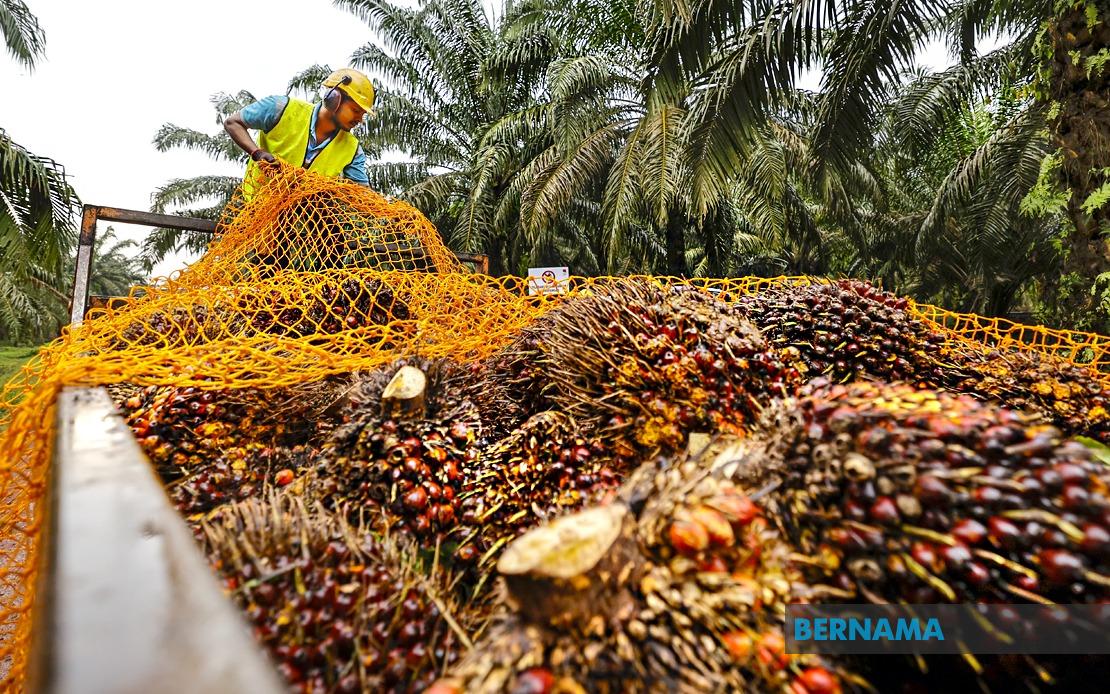
The Malaysian Palm Oil Board (MPOB) is moving forward with plans to construct a strategic research station in Melaka that officials say will serve as a catalyst for transforming the state's palm oil sector. The facility, to be built on a 40.47-hectare plot in Seri Mendapat, Sungai Rambai, will require an investment between RM20 million and RM25 million and forms part of the 13th Malaysia Plan's broader development agenda for the state's commodity industries. Melaka Chief Minister Datuk Seri Ab Rauf Yusoh announced the project during a visit to the community, emphasising its significance as one of three major initiatives designed to revitalise the agricultural foundation of the state's economy.
The proposed research station represents a comprehensive infrastructure development rather than a simple research facility. The 40.47-hectare site will accommodate multiple operational components including a functional model plantation where modern cultivation techniques can be demonstrated, a dedicated research and development centre focused on advancing palm oil production methods, modern laboratory facilities for quality testing and innovation work, and comprehensive training infrastructure to develop human capital in the sector. The campus will also provide residential quarters for TUNAS advisory officers and enforcement teams, recognising the need for on-site personnel to ensure effective supervision and support for neighbouring agricultural communities.
Statewide agricultural officials envision Sungai Rambai evolving into a knowledge hub within Malaysia's palm oil industry ecosystem. Beyond serving as a research location, the station is positioned to facilitate innovation, establish industry standards, and drive economic development across the broader region. The presence of such a facility is expected to generate employment opportunities in research, advisory services, technical support, and administrative roles. More significantly, officials anticipate that skills training programmes conducted at the site will equip local residents with qualifications that enhance their competitiveness in the agricultural sector and related industries, thereby addressing the historical challenge of youth migration from rural areas.
The Sungai Rambai locality holds particular significance given its agricultural character, with nearly 45 per cent of the population engaged in farming and smallholder operations. This demographic composition suggests that any infrastructure investment targeting agricultural modernisation will have broad community impact. The research station's establishment therefore aligns with state government commitments to strengthen support systems for primary producers who form the backbone of rural economies in regions like Melaka. By anchoring advanced research and training capacity in an area already populated by agricultural practitioners, planners aim to create a natural synergy between innovation development and practical implementation at the farm level.
Complementing the research station initiative, the Melaka government has simultaneously advanced an infrastructure project addressing a long-standing constraint for smallholder producers. A five-kilometre private farm road at Ladang Lembah Kesang in Mukim Semujuk has been approved for construction under a RM400,000 allocation. While such rural road developments might appear routine in infrastructure terms, their economic significance for farming communities is substantial. Improved road access directly reduces the time required to transport produce from farm to market, thereby minimising spoilage of perishable goods and extending the viable marketing window for agricultural products. The facility is also expected to lower transportation costs, allowing smallholders to retain larger portions of revenue from their sales and improve operational profitability.
State officials estimate that the farm road at Ladang Lembah Kesang will benefit more than 200 smallholders across the surrounding agricultural area. Beyond the direct advantages for individual producers, improved rural connectivity typically generates broader economic multiplier effects. Enhanced market access encourages expanded cultivation and investment in farm improvements, stimulates movement of goods and services within rural communities, and reduces the cost differential between rural and urban market participation. For smallholders who often operate at narrow profit margins constrained by high logistics costs, such incremental improvements in infrastructure can meaningfully influence viability and investment decisions.
The MPOB has recently introduced financing mechanisms specifically designed to address one of the sector's most pressing challenges: the replacement of ageing plantation stock. The Smallholder Oil Palm Replanting Financing Incentive Scheme 2.0 provides eligible smallholders with financing support of up to RM14,000 per hectare to replace mature, lower-yielding palm trees with superior planting material. This represents a significant investment opportunity for farmers seeking to maintain long-term productivity on established land. The scheme's payment structure demonstrates policy sophistication, with repayment obligations commencing only in the fifth year following plantation establishment. This delayed repayment approach recognises the biological realities of tree cultivation, allowing new plantings time to achieve productive maturity before farmers face debt service obligations, thereby reducing financial strain during the vulnerable early production years.
Beyond the agricultural modernisation agenda, the Melaka government has also prioritised infrastructure addressing flood resilience and water management concerns raised by fishing communities. The state has requested RM200,000 in federal government funding to upgrade an ageing watergate structure at Jeti Sebatu, which serves as a critical water control mechanism for the local fishing area. Concurrent with this funding request, drainage improvement works totalling RM350,000 have already commenced along a 300-metre section of the Sungai Sebatu outlet, specifically designed to improve water flow management and reduce flooding risks. These projects represent direct responses to community feedback regarding environmental challenges that affect livelihoods and safety in Sungai Rambai.
The Melaka government's integrated approach across multiple sector initiatives reflects an understanding that rural economic development requires simultaneous attention to research capacity, infrastructure connectivity, farmer financing, and environmental management. The palm oil research station addresses the supply-side challenge of increasing productivity and innovation capacity. Farm roads and rural infrastructure improve the logistics and connectivity constraints that affect farmer profitability. Financing schemes reduce capital constraints limiting farmer investment in orchard modernisation. Flood management infrastructure protects productive assets and ensures livelihood security. Together, these initiatives constitute a comprehensive development strategy rather than isolated projects, suggesting a coherent state government vision for transforming Melaka's agricultural sectors from traditional commodity production into a modernised, competitive, and sustainable economic engine capable of supporting rural prosperity and retaining agricultural populations.

