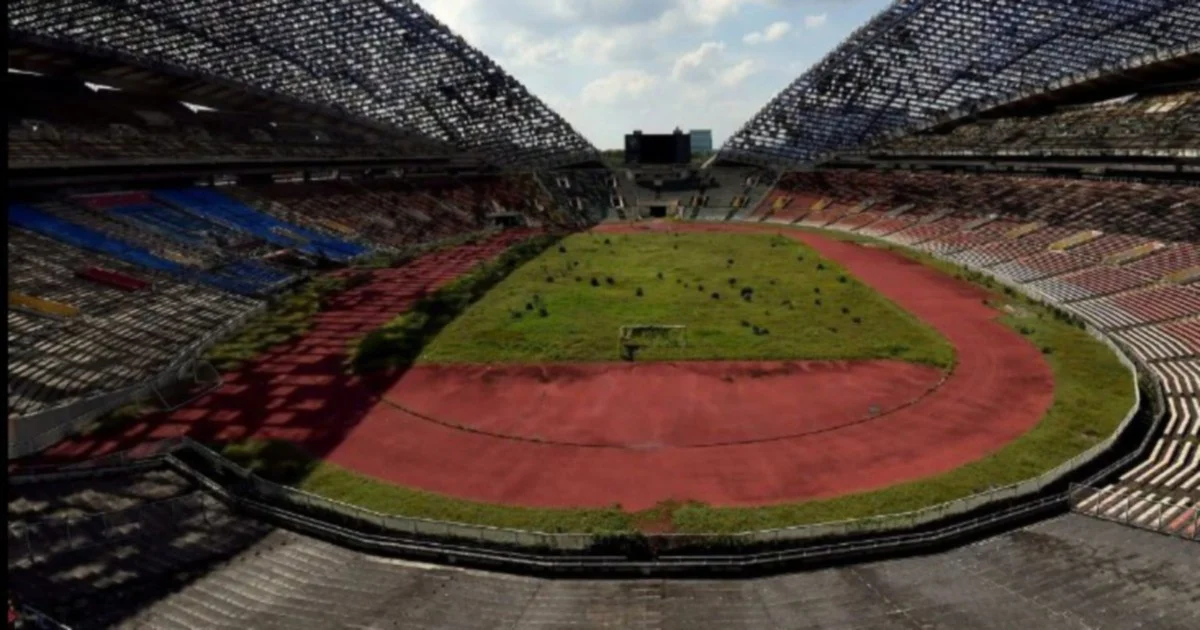
Malaysian Resources Corporation Bhd has successfully obtained a consent judgment from the Shah Alam High Court against activist Abdul Razak Ismail concerning a series of online posts related to the demolition and redevelopment of Shah Alam Stadium. The developer alleged that the activist's digital publications had inflicted economic losses on the company, leading the corporation to pursue legal recourse through the courts.
The case represents a significant moment in the evolving relationship between corporate entities and digital activism in Malaysia, where questions of free speech, corporate reputation, and environmental or development concerns increasingly play out across social media platforms. MRCB's decision to pursue legal action underscores how major corporations now view online commentary as a serious commercial matter worthy of formal court intervention, particularly when such posts generate public concern about major infrastructure projects.
Shah Alam Stadium, a prominent sporting facility in Selangor, has become the centre of considerable public debate regarding urban redevelopment priorities. The structure had long served the surrounding community and state, making its demolition a sensitive issue for residents and civic groups who questioned whether the economic benefits of redevelopment justified the loss of established recreational infrastructure. MRCB's involvement as the developer overseeing the project transformation placed the company at the forefront of this contentious development initiative.
Abdul Razak Ismail emerged as a vocal critic through various online channels, raising concerns and circulating information about the stadium project that apparently reached significant audiences across digital networks. His posts appear to have centred on questioning the necessity and implications of the demolition-redevelopment scheme, arguments that resonated with community members concerned about the project's social and environmental dimensions. The nature and scope of his online activity evidently alarmed MRCB management sufficiently to warrant expensive legal proceedings.
The consent judgment mechanism employed here is noteworthy from a legal perspective. Rather than proceeding to full trial with testimony and detailed evidence examination, both parties agreed to settle through a consent order, suggesting negotiated resolution rather than contested litigation. This procedural choice may indicate either MRCB's confidence in securing a favourable outcome or a pragmatic decision by the activist to avoid prolonged and costly court battles, or possibly mutual recognition that continued dispute served neither party's interests.
Corporate responses to online criticism have intensified across Southeast Asia as social media influence grows exponentially. Companies increasingly resort to legal mechanisms to curtail what they characterize as defamatory or economically harmful digital commentary, though critics argue such actions can discourage legitimate public discourse about major development projects. The Shah Alam case adds to a growing body of jurisprudence examining where courts will draw boundaries between protected speech and actionable corporate injury.
For Malaysian civil society and advocacy groups, the case carries implications for how activists operate in challenging corporate-led projects. The successful court action against Abdul Razak Ismail may have a chilling effect on others considering public criticism of major developments, potentially narrowing the space for grassroots engagement with contentious infrastructure decisions. Conversely, it illuminates which legal tools corporations possess when facing digital opposition to their projects.
The judgment also reflects broader tensions in Malaysia regarding development versus conservation of community spaces. As urbanisation accelerates and cities expand, decisions about demolishing established facilities for new commercial or residential schemes generate legitimate public debate about priorities and trade-offs. Projects like Shah Alam Stadium redevelopment inevitably trigger questions about whether modern development imperatives should override existing community infrastructure, questions that activists like Abdul Razak Ismail felt compelled to raise publicly.
MRCB's legal victory provides the corporation with a formal court mechanism to regulate future online commentary about the project, potentially constraining the scope and nature of digital criticism. The consent order likely contains provisions restricting Abdul Razak Ismail's ability to continue publishing similar content or making comparable allegations, though the precise terms typically remain confidential under consent judgment arrangements.
The case underscores Malaysia's complex media landscape, where traditional journalism, social media activism, and corporate communications intersect in legally consequential ways. Activists and civic groups now operate within an environment where major corporations possess sophisticated legal resources to challenge online criticism, raising questions about whether ordinary citizens and advocacy groups can effectively voice concerns about large-scale development without facing litigation risk.
Moving forward, the Shah Alam Stadium case may influence how developers approach community engagement and how potential critics calculate the costs of public opposition. It demonstrates that in contemporary Malaysia, online activism targeting corporate projects carries tangible legal consequences, potentially reshaping the dynamics between developers, activists, and affected communities as major urban transformation projects continue across the region.

